



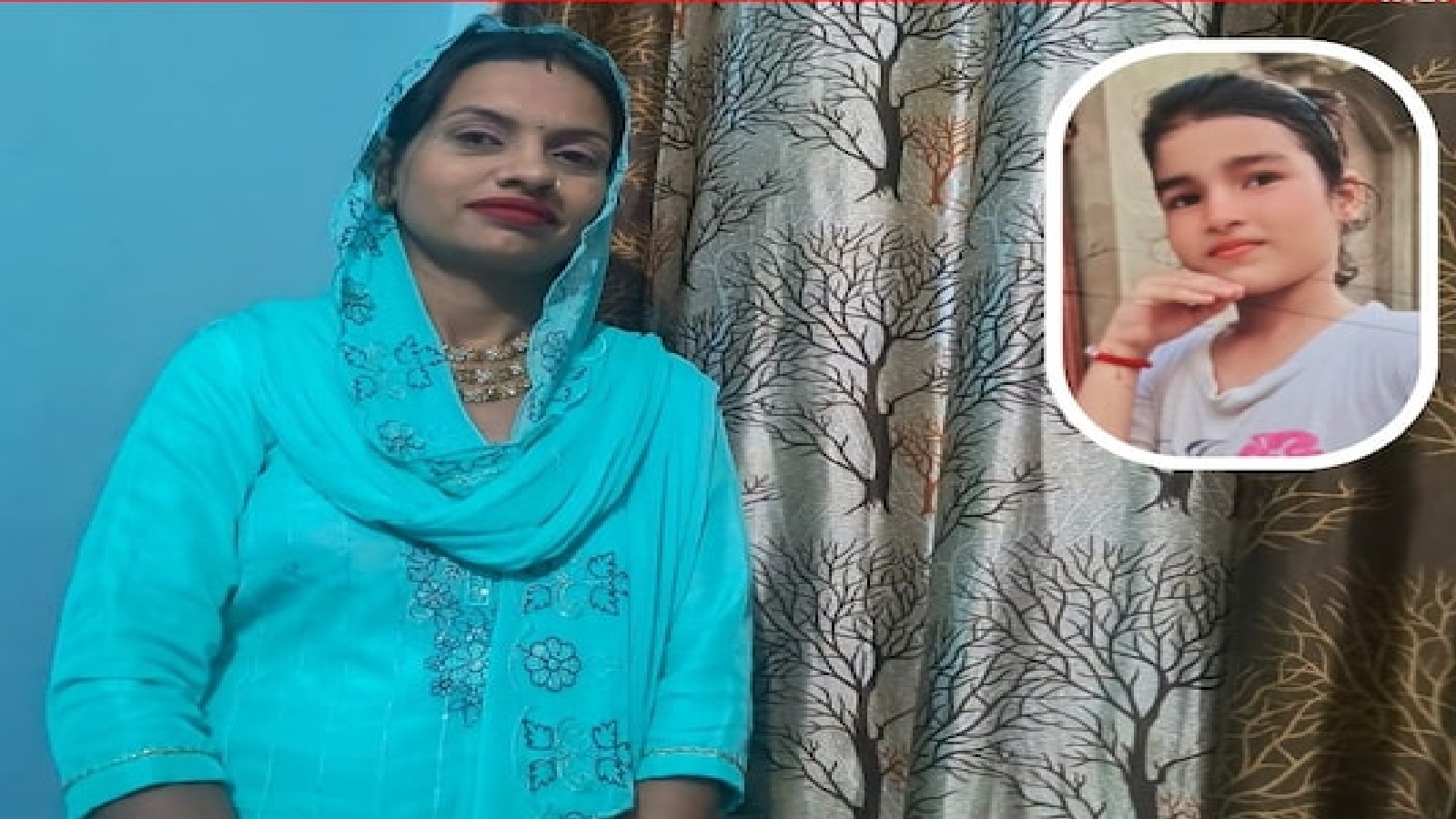
A Chilling Case Emerges
Haryana is grappling with a disturbing serial child-killing case centered on Poonam, whose alleged crimes span from 2021 to 2025. Investigators allege that what began as an apparent accident—a scalding of two-year-old niece Vidhi—escalated into a pattern of calculated murders driven by jealousy and a so-called “beauty complex.” Over four years, four children, including her own son, reportedly died under suspicious circumstances, often staged as accidents during family events.
From Scalding to Serial Drownings
Police records suggest Poonam first attacked Vidhi by pouring boiling tea on her face in 2021. The act was initially dismissed as a domestic mishap. In 2023, nine-year-old Ishika, a niece, was found drowned in a water tank. Soon after, Poonam’s four-year-old son Shubham allegedly suffered a similar fate, which she confessed was meant to divert suspicion from Ishika’s death. By 2025, two more children, including Vidhi again and eight-year-old Jia, were allegedly killed in similar drownings, with family members unaware of any foul play until Vidhi’s final death prompted police intervention.
Investigators describe Poonam’s motive as obsessive jealousy toward children perceived as “more beautiful” than herself, indicating possible underlying mental health issues. The killings combine calculated staging with familial trust to conceal repeated harm.
Familial Killings in Indian Context
While tragic, Poonam’s case is not without precedent. Familial mass killings in India are rare but recurring, often clustered around three themes: severe mental illness, perceived honour or stigma, and chronic relationship or economic stress. Most documented cases fall into two categories:
· Crisis-driven filicide–suicide: Parents, sometimes mentally ill, kill children and may attempt suicide. For example, in Mirzapur, a woman with mental illness killed her two sons and hanged herself. Courts sometimes downgrade charges when psychiatric disturbance is evident.
· Honour or stigma-related killings: Entire families have been killed over inter-caste relationships, debt, or perceived dishonour, though these are often treated as suicides rather than premeditated murders.
What sets Poonam’s alleged crimes apart is their temporal spread—spanning years rather than a single catastrophic event—and instrumental use of her own child to deflect suspicion, a pattern highly unusual in Indian case studies.
Legal Outcomes in Familicide Cases
Indian courts treat familicide on a spectrum. Mental health considerations often lead to reduced liability, while premeditated, brutal killings are punished severely.
· Mental illness or impaired intent: In Chhattisgarh, a woman who killed two daughters under delusions was downgraded from murder to culpable homicide and released after nearly ten years.
· Planned, brutal killings: In Uttar Pradesh and Lucknow, death sentences have been upheld or life imprisonment without remission imposed for murder of multiple family members over disputes or revenge, recognized as “rarest of rare.”
Courts balance intent, planning, brutality, and potential for reformation when deciding sentences. In Poonam’s case, prosecution will need to prove sustained planning and jealousy versus any mental health defence, shaping whether she faces life imprisonment, possibly without remission, or a lesser sentence acknowledging psychiatric factors.
Lessons and Legal Implications
The Haryana “beauty complex” case is an extreme manifestation of familial mass violence in India, blending obsessive jealousy, calculated deception, and systemic failures to identify early warning signs. While historically rare, it underscores recurring vulnerabilities: untreated mental health issues, weak scrutiny of domestic accidents, and cultural reluctance to suspect kin.
As the legal process unfolds, the outcome will hinge on proving intent, planning, and psychological state. Beyond sentencing, the case serves as a stark reminder of the need for vigilant forensic investigation and mental health interventions to prevent family tragedies from escalating behind closed doors.
(With agency inputs)