


Hong Kong’s Deadliest Fire
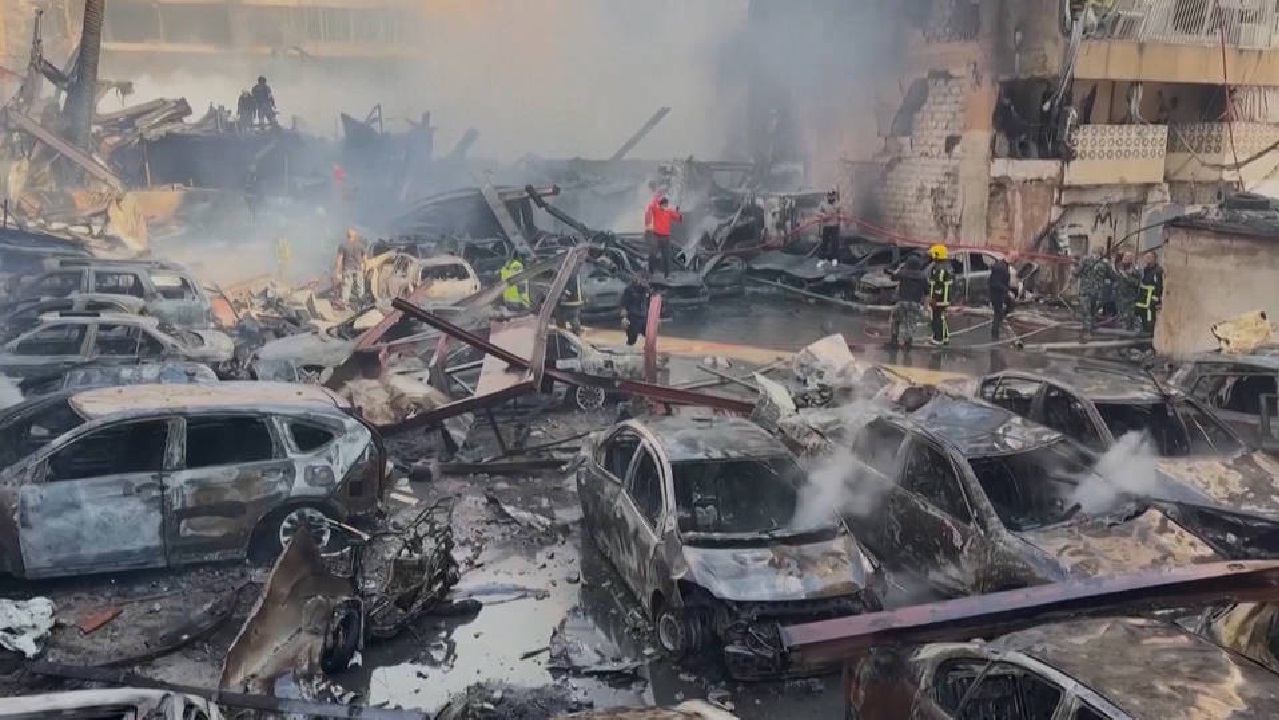
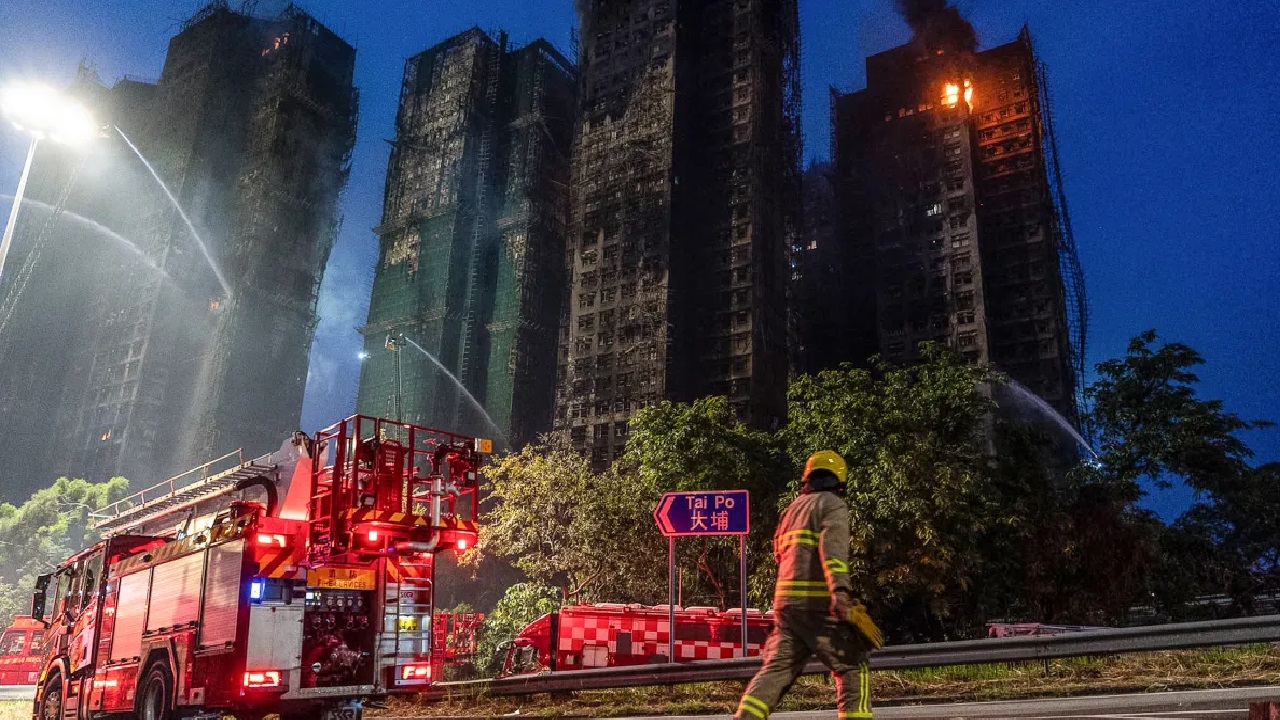
Hong Kong was thrust into mourning and shock on November 26, 2025, when a devastating blaze tore through the Wang Fuk Court residential complex in Tai Po. The fire, now recognized as the city’s deadliest since World War II, swept rapidly across multiple 31-story towers, claiming at least 94 lives and leaving nearly 300 residents unaccounted for. The inferno burned with such ferocity that flames burst out of windows and smoke blanketed the skyline for more than a day. By November 28, firefighters had largely subdued the blaze, but the transition to recovery exposed a grim landscape of collapsed structures and scorched interiors.
What Sparked the Disaster: Negligence and Hazardous Practices
Early investigative findings point to construction negligence as a central factor. Wang Fuk Court had been wrapped in bamboo scaffolding and green protective netting for ongoing renovation work—materials long used in Hong Kong but widely known for their flammability. As the fire ignited, these coverings created a chimney-like effect, channeling flames upward and across towers with alarming speed.
Police moved swiftly to arrest three executives from Prestige Construction and Engineering Company—two directors and an engineering consultant—on manslaughter charges. Officials cited “gross negligence” in the use of hazardous, non-compliant materials that violated basic fire-safety norms. The arrests signal not only individual accountability but growing recognition of systemic failures within the construction and maintenance sector.
Rescue Operations: Bravery Under Impossible Conditions
More than 500 firefighters battled the blaze at its peak, navigating collapsing hallways, blocked escape routes, and extreme heat. Eight towers were affected, with four completely engulfed. For the nearly 4,800 residents who lived in the complex, panic spread as alarms blared, stairwells filled with smoke, and exits became impassable.
Chief Executive John Lee declared a citywide emergency, triggering hospital mobilization, crisis-management task forces, and temporary shelters. At least 76 people were injured, including 11 firefighters. Meanwhile, efforts to account for the missing have been hampered by inaccessible units, extensive structural damage, and challenges in identifying remains. For many families, the agonizing wait continues.
Rising Public Anger: Demands for Answers
Public frustration has mounted as residents and experts alike question why combustible scaffolding and mesh continue to be widely used in densely populated high-rises. Many view the tragedy as preventable—a result of regulatory complacency, lax oversight, and a construction culture that prioritizes speed and cost over safety.
The fire has also resurfaced long-standing concerns about emergency preparedness in aging public housing estates, where upgrades have struggled to keep pace with population growth and infrastructure strain.
Safety Implications: A Turning Point for Regulation
The Wang Fuk Court blaze has intensified calls for reform. Fire-safety specialists argue that Hong Kong must update building codes to mandate flame-retardant materials, enforce stricter inspections during renovation, and modernize evacuation protocols in high-density housing. Beyond technical adjustments, legal experts anticipate that the Prestige Construction case may set new precedents for corporate liability in public-housing projects.
A Tragedy That Must Trigger Change
As Hong Kong grieves, the fire stands as a stark reminder of the consequences of overlooked risks and outdated practices. The path ahead will test the city’s capacity for accountability, reform, and compassion. If meaningful change follows—stronger regulations, safer construction practices, and renewed support for affected families—Hong Kong may yet transform its worst modern tragedy into a catalyst for lasting safety improvements and restored public trust.
(With agency inputs)