Ceasefire in Sight?
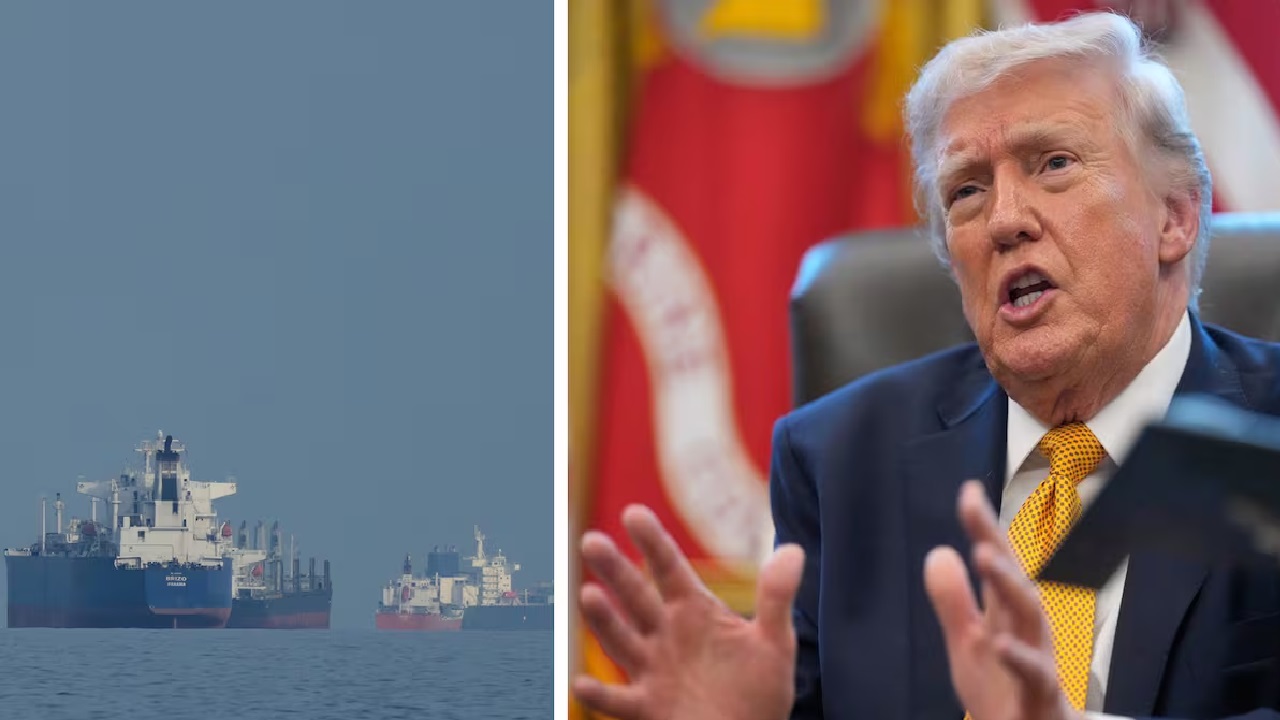
The long and bloody conflict in Gaza may be inching toward a breakthrough. On Saturday, Hamas declared it was prepared to “immediately” begin talks to resolve outstanding issues tied to U.S. President Donald Trump’s 20-point peace framework. The announcement marked a significant shift, breaking months of deadlock that have fueled devastation and despair in the enclave. For the first time in years, cautious optimism is rippling across diplomatic circles that the war, which has cost thousands of lives over two turbulent years, may finally see a pathway to resolution.
Trump’s plan envisions a phased process starting with the release of hostages held by Hamas in exchange for Palestinian prisoners detained in Israel. In return, the U.S. leader has pressed Israel to halt its relentless bombardment of Gaza—a demand that has already reshaped the political and military tempo in the region.
Israel’s Immediate Response
Within hours of Hamas’s declaration, Israeli Prime Minister Benjamin Netanyahu’s office confirmed readiness to activate the “first phase” of Trump’s proposal. According to the statement, Israel will coordinate closely with Washington to secure the safe release of all hostages. This alignment with U.S. leadership signals Netanyahu’s calculation that the Trump plan offers Israel both a strategic exit from an exhausting conflict and international legitimacy in handling the crisis.
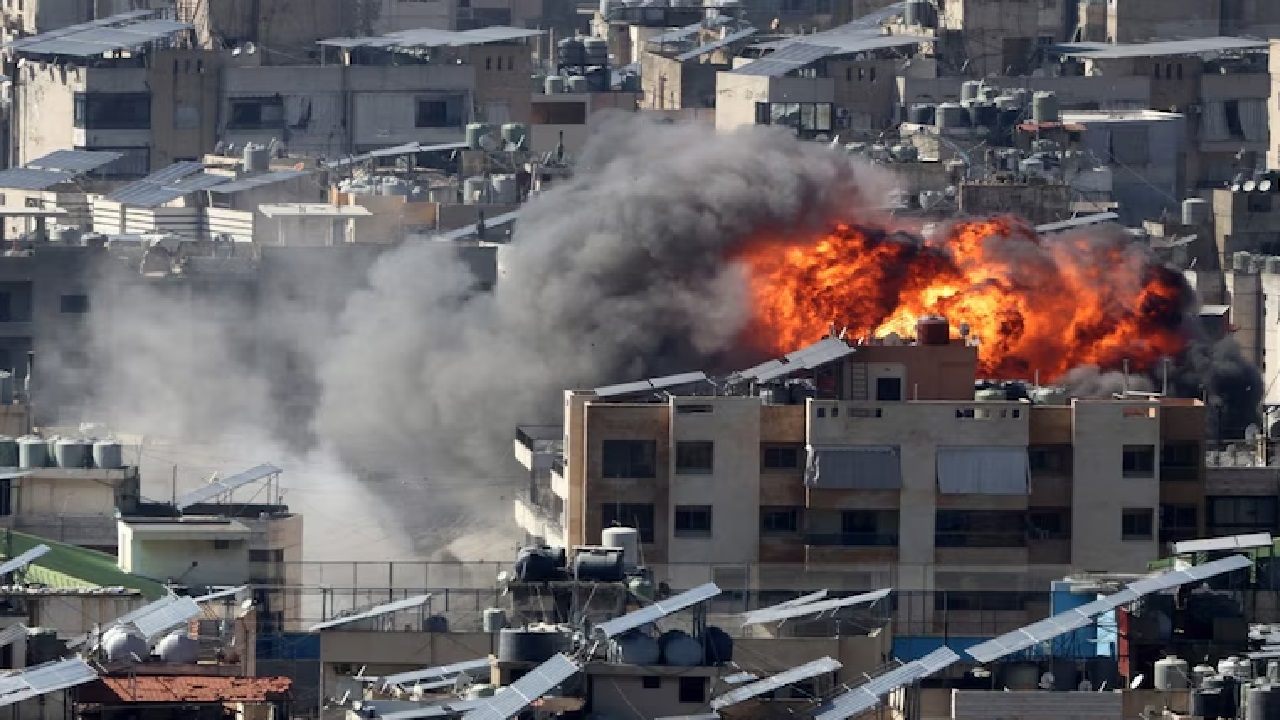
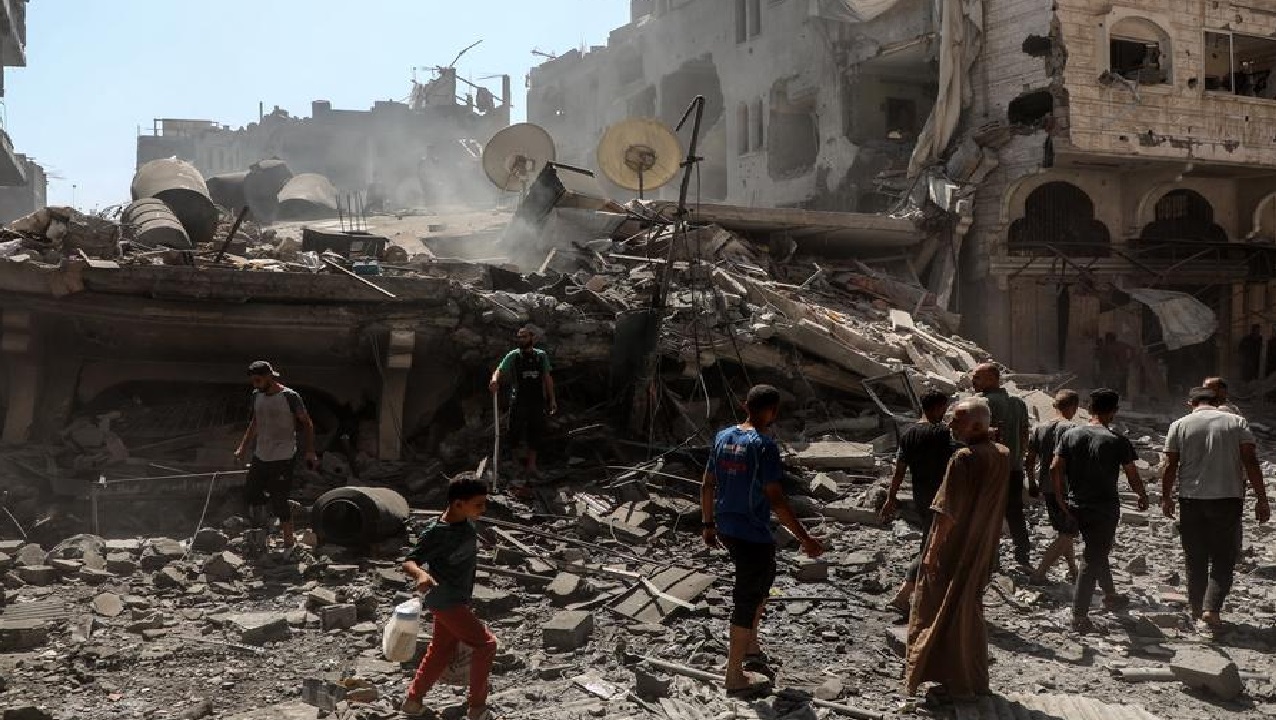
Yet the reality on the ground remains complex. Despite orders to scale back operations, Palestinian media reported continued Israeli strikes in Gaza, killing at least six people on Saturday. Air raids targeted residential areas in Gaza City and Khan Younis, reigniting fears that the ceasefire may collapse before it properly begins. The Israel Defense Forces (IDF), meanwhile, insisted its actions were part of broader directives to “eliminate threats” while preparing to implement the peace plan’s initial provisions.
Significance of Modi’s Endorsement
Amid these developments, Indian Prime Minister Narendra Modi’s strong endorsement of Trump’s efforts has added weight to the peace process. Calling the initiative “decisive progress,” Modi underscored that the prospect of hostage release represents a “significant step forward.”
In a region where global leaders often tread cautiously, Modi’s explicit support highlights India’s evolving role in West Asian diplomacy. He stressed that India backs “all efforts towards a durable and just peace,” positioning New Delhi not just as an observer but as a moral stakeholder in the process. Earlier in the week, Modi had already framed Trump’s plan as a “viable pathway” toward lasting stability, emphasizing security and development for both Palestinians and Israelis. His words amplify the international expectation that both parties seize the rare window of opportunity.
A Fragile Turning Point
History, however, offers sobering lessons. Previous ceasefires—whether mediated by Egypt, Qatar, or the United Nations—have frequently collapsed under the weight of mistrust, provocation, and shifting political calculations. The stakes today are even higher: Hamas’s willingness to negotiate signals an opening, but the continuation of Israeli strikes undercuts confidence in the truce.
Trump’s 20-point peace initiative, backed now by international leaders like Modi, may succeed only if both Hamas and Israel show restraint and engage sincerely in negotiations. The alternative is a familiar cycle of shattered ceasefires, renewed violence, and deepened grievances.
A Chance to Rewrite History
The Gaza conflict has long symbolized the futility of endless war. Hamas’s new openness and Israel’s tentative embrace of the Trump plan suggest that, for once, the trajectory may be shifting. Yet peace remains precarious. The world will be watching not just the exchange of hostages and prisoners, but also whether political courage can outlast the temptations of retaliation.
As Modi rightly emphasized, progress lies in transforming anxieties into hope. If this fragile process holds, the current moment could mark the beginning of a new chapter—one where Gaza’s skies are no longer defined by drones and fire, but by the possibility of peace.
(With agency inputs)