New developments signal a deepening crisis in the Iran war, with escalating military action, economic coercion, and leadership uncertainty converging to intensify instability across West Asia. What began as targeted strikes has now evolved into a multidimensional conflict affecting energy routes, global markets, and geopolitical alignments, raising concerns of a prolonged and far-reaching disruption.
Strait of Hormuz: Chokepoint Under Pressure
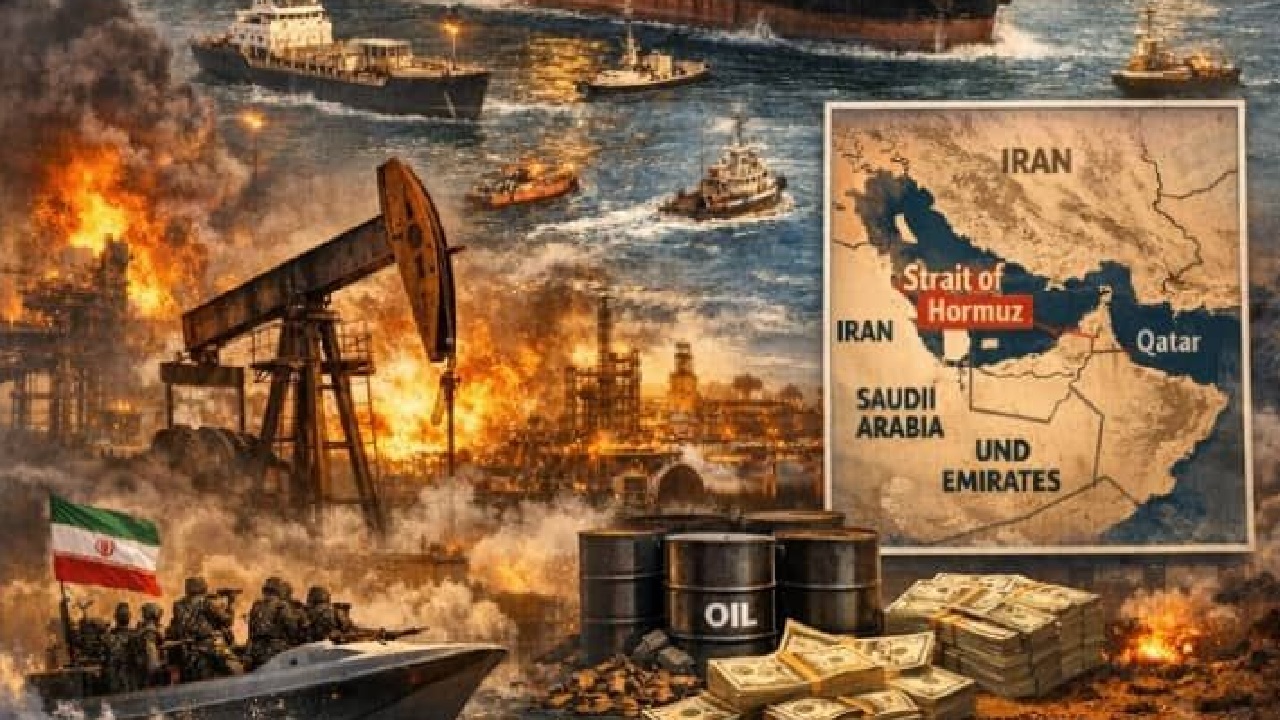
At the center of the crisis lies the Strait of Hormuz, a vital artery for global oil trade. Iran’s imposition of transit fees—reportedly reaching up to $2 million per vessel for safe passage—marks a significant escalation. While framed as a measure to regulate navigation and enhance safety, the move effectively introduces economic coercion into an already volatile corridor.
The implications are immediate and severe. Selective blockades, combined with rising insurance costs and military risks, have prompted major shipping and oil companies to suspend or reroute operations. Saudi Arabia’s decision to cut output at key oilfields and divert supplies through the Red Sea pipeline underscores the growing strain. With nearly a fifth of the world’s oil passing through Hormuz, Brent crude prices nearing $120 per barrel reflect mounting global anxiety.
Precision Strikes and Strategic Targeting
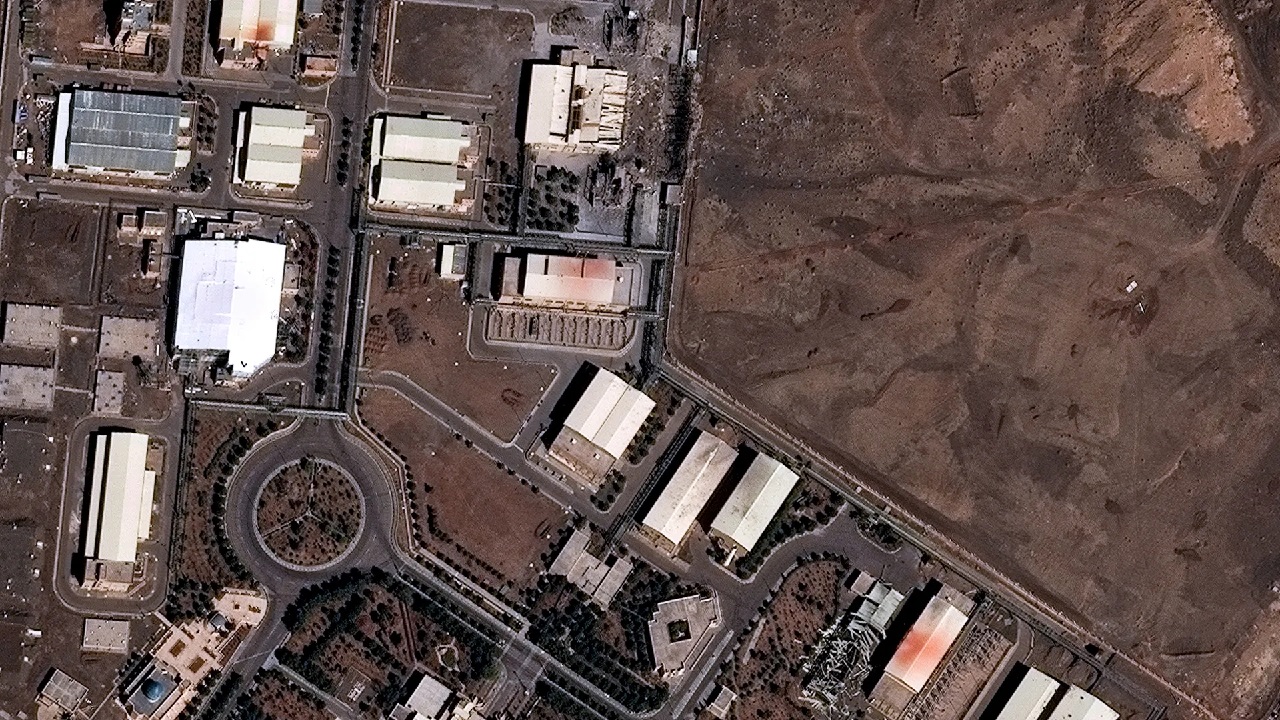
the United States has intensified its campaign with precision strikes on critical Iranian military infrastructure. Facilities linked to drone production, missile development, and advanced turbine systems have reportedly been severely damaged. These operations aim to degrade Iran’s offensive capabilities, particularly those tied to the Islamic Revolutionary Guard Corps (IRGC).
Such actions, however, signal more than tactical intent—they represent a broader effort to reshape the battlefield by targeting the backbone of Iran’s military-industrial network. While effective in the short term, these strikes risk provoking asymmetric responses that could widen the conflict.
IRGC Retaliation and Energy Warfare
Iran’s response has been swift and pointed. The IRGC has issued explicit warnings of retaliation, particularly targeting energy infrastructure across the region. By framing the conflict as “energy warfare,” Tehran is signaling its readiness to escalate beyond conventional military engagements.
Drone and missile strikes have already been launched against multiple regional targets, including Israel and neighboring states. The threat to “completely close” the Strait of Hormuz if attacks continue on Iranian infrastructure adds a dangerous dimension, potentially triggering a full-scale disruption of global energy flows.
Leadership Uncertainty in Tehran
Compounding the crisis is a growing leadership vacuum in Iran. Reports suggesting that Supreme Leader Mojtaba Khamenei is wounded and largely absent from public view have fueled speculation about internal instability. His limited communication and uncertain condition raise questions about command coherence at a critical juncture.
This ambiguity appears to be strengthening the influence of the IRGC, potentially shifting decision-making toward more hardline and militarized responses. The absence of clear leadership complicates diplomatic engagement and increases the risk of miscalculation.
Global and Indian Implications
The convergence of these factors—economic pressure in Hormuz, military escalation, and political uncertainty—has profound implications for global stability. Energy markets are under strain, supply chains face disruption, and inflationary pressures are mounting worldwide.
For India, the stakes are particularly high. As a major energy importer, it is actively negotiating safe passage for its tankers while accelerating diversification strategies. Government coordination mechanisms are being deployed to monitor supplies, manage risks, and prevent domestic shortages. However, a prolonged conflict could still strain fiscal balances and economic growth.
A Crisis Beyond the Battlefield
The Iran war is no longer confined to military exchanges; it has evolved into a complex contest over energy, economics, and influence. The Strait of Hormuz has become both a symbol and a lever of this war, with consequences that extend far beyond the region. As tensions deepen, the path forward hinges not only on military restraint but on coordinated global efforts to stabilize critical supply lines. Without de-escalation, the crisis risks reshaping the global economic order in ways that could endure long after the conflict subsides.
(With agency inputs)