A Call for Peace and Open Sea Lanes
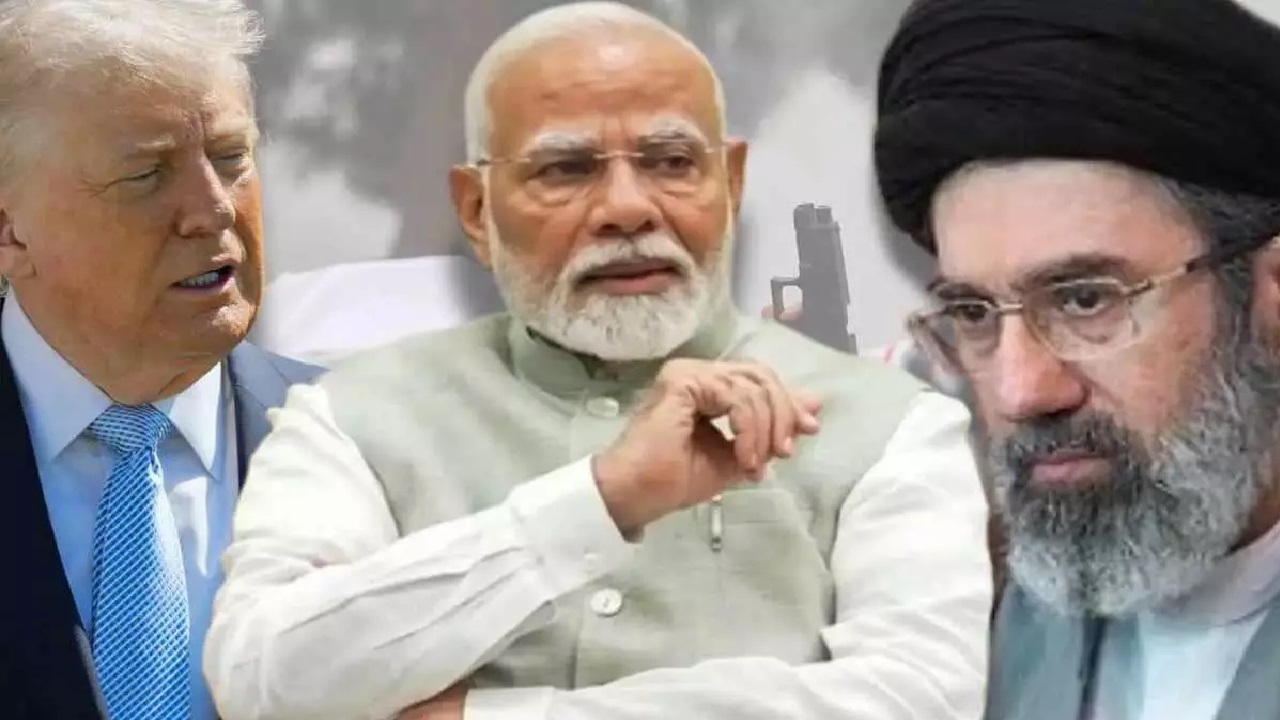
India has welcomed the US–Iran ceasefire, framing it as a crucial step toward restoring stability in West Asia while strongly advocating for lasting peace and uninterrupted global trade. Emphasising dialogue, de-escalation, and diplomacy, New Delhi has reiterated that the temporary truce must evolve into a sustainable resolution. Central to India’s response is the strategic importance of the Strait of Hormuz, a vital artery for global energy flows and commerce. By linking peace efforts with the need for unhindered maritime movement, India has underscored both its economic priorities and its broader geopolitical outlook.
Hormuz: The Lifeline of India’s Energy Security
India’s focus on the Strait of Hormuz is rooted in hard economic realities. With over 80 percent of its crude oil imported, a significant portion passing through this narrow chokepoint, any disruption directly impacts India’s energy security and fiscal stability. The recent conflict has already strained global supply chains and heightened volatility in oil markets, reinforcing the urgency of maintaining open sea routes.
In this context, India’s quiet diplomatic engagement with Iran to ensure safe passage for its vessels reflects a pragmatic approach. By securing assurances on navigation, New Delhi has not only safeguarded immediate trade interests but also strengthened its credibility as a balanced actor capable of engaging multiple stakeholders in a crisis.
A Delicate Balance: Diplomacy Without Alignment
India’s response to the ceasefire aligns with its long-standing diplomatic philosophy of strategic autonomy. Rather than aligning fully with any bloc, New Delhi has positioned itself as a proponent of dialogue and stability. Its messaging avoids adopting a binary narrative of the conflict, instead focusing on humanitarian concerns, regional stability, and economic continuity.
This approach allows India to maintain functional relationships with both the United States and Iran, while also engaging Gulf nations and European partners. By advocating for diplomacy over confrontation, India reinforces its image as a stabilising force in the region—one that prioritises cooperation over conflict.
Relief Tempered by Realism
While the ceasefire has been welcomed as a positive development, India’s response is marked by cautious optimism. The government has acknowledged the significant human and economic costs already incurred, signalling that the current truce is only a preliminary step. The emphasis on “lasting peace” reflects an understanding that a two-week pause does not resolve the underlying tensions.
India’s broader objective appears to be the establishment of a stable and predictable framework for maritime security in the region. Such a framework would ideally be supported by multiple global stakeholders, ensuring that key trade routes remain open without forcing India into rigid geopolitical alignments.
Strategic Interests Drive a Measured Response
India’s reaction to the US–Iran ceasefire highlights a careful blend of economic necessity and diplomatic strategy. By championing de-escalation and the free flow of trade through the Strait of Hormuz, New Delhi is protecting its core interests while contributing to broader regional stability.
However, the path ahead remains uncertain. The durability of the ceasefire and the evolution of negotiations will determine whether this moment leads to sustained peace or renewed tensions. For India, the priority will be to remain agile—leveraging diplomacy, safeguarding trade routes, and preserving its strategic autonomy in an increasingly complex geopolitical landscape.
(With agency input)