A Vacancy at the Helm
India’s Vice President’s office is officially vacant following the resignation of Jagdeep Dhankhar, who stepped down citing health concerns. After presiding over the opening day of the Monsoon Session in his capacity as Rajya Sabha Chairman, Dhankhar submitted his resignation on July 22, ending his tenure prematurely. The announcement has triggered the 17th Vice-Presidential election, now scheduled for September 9, 2025, setting the stage for political maneuvering and speculation over potential successors.
Dhankhar’s Resignation: Health Takes Priority
Dhankhar, 74, who assumed office in 2022, submitted a formal letter of resignation addressed to President Droupadi Murmu, citing the need to “prioritise healthcare and abide by medical advice.” His resignation became effective immediately, in accordance with Article 67(a) of the Constitution.
The Ministry of Home Affairs officially notified the vacancy the same day, and by constitutional mandate, the Election Commission of India (ECI) swiftly moved to organise the election within the required timeframe.
Election Timeline and Procedure
According to the notification issued by the ECI, the key dates for the Vice-Presidential election are:
· Issue of Notification: August 7, 2025 (Thursday)
· Last Date for Nominations: August 21, 2025 (Thursday)
· Scrutiny of Nominations: August 22, 2025 (Friday)
· Withdrawal Deadline: August 25, 2025 (Monday)
· Polling Date: September 9, 2025 (Tuesday)
· Counting of Votes: September 9, 2025 (Tuesday)
The new Vice President will serve a full five-year term from the date of taking office, as per constitutional provisions.
The election will be conducted under the Presidential and Vice-Presidential Elections Act, 1952, using a single transferable vote system. The electoral college for this election comprises all elected and nominated members of both the Lok Sabha and the Rajya Sabha. Voting is conducted by secret ballot, and members rank candidates in order of preference.
Eligibility Criteria: Who Can Contest
To be eligible for the office of Vice President, a candidate must:
· Be a citizen of India
· Be at least 35 years of age
· Be qualified for election as a member of the Rajya Sabha
· Not hold any office of profit under the central or state governments, or any local/subordinate authority
With the electoral college list now finalised, political parties are expected to begin the process of shortlisting and nominating their respective candidates in the coming weeks.
Speculation Rises: Who Could Be Next?
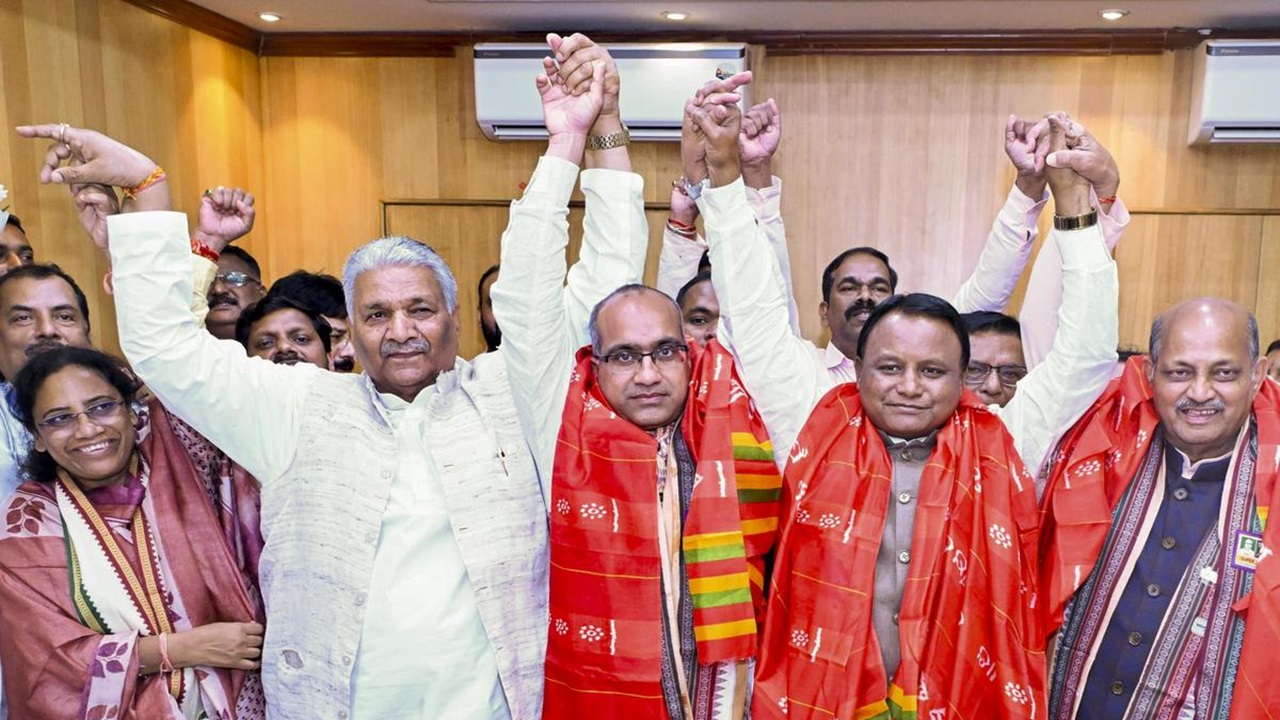
With Dhankhar’s sudden exit, speculation is rife on social media and political circles about who could be the next Vice President. While no official names have been announced, several potential frontrunners are making waves online.
So far, no confirmations have been made, but political parties are expected to reveal their nominees before the August 21 deadline.
The Road Ahead: Political Stakes Rise
The Vice-Presidential election, though less visible than the presidential race, holds significant political value. As the ex-officio Chairman of the Rajya Sabha, the Vice President plays a key role in maintaining the legislative balance, especially during periods of tight margins and heated debates.
With the general elections just four years away, the choice of Vice President could reflect the alliances and political positioning that parties are preparing for ahead of 2029.
A Nation Awaits a Successor
Jagdeep Dhankhar’s unexpected resignation has set in motion a high-stakes political event. As the September 9 election date approaches, the nation now watches closely for party strategies, surprise nominations, and a contest that could subtly shape the tone of India’s parliamentary politics in the years to come.
(With agency inputs)