Opening Salvo: A Strategic Signal Over Rajasthan
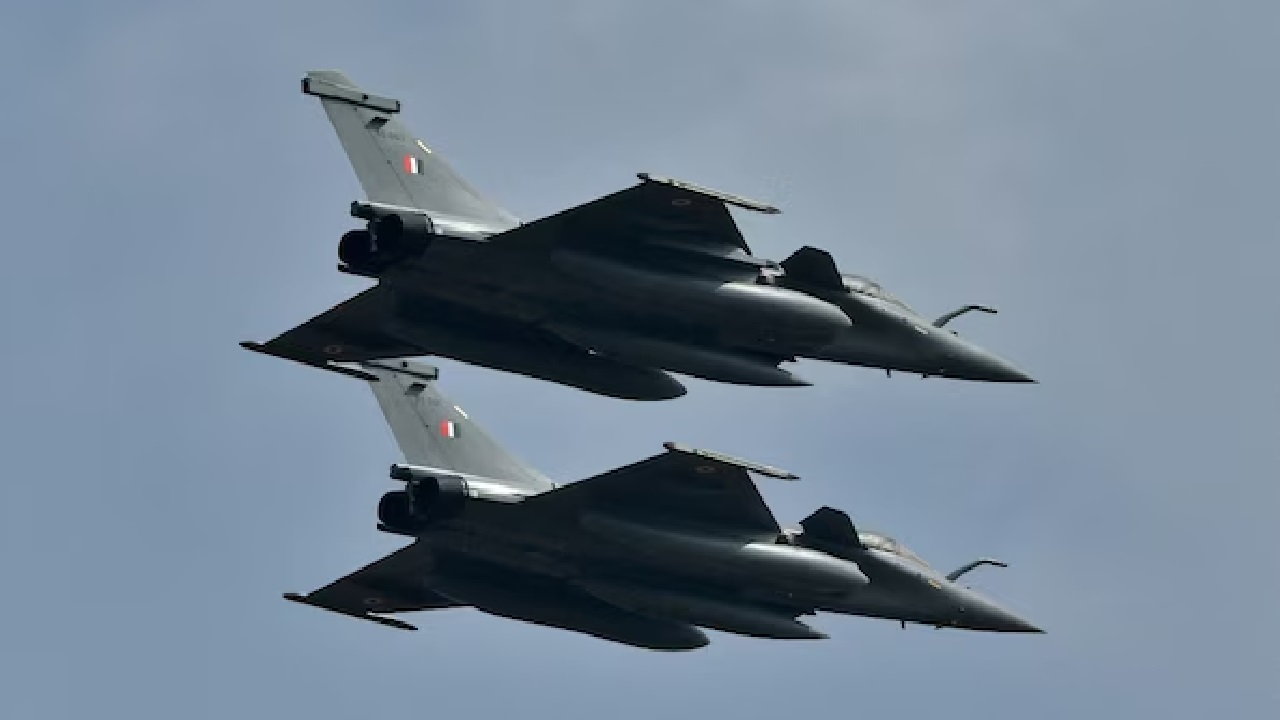
India has issued a Notice to Airmen (NOTAM) for a large-scale Indian Air Force (IAF) exercise along the Indo-Pakistan border in Rajasthan, scheduled for June 7–8. According to official notifications, the drill will commence at 3:30 p.m. on June 7 and conclude by 9:30 p.m. on June 8. Airspace over the region will be restricted to facilitate the extensive aerial maneuvers.
This exercise, involving premier combat aircraft such as Rafales, Mirage 2000s, and Sukhoi-30s, is part of the IAF’s ongoing efforts to test and enhance operational readiness. However, its timing—closely following heightened military and diplomatic friction with Pakistan—has drawn significant strategic attention.
Understanding NOTAM: More Than a Routine Notice
A NOTAM is an essential tool used by aviation authorities to alert pilots and air traffic controllers about temporary changes or hazards in airspace usage. These notices are critical for ensuring safety during military operations, test flights, or other aerial activities that may interfere with civil aviation routes.
In this case, the NOTAM does more than simply mark off a training zone. It signals a broader geopolitical posture. Given the backdrop of mutual airspace restrictions and border incidents, this alert acts as both a safety precaution and a message of military preparedness.
Context and Calculus: A Region on Edge
The drill comes days after India and Pakistan imposed reciprocal restrictions on each other’s airspace. India closed its skies to Pakistani-registered and military aircraft from April 30 to May 23, a retaliatory move following Pakistan’s earlier ban on Indian flights.
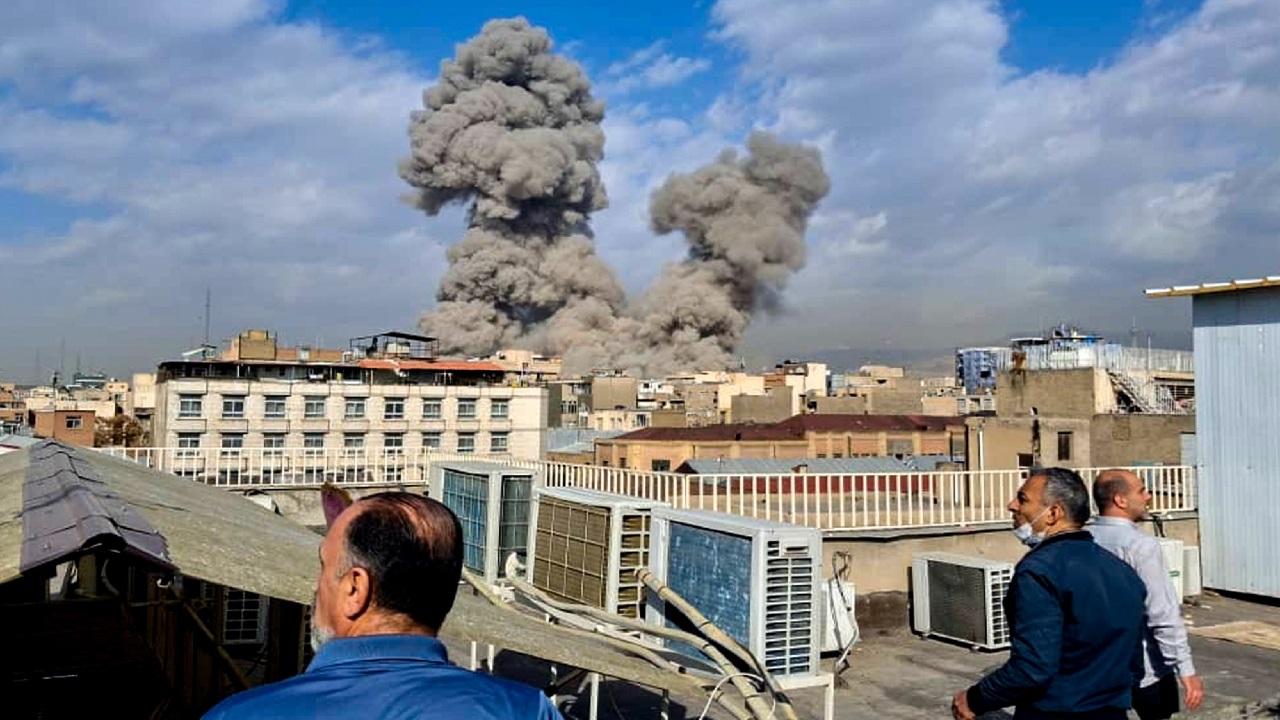
This escalation was precipitated by a deadly cross-border terror attack in Pahalgam, reigniting tensions across the Line of Control (LoC). Since then, both sides have ramped up military deployments and surveillance. Indian forces have launched precision strikes in retaliation for ceasefire violations in sectors like Naushera and Baramulla. Pakistani troops, in a rare development, were reported to have withdrawn from several forward posts—an indication, some analysts argue, of waning morale or strategic recalibration.
Pakistan’s decision to temporarily enforce a No-Fly Zone over Islamabad and Lahore until May 2 further underscores the precarious atmosphere. Ostensibly a defensive measure, the move reveals growing unease about potential Indian military responses.
Strategic Implications: Preparedness or Projection?
Though the Indian Ministry of Defence has not directly linked the air exercise to these developments, the overlap in timing and location is unlikely to be coincidental. Large-scale military drills near a volatile frontier serve dual purposes: ensuring combat readiness and projecting resolve.
As both nuclear-armed neighbors remain on high alert, such displays—though routine in form—carry heavy symbolic weight. They can serve to deter further provocations, reassure domestic audiences, or apply pressure in backchannel diplomacy.
A Call for Caution Amid Readiness
While military preparedness is essential, the region teeters on the edge of potential escalation. Strategic drills like this one, framed within a broader context of retaliation, diplomatic strain, and mutual suspicion, highlight the urgency of sustained dialogue.
As history has repeatedly shown, in a conflict-prone environment like South Asia, a single misstep—whether by intent or miscalculation—can spiral rapidly. Both nations must balance vigilance with restraint, ensuring that operational readiness does not become a prelude to open conflict.
(With agency inputs)