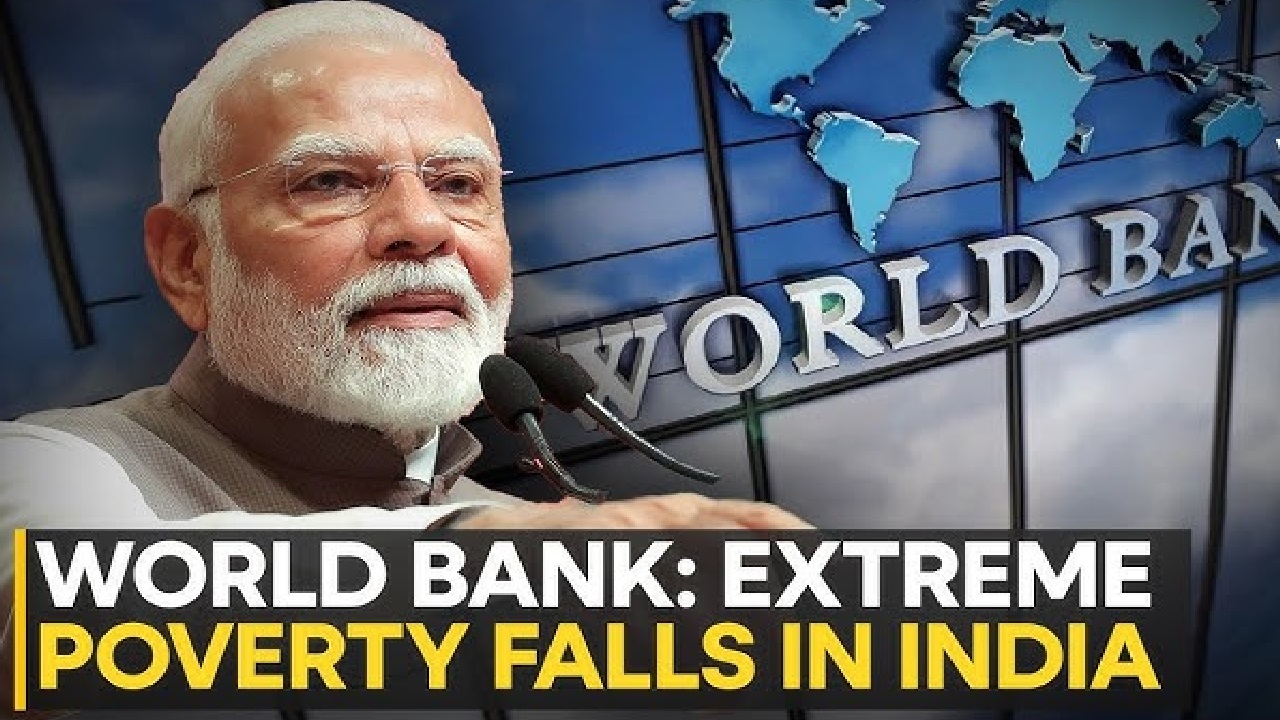
India’s Remarkable Poverty Decline Recognized by World Bank
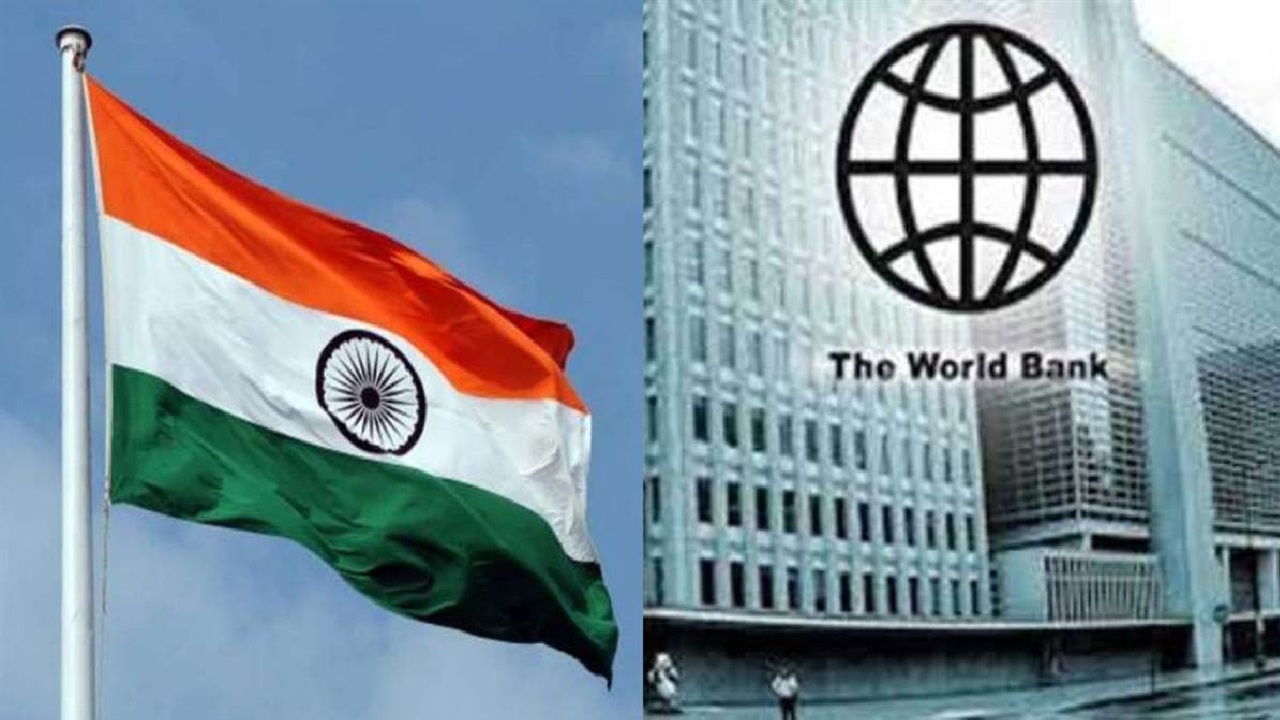
According to the latest World Bank report, India has made extraordinary strides in eradicating extreme poverty, with 269 million people moving above the poverty line between 2011-12 and 2022-23. This transformation—one of the largest poverty reductions in recorded history—has seen extreme poverty rates fall from 27.1% to just 5.3% in barely a decade.
The World Bank’s assessment is based on international poverty thresholds, particularly the $3.00 per day (2021 prices) standard. The decline underscores not just statistical change, but tangible improvements in the living standards and economic empowerment of millions of Indians.
What the Numbers Say—And Why They Matter
The data speaks volumes. In 2011-12, nearly 344 million Indians lived in extreme poverty. By 2022-23, that number had dropped to just over 75 million. That means nearly eight out of every ten people once living in poverty have now crossed the threshold.
When measured against an older poverty threshold of $2.15/day (2017 prices), the figures are equally encouraging. The poverty rate dropped from 16.2% to 2.3%, with around 172 million people exiting poverty under that metric.
The World Bank report also acknowledges a nationwide shift, noting particularly strong improvements in five key states: Uttar Pradesh, Bihar, Maharashtra, West Bengal, and Madhya Pradesh. These states, once accounting for 65% of India’s poorest, are now responsible for two-thirds of the poverty reduction. This geographic shift highlights the impact of focused regional development and improved social welfare delivery.
Rural and Urban India See Shared Progress
The decline in poverty wasn’t isolated to urban centers or specific sectors. The World Bank notes a balanced reduction across rural and urban India.
· Rural extreme poverty dropped from 18.4% to 2.8%
· Urban extreme poverty fell from 10.7% to just 1.1%
This dual success points to the inclusive nature of development in recent years, where targeted welfare programs, rural infrastructure development, and agricultural reforms played a pivotal role in bridging the economic divide.
From Housing to Healthcare—Schemes That Delivered
The report credits India’s poverty decline to sustained governance reforms, broad-based economic inclusion, and flagship social welfare schemes. According to Prime Minister Narendra Modi, this achievement is the outcome of a “holistic and mission-driven approach” that prioritized the poor through both direct support and structural transformation.
Key initiatives include:
· PM Awas Yojana – provided millions with housing
· Ujjwala Yojana – delivered clean cooking gas to households
· Jan Dhan Yojana – brought over 500 million people into the banking system
· Ayushman Bharat – extended free healthcare to the underprivileged
· Direct Benefit Transfer (DBT) – ensured leak-proof subsidy delivery
· Digital India and rural connectivity programs – enhanced economic access and transparency
Together, these schemes created a socioeconomic safety net that helped lift millions out of hardship and into opportunity.
Multidimensional Poverty Also on the Decline
Beyond income-based metrics, India has also made substantial progress in reducing multidimensional poverty—which considers access to education, healthcare, sanitation, and living standards. The percentage of people living in such conditions has dropped from 53.8% in 2005-06 to just 15.5% in 2022-23.
This deeper form of poverty reduction suggests more than just economic survival—it reflects quality-of-life improvements, which are essential for long-term human development.
A Transformational Decade with More Work Ahead
India’s historic poverty reduction stands as a global benchmark in developmental progress. With 269 million people moving out of extreme poverty in just over a decade, the nation has proven that policy-driven governance, inclusive welfare, and digital empowerment can create measurable change.
Yet, as the World Bank emphasizes, the journey isn’t over. Sustaining this progress in the face of global economic uncertainty, climate challenges, and social disparities will require continued innovation, investment, and inclusion. Still, this moment marks a milestone of hope and momentum—a powerful indicator that a poverty-free India is not just a dream, but a fast-approaching reality.
(With agency inputs)