India on Alert; Hospitals Face Nationwide Preparedness Drill
A Resurgence in the Shadows
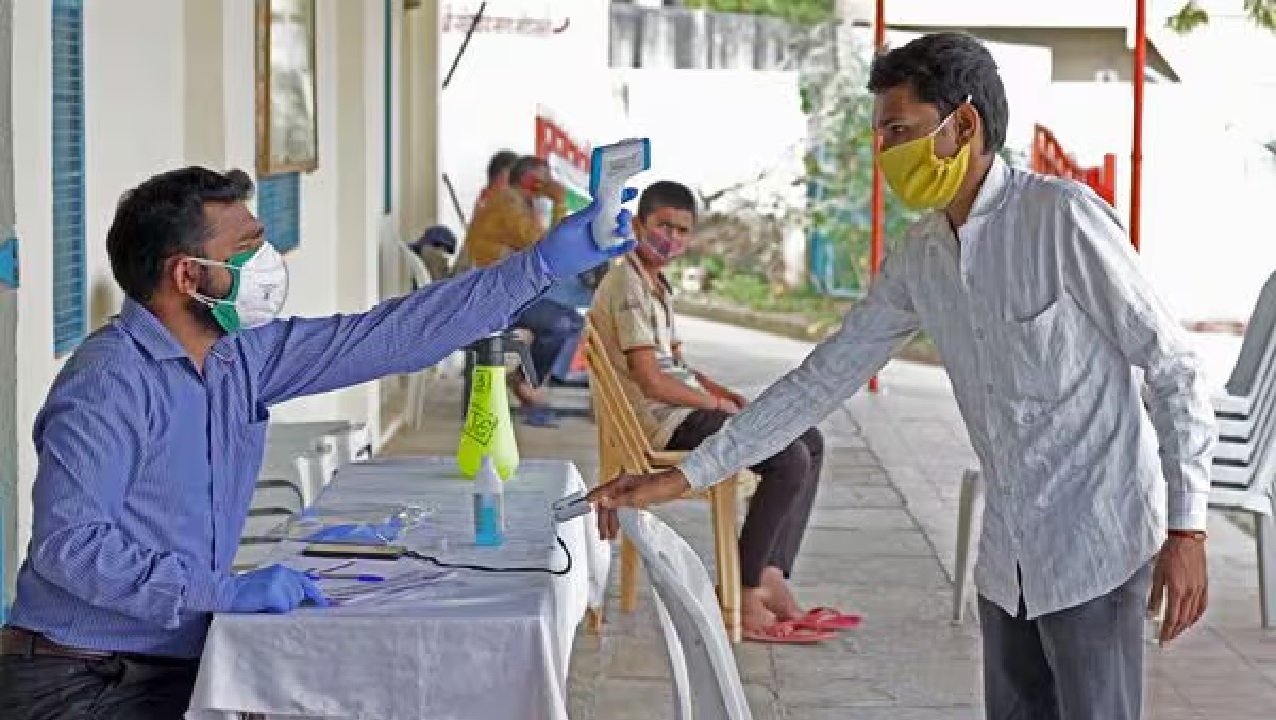
Active Covid cases have crossed the 4,000-mark, as per data provided by the Ministry of Health and Family Welfare. With growing concerns about a potential resurgence of Covid-19, the central government has stepped up its efforts to ensure healthcare readiness. On Thursday, hospitals across India are participating in facility-level mock drills to assess their preparedness in dealing with a possible new wave. These drills are being carried out amidst a steady increase in reported cases and fatalities, prompting urgent action at both central and state levels.
The Return of Covid: Entry and Underlying Causes
Covid-19 first gripped India in early 2020, sweeping across the country in successive waves that strained healthcare systems and disrupted lives. Though vaccination campaigns and public health interventions brought much of the crisis under control, the virus never truly disappeared. A key reason for the current spike appears to be the emergence of new subvariants, particularly JN.1 and its descendant lineages LF.7 and NB.1.8. These variants, while not proven to be more virulent or severe, are contributing to the rise in caseloads. International data, particularly from Singapore, shows these subvariants forming a majority of sequenced infections in recent weeks.
Body: India’s Response to Rising Cases
On Wednesday, India reported 276 new Covid-19 cases and seven deaths within 24 hours, taking the official death toll in this wave to 44. Maharashtra reported the highest fatalities (four), followed by one each in Tamil Nadu, Delhi, and Gujarat. Given the growing numbers, the government has instructed all states and Union territories to ensure the availability of oxygen, isolation beds, ventilators, and essential medicines.
In response, the Ministry of Health has launched a comprehensive preparedness campaign. A series of technical review meetings were held on June 2 and 3 under the chairpersonship of Director General of Health Services (DGHS), Dr. Sunita Sharma. These meetings involved key bodies like the National Centre for Disease Control (NCDC), Indian Council of Medical Research (ICMR), and representatives from central government hospitals and state health departments.
The mock drills currently underway are focused on stress-testing critical healthcare infrastructure, including oxygen supply systems (such as PSA plants and LMO tanks), Medical Gas Pipeline Systems (MGPS), and intensive care capacity. An earlier drill on June 2 had already reviewed oxygen system readiness, and Thursday’s nationwide effort seeks to build on that foundation.
A Measured Yet Vigilant Stance
While the recent surge is not yet on the scale of previous waves, the government’s proactive approach suggests a recognition of the virus’s unpredictable behavior. With new subvariants in play, even without an increase in severity, the risk of healthcare overload remains. The nationwide drills reflect a pragmatic strategy: prepare comprehensively, respond swiftly, and communicate transparently. In this phase of the pandemic, complacency is not an option — and preparedness remains our strongest defense.
(With agency inputs)