Farmers Shift Toward Wheat Ahead of Rabi Season
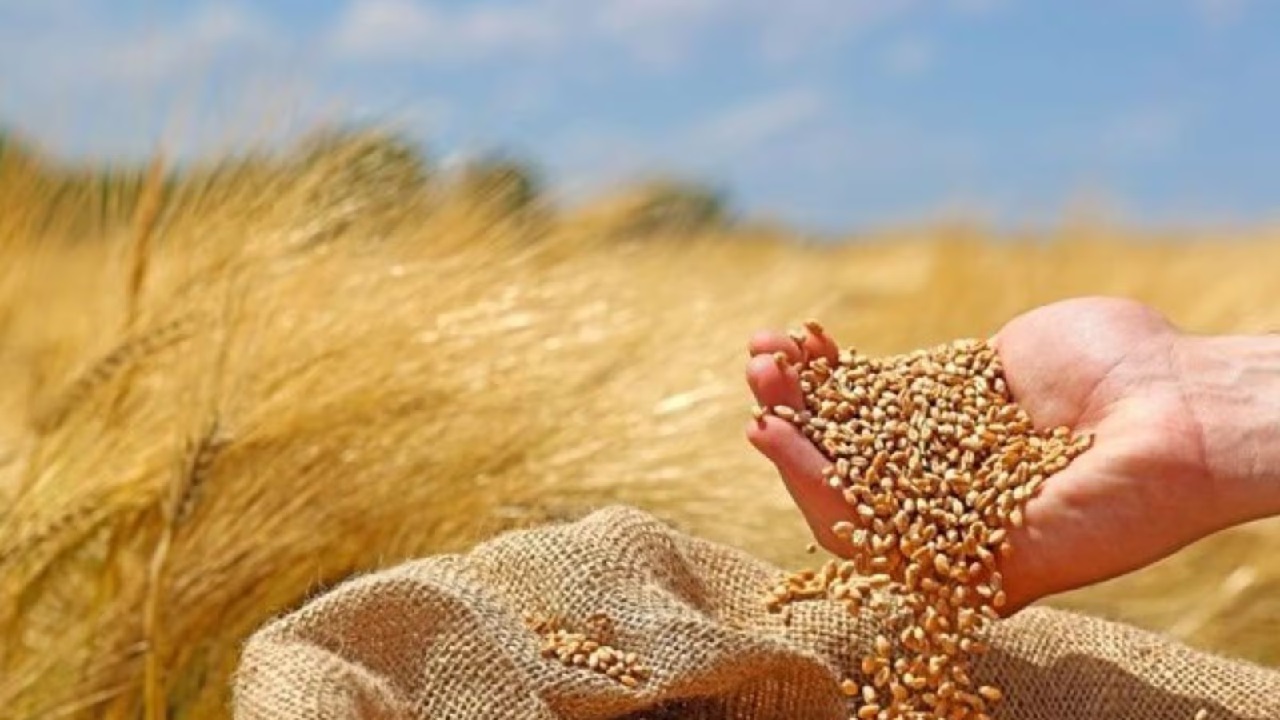
India’s wheat farmers are expected to expand acreage by nearly 5% in the upcoming Rabi season—reaching an all-time high—driven by strong market returns and unexpected October rains that boosted soil moisture. This shift marks a decisive move away from rainfed crops and toward a more profitable, moisture-supported wheat crop. With wider sowing and favorable weather, India is now poised for a bumper wheat harvest that could ease domestic price pressures and potentially revive limited wheat flour exports, with implications for global markets.
A Strategic Agricultural Pivot
India, the world’s second-largest wheat producer, is witnessing a notable recalibration in agricultural priorities as farmers respond to a combination of economic signals and climatic opportunity. Strong wheat prices through the year and well-timed rainfall have reset expectations for the upcoming harvest. As acreage expands across major wheat-producing states, the Rabi season is shaping up to be a critical one for India’s food security, inflation management, and export potential.
Drivers Behind the Rising Acreage
Two pivotal factors are influencing this shift:
1. Higher Profit Margins
Wheat prices have remained elevated over the past year, making the crop more lucrative compared to traditional rainfed alternatives. Farmers, responding to this profitability, are allocating larger tracts of land to wheat.
2. Improved Soil Moisture from Unseasonal Rains
October’s unexpected rainfall delivered a timely boost to soil moisture, especially in states like Uttar Pradesh and Madhya Pradesh. This has encouraged farmers to pivot toward wheat, which thrives with good moisture during sowing. Uttar Pradesh has seen acreage expand by roughly 6%, while Madhya Pradesh has recorded an impressive 14% surge.
These shifts highlight not only favorable agro-economic conditions but also farmers’ swift adaptability to weather patterns and market signals.
Record Production on the Horizon
The government’s current projection for 2025 wheat production stands at approximately 117.5 million metric tons, surpassing last year’s 113.3 million tons. With increased acreage, wider adoption of high-yield varieties, and improved farming practices, India is poised to set a new output record.
This productivity boost comes despite intermittent climate risks, demonstrating the sector’s resilience. Wheat gains also support broader foodgrain expansion, contributing to an estimated 354 million tons of total output—another record high driven by strong rice and wheat yields.
Implications for Domestic Prices and Export Policy
A larger wheat harvest is expected to reduce supply tightness, helping stabilize domestic prices that have remained volatile despite government market interventions. The Food Corporation of India (FCI) has been releasing stocks to manage inflation, yet private inventories remain low.
A strong harvest could allow India to cautiously relax its wheat and wheat-flour export restrictions imposed in 2022 during a heat-driven shortfall. Even limited export resumption would influence global markets, currently strained by geopolitical conflicts and supply disruptions. India’s re-entry could temper global price surges and shift trade balances.
Future Outlook and Key Challenges
Despite an optimistic outlook, risks remain. Climate unpredictability—heat waves, drought, or erratic rain—continues to threaten yields. Sustained acreage growth will depend on stable market incentives, stronger irrigation systems, and robust pest-management mechanisms.
Still, the expansion aligns with national goals of boosting farmer incomes and ensuring foodgrain self-sufficiency. It also positions India as an increasingly significant player in global wheat trade.
A Pivotal Season for India’s Wheat Economy
India’s record-setting wheat acreage expansion reflects a convergence of strong prices, favorable weather, and strategic farmer decisions. The expected bumper harvest may ease domestic inflation, rebuild stocks, and reopen export channels—strengthening India’s agricultural economy and its role in global food supply. As the country enters its largest-ever wheat planting season, this shift carries meaningful implications for rural livelihoods, national food security, and international trade dynamics.
(With agency inputs)