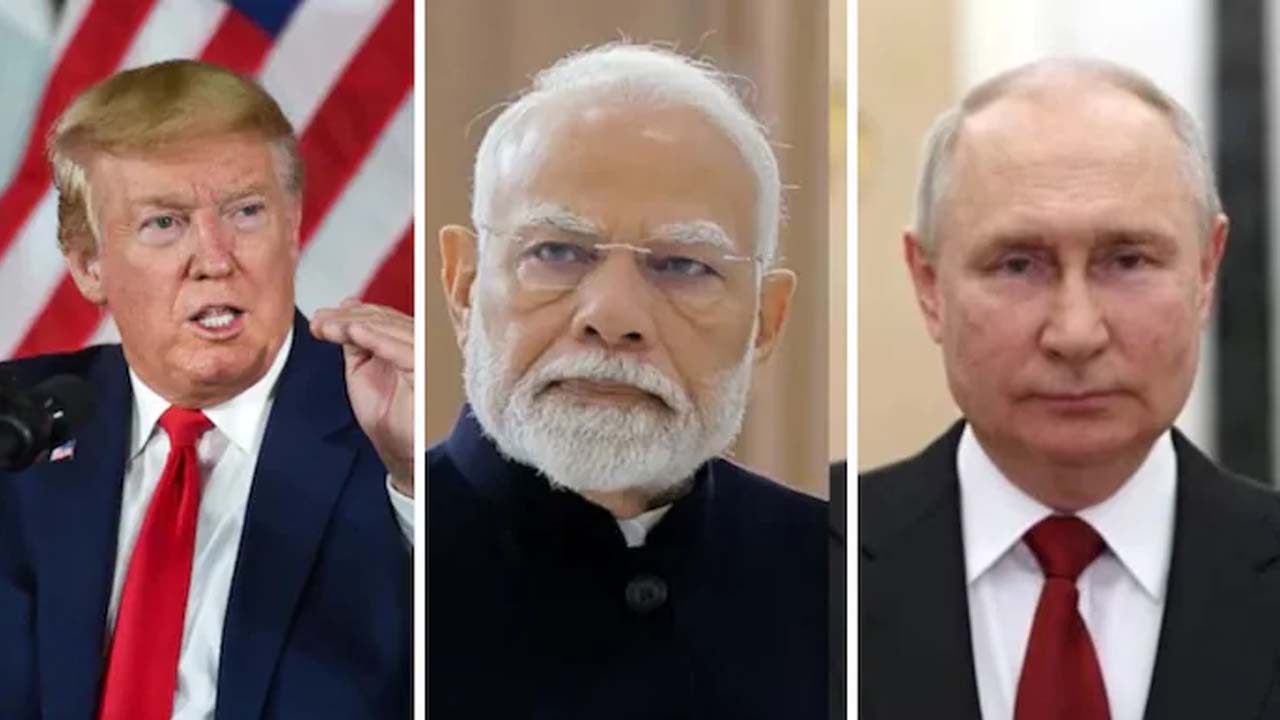
Oil, Geopolitics, and Rising Tensions
India’s increasing oil imports from Russia have drawn consistent criticism from the United States and European Union, especially since the onset of the Ukraine conflict. As global alliances harden and energy dynamics shift, New Delhi’s independent approach to securing affordable energy has not gone unnoticed—and not without rebuke. Meanwhile, US President Donald Trump’s proposed tariffs and a tightening global order have further complicated trade relations. Despite this, India continues to assert its right to prioritize economic stability and energy security, and has now officially pushed back against Western scrutiny.
India’s Stand: National Interest Drives Energy Choices
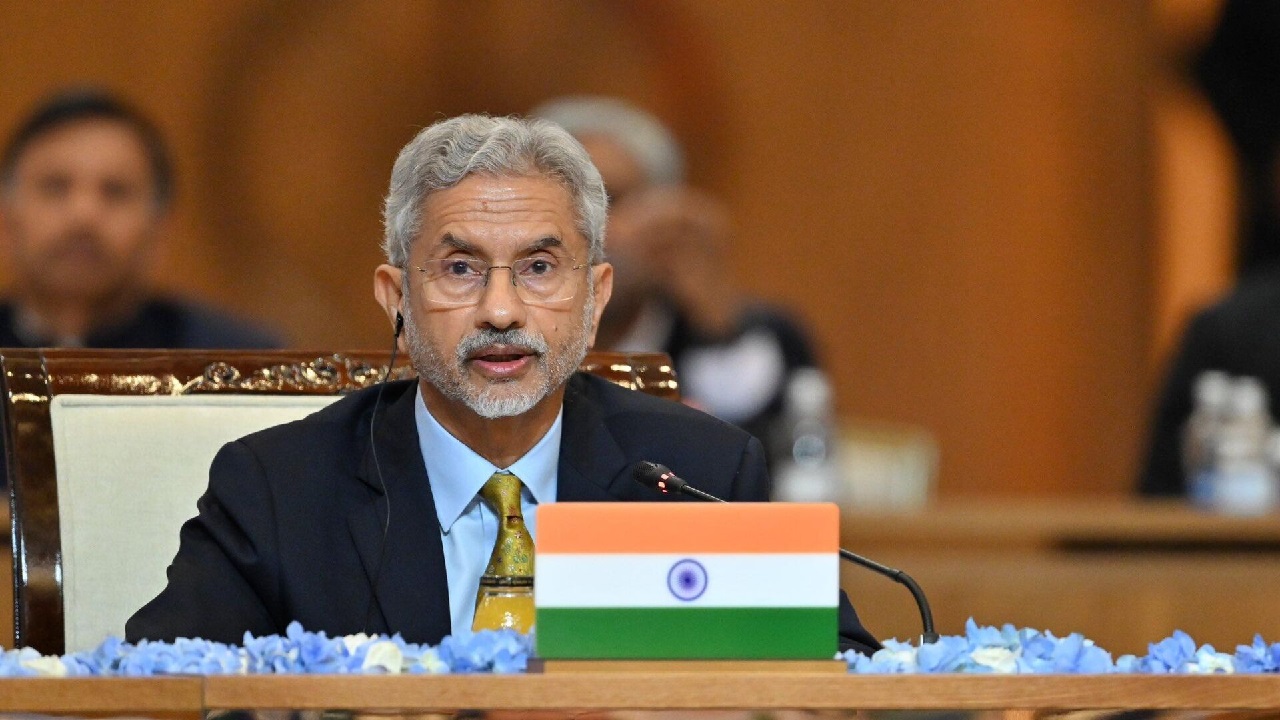
On Monday, the Ministry of External Affairs (MEA) robustly defended India’s Russian oil imports, calling out the West’s criticism as “unreasonable and unfair.” The ministry clarified that India’s energy dealings with Moscow are not political postures, but rather a strategic necessity aimed at protecting domestic consumers from volatile global prices.
“India turned to Russian oil,” the MEA noted, “because traditional suppliers began redirecting shipments to Europe after the Ukraine conflict erupted.” Ironically, at the time, the United States had encouraged India’s move, recognizing the stabilizing effect it would have on global energy markets.
A Case of Double Standards?
India’s foreign ministry has also accused the West—particularly the EU and US—of hypocrisy, pointing out that their own trade with Russia has continued across several sectors.
According to MEA data:
· The European Union’s goods trade with Russia reached €67.5 billion in 2024.
· Services trade between the EU and Russia stood at €17.2 billion in 2023.
· Europe’s LNG (Liquefied Natural Gas) imports from Russia hit a record 16.5 million tonnes in 2024, exceeding its 2022 peak.
These figures include energy, but also span fertilizers, industrial chemicals, mining products, machinery, iron and steel, and other strategic sectors.
In the United States, trade also continues despite sanctions rhetoric. Washington has maintained imports of Russian uranium hexafluoride for its nuclear reactors, palladium for electric vehicle manufacturing, along with fertilizers and essential chemicals.
India’s Position: Defending Economic Sovereignty
Given this backdrop, India views the Western targeting of its Russian oil imports as selective and hypocritical. “Unlike in India’s case,” said the MEA, “Western trade with Russia is not driven by essential national need, but economic expediency.”
India reiterated that its oil purchases are not meant to challenge global alliances but to ensure uninterrupted and cost-effective energy for its 1.4 billion citizens. As a growing economy, it emphasized the right to make independent decisions that best serve its development goals and strategic interests.
What’s Next: A Balancing Act in a Fractured World
As geopolitical tensions intensify, India is likely to continue pursuing a multi-aligned strategy—engaging with diverse partners while remaining non-aligned in conflicts like the Ukraine war. This approach has allowed it to maintain energy security without compromising its diplomatic flexibility.
At the same time, as the global order becomes more polarized, India’s independent voice—especially on energy sovereignty—is set to grow louder. With the Western bloc struggling to justify its own trade entanglements with Russia, India’s defense of its policy is a strategic reminder that major economies will always act in their national interest, regardless of geopolitical optics.
In the words of the MEA,
“India will take all necessary steps to safeguard its national interests and economic security—just as any other sovereign nation would.”
(With agency inputs)