A Landmark Visit Amid Shifting Equations
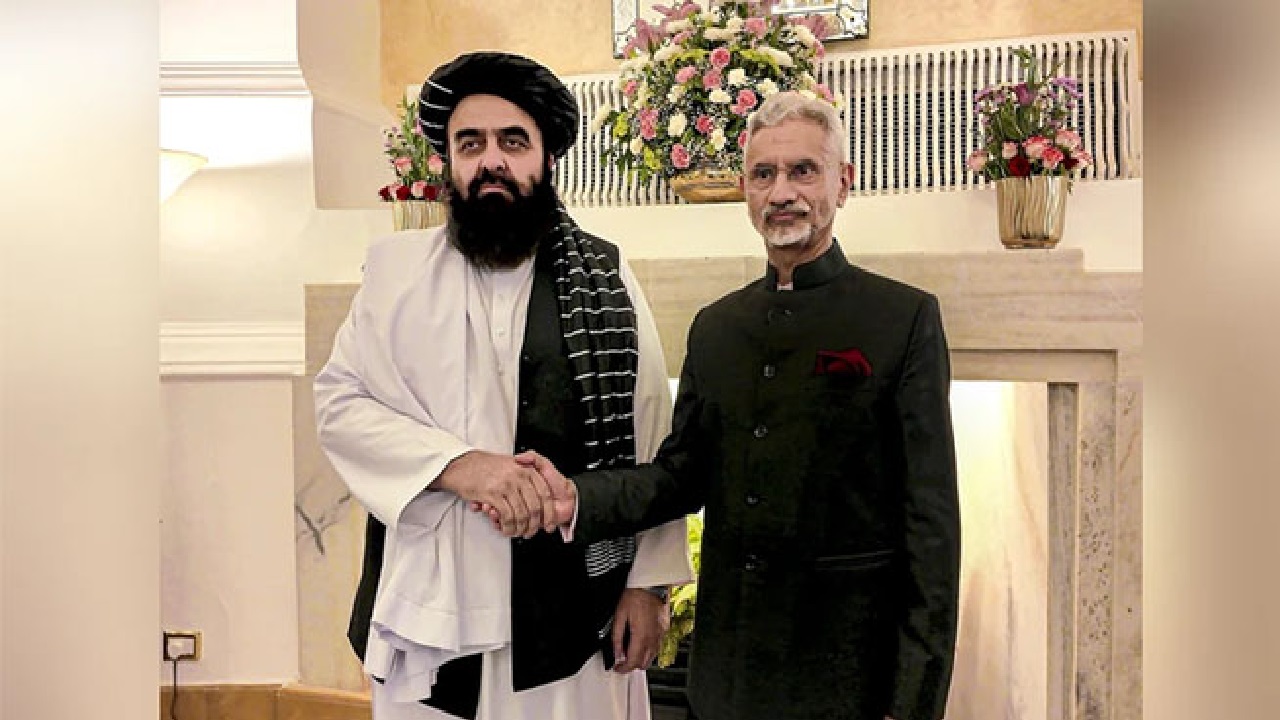
In a development that could redefine India’s approach toward Afghanistan, Taliban Foreign Minister Amir Khan Muttaqi arrived in New Delhi for his first-ever official visit, marking a new phase in bilateral engagement. The visit comes at a time when the global community continues to debate recognition and engagement with the Taliban regime. For India, the meeting signaled cautious pragmatism — a willingness to reopen channels of dialogue and cooperation with Kabul without compromising on its core principles of sovereignty, security, and regional stability.
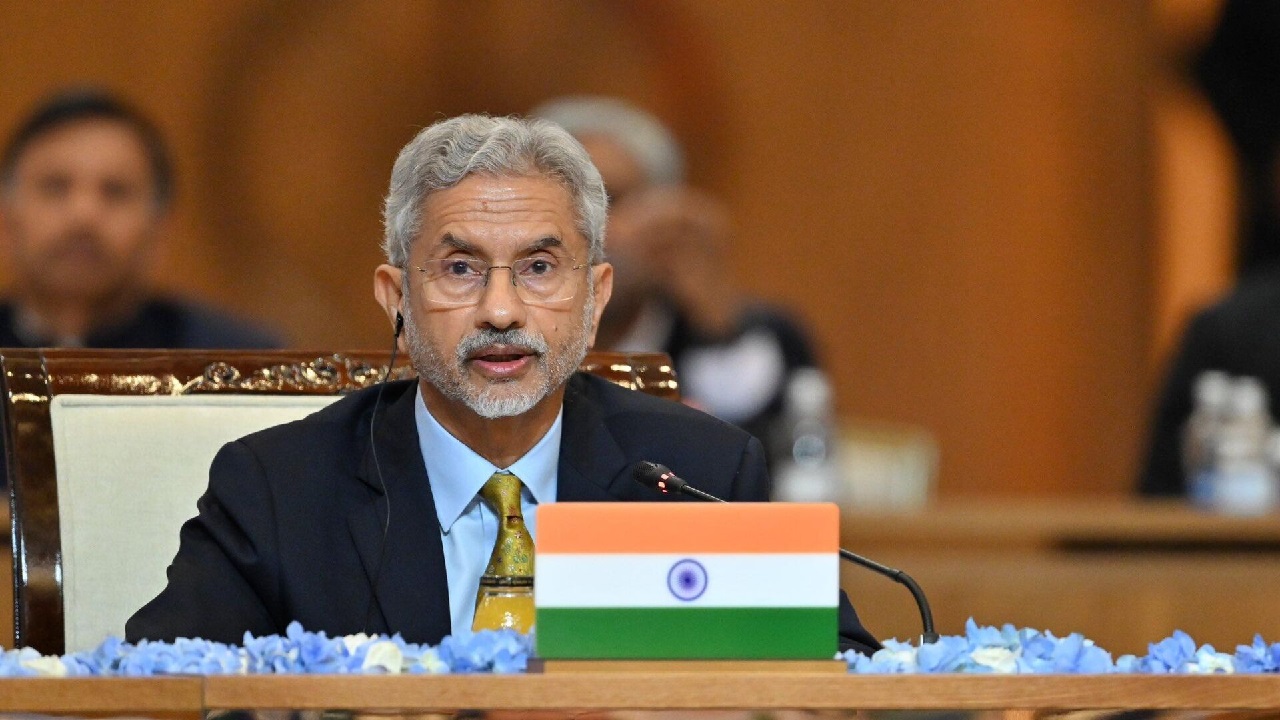
During talks held on Friday, External Affairs Minister S. Jaishankar announced that India will reopen its embassy in Kabul, a symbolic yet strategic move reflecting a renewed intent to engage constructively with the Afghan leadership.
Reaffirming Friendship: India’s Commitment to the Afghan People
At their meeting, Jaishankar described Muttaqi’s visit as “an important step in advancing India-Afghanistan ties.” He emphasized India’s long-standing friendship with the Afghan people, recalling decades of development assistance, infrastructure projects, and humanitarian aid.
“As a well-wisher of the Afghan people, India has a deep interest in your development,”Jaishankar said. “Our enduring partnership, which has seen so many Indian projects in Afghanistan, stands renewed.”
Acknowledging the Taliban government’s assurance regarding India’s security concerns after the Pahalgam terror attack, Jaishankar reaffirmed India’s support for Afghanistan’s sovereignty, territorial integrity, and independence. His remarks underscored New Delhi’s attempt to balance national security priorities with its humanitarian outreach.
A Humanitarian Bridge: India’s Assistance Continues
In a gesture of goodwill, India announced a series of humanitarian initiatives aimed at supporting Afghanistan’s health and welfare sectors. Jaishankar personally handed over five of the 20 ambulances gifted to the Afghan delegation and confirmed that MRI and CT scan machines, along with cancer medicines and vaccines, would be dispatched soon.
He also highlighted India’s rapid disaster response during last month’s Afghan earthquake, where relief materials were delivered within hours. “We would like to contribute to the reconstruction of residences in the affected areas,” he added.
India has already sent large consignments of food aid to Afghanistan and plans another delivery in Kabul this week. The minister also expressed concern over the “plight of forcibly repatriated Afghan refugees,” emphasizing the need to preserve their dignity and livelihoods.
Muttaqi’s India Agenda: Diplomacy and Outreach
Muttaqi’s visit, cleared by the United Nations Security Council, runs from October 9 to 16. Apart from his meeting with Jaishankar, the Afghan Foreign Minister is expected to visit Agra and the Deoband seminary, and interact with members of the Afghan community in India. This marks the first-ever visit by a Taliban foreign minister to India, signaling a subtle but important shift in New Delhi’s Afghanistan policy — one that blends engagement with strategic caution.
Looking Ahead: A Tentative Reset in the Making
The reopening of India’s embassy in Kabul could serve as the foundation for a new phase of pragmatic diplomacy. While formal recognition of the Taliban government remains off the table for now, India’s re-engagement strategy hints at a willingness to maintain a working relationship, protect its developmental investments, and prevent extremist spillovers.
Analysts believe that as Pakistan’s ties with the Taliban fray, India may find greater space to assert constructive influence in Afghanistan through humanitarian aid, infrastructure rebuilding, and cultural diplomacy. Yet, much will depend on how the Taliban manages global expectations on security, inclusivity, and human rights.
Building Bridges, Not Boundaries
The decision to reopen the embassy in Kabul marks more than just a diplomatic gesture—it represents India’s attempt to balance realism with responsibility. In engaging with the Taliban, New Delhi is signaling that its commitment is to the Afghan people, not to transient politics.
As Afghanistan navigates uncertainty, India’s renewed outreach offers a glimmer of continuity and care—a reminder that even in times of political flux, diplomacy grounded in compassion and strategy can still build bridges where walls once stood.
(With agency inputs)