A Nation Rich Beneath the Surface
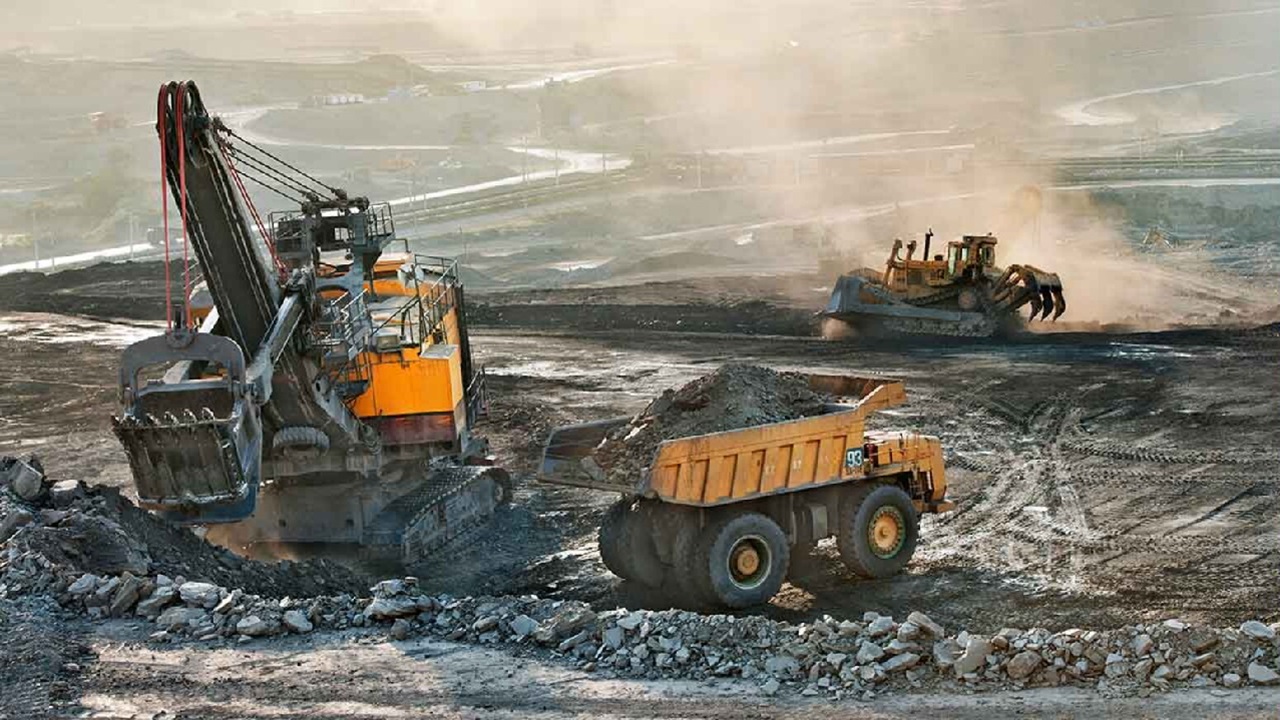
India’s mineral wealth runs deep—both in geology and potential. From the coal-rich terrains of Jharkhand to the bauxite belts of Odisha and the iron ore reserves of Karnataka, the country’s landscape is dotted with untapped geological treasure. As the world races toward green energy, digital infrastructure, and advanced manufacturing, India’s abundance of critical and strategic minerals is gaining newfound significance. Recognizing this, the government has doubled down on structured, transparent, and aggressive mineral auctions to power its self-reliance and reduce import dependency.
The Auction That Mined Opportunity
The fifth phase of India’s critical mineral auction program, conducted by the Ministry of Mines, marked a pivotal moment in this journey. Starting January 28, 2025, 15 high-value blocks were offered—10 of which were successfully auctioned across key states like Odisha, Madhya Pradesh, Chhattisgarh, Rajasthan, and Karnataka.
Among the most significant developments was the auction of India’s first-ever potash block in Rajasthan, a strategic move with far-reaching implications. Potash is a key input for fertilizers, and India has long relied on costly imports to meet demand. By tapping into domestic reserves, this auction not only boosts India’s food security and farm economics but also reduces the fertilizer subsidy burden.
Other critical minerals auctioned include graphite, phosphorite, rare earth elements (REEs), vanadium, and halite—all essential for clean energy technologies, defense systems, electronics, and industrial manufacturing.
With this latest tranche, the total number of auctioned critical mineral blocks has risen to 34, and more are expected in the coming phases. This is a tangible step in the government’s broader plan to develop a resilient mineral supply chain domestically—one that aligns with the Atmanirbhar Bharat (Self-Reliant India) mission.
Why Transparent Management Matters
Mineral extraction isn’t just about digging deeper—it’s about governing smarter. Proper auction management ensures maximum revenue for states, reduces corruption, and enhances investor confidence. By moving away from opaque allocations and embracing competitive bidding, India is creating a level playing field for both domestic and global investors.
The auctions are backed by institutional mechanisms like the National Critical Mineral Mission, which focuses on boosting exploration, fast-tracking regulatory approvals, and incentivizing downstream value addition in the country. This mission is key to transforming raw potential into economic value.
Furthermore, the success of these auctions hinges on robust public-private partnerships. It’s not just about who wins the bid—it’s about who develops the mines efficiently, processes the minerals sustainably, and integrates them into domestic manufacturing ecosystems. India’s rise in the global mineral supply chain depends on seamless execution beyond the bidding table.
Digging for Growth, Building for the Future
India’s latest mineral auctions are more than a bureaucratic milestone—they’re a strategic reset. By anchoring policy to transparency and long-term industrial goals, the country is aligning its geology with its geopolitical and economic ambitions.
As the world pivots to sustainable technologies, India’s mineral reserves, if managed wisely, could be the bedrock of a stronger, cleaner, and self-reliant future. Because in the race for critical minerals, those who control the supply chains will shape the future—and India is finally picking up the pace.
(With agency inputs)