A Digital Leap for India’s Rail Network
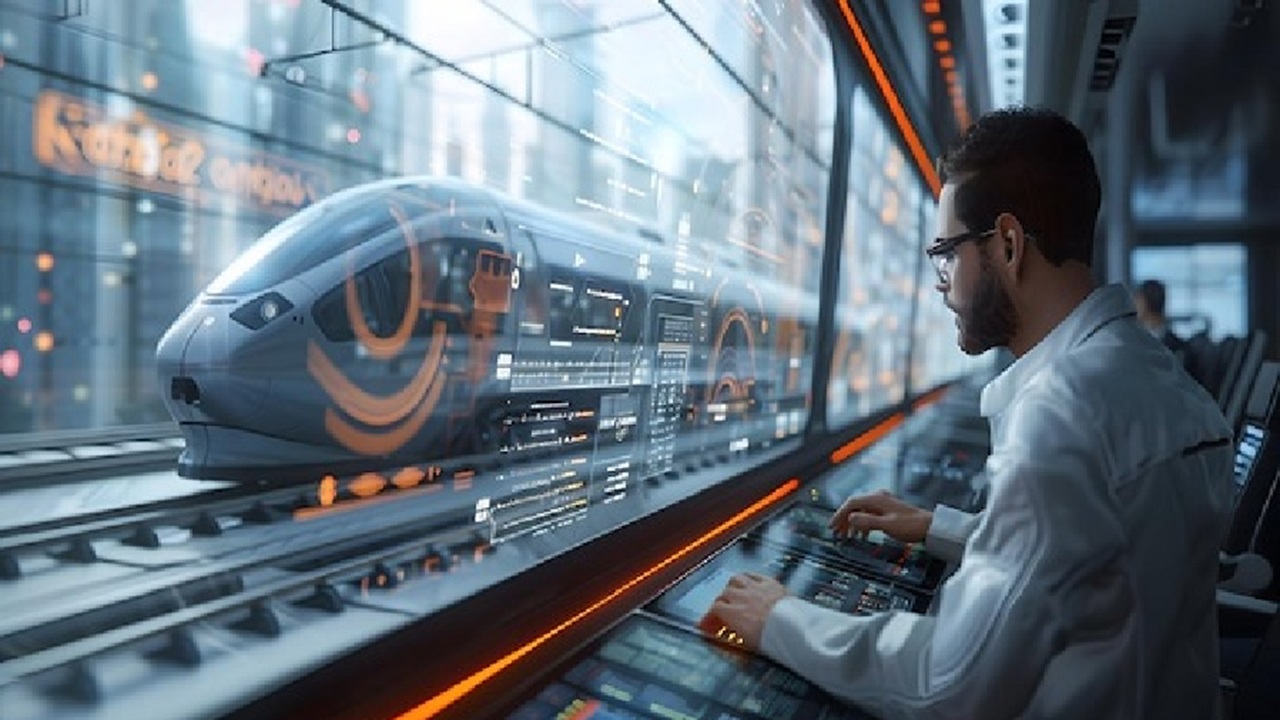
Indian Railways is accelerating its transition into a technology-driven transport system, expanding AI-powered safety and communication tools to enhance both passenger experience and operational efficiency. This modernization push reflects a broader effort to convert traditional railway infrastructure into “smart” ecosystems, where real-time data, predictive analytics, and advanced connectivity work together to improve reliability, safety, and convenience across one of the world’s largest rail networks.
Real-Time Information: Reducing Chaos, Enhancing Clarity
A key pillar of this transformation is the rollout of real-time passenger information systems across 1,405 stations. These systems are directly integrated with the National Train Enquiry System (NTES), ensuring that announcements, digital display boards, and coach guidance systems provide accurate and timely updates.
This shift addresses a long-standing challenge in Indian Railways—delayed or inconsistent information. By automating announcements and syncing them with live data, the system reduces dependence on manual inputs, minimizes confusion during delays or platform changes, and eases congestion at enquiry counters. For passengers, especially in busy junctions, this translates into a smoother, more predictable travel experience.
AI Surveillance: From Reactive to Predictive Security
On the security front, Indian Railways is embracing AI-enabled surveillance at 1,874 stations. These systems go beyond traditional CCTV by incorporating analytics capable of detecting suspicious patterns such as unattended baggage, unauthorized access, or unusual loitering.
Facial recognition tools and centralized monitoring further strengthen the network’s ability to respond to potential threats in real time. Additionally, technologies like intrusion-detection systems and vision-assistance tools for loco pilots signal a shift toward predictive safety measures. Instead of reacting after incidents occur, the railway ecosystem is increasingly equipped to anticipate and mitigate risks before they escalate.
Robust Digital Backbone: Powering the Transformation
Supporting these advanced systems is a high-capacity communication infrastructure built on IP-MPLS networks, now operational at 1,396 stations. This backbone enables seamless data flow for critical operations such as ticketing, freight tracking, and centralized monitoring.
The integration of such high-bandwidth networks allows control centers to access real-time feeds from multiple locations, improving coordination and decision-making. Additionally, specialized communication systems in challenging terrains—such as tunnels along the Udhampur-Srinagar-Baramulla Rail Link—ensure uninterrupted connectivity, enhancing safety in complex environments.
Toward a Smarter, Safer Railway Ecosystem
Taken together, these initiatives represent more than incremental upgrades—they mark a structural shift in how Indian Railways operates. By combining AI, digital infrastructure, and real-time analytics, the system is moving toward greater automation, efficiency, and resilience.
However, the success of this transformation will depend on consistent implementation, staff training, and robust data governance frameworks. As the network becomes more data-intensive, ensuring privacy and cybersecurity will be critical.
Redefining Rail Travel in the Digital Age
Indian Railways’ push toward AI-driven modernization signals a new era for public transport in India. By enhancing safety, improving communication, and streamlining operations, the initiative has the potential to significantly elevate the passenger experience while reducing risks and inefficiencies.
If sustained and scaled effectively, this transformation could redefine perceptions of Indian Railways—from a legacy system grappling with scale to a modern, intelligent network capable of meeting the demands of a rapidly evolving economy.
(With agency inputs)