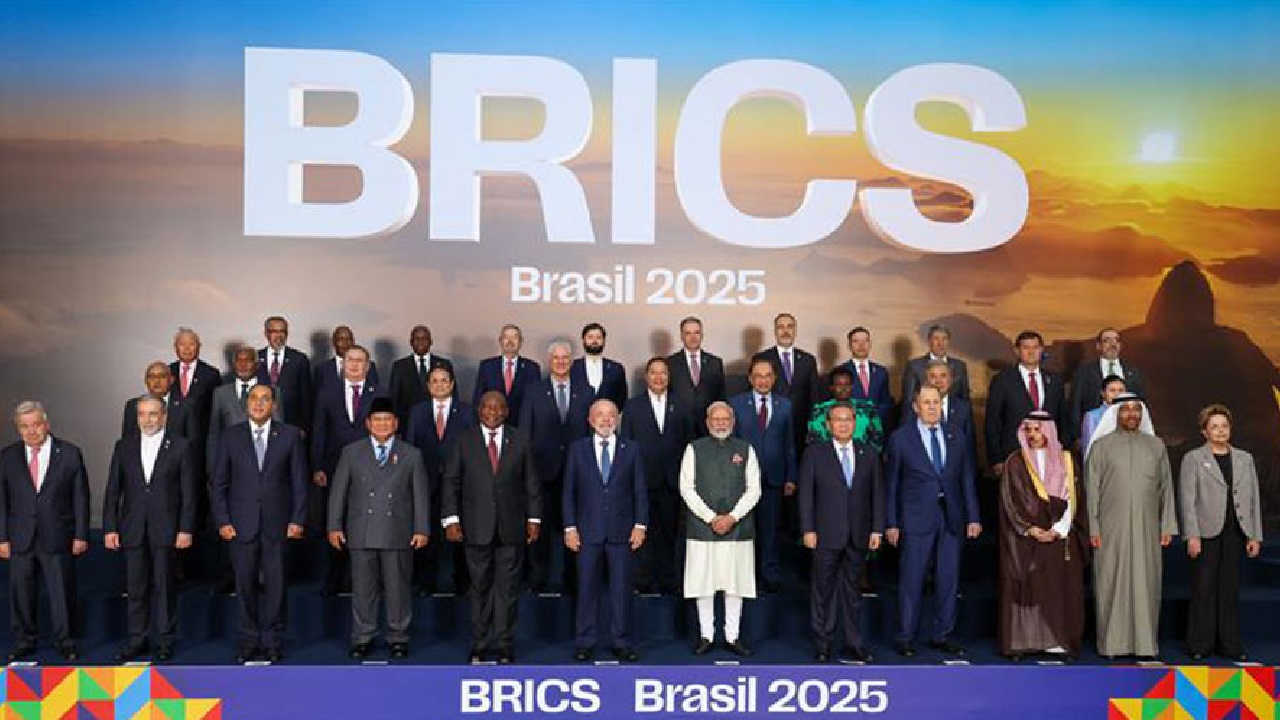
A Crucial Forum for Emerging Economies
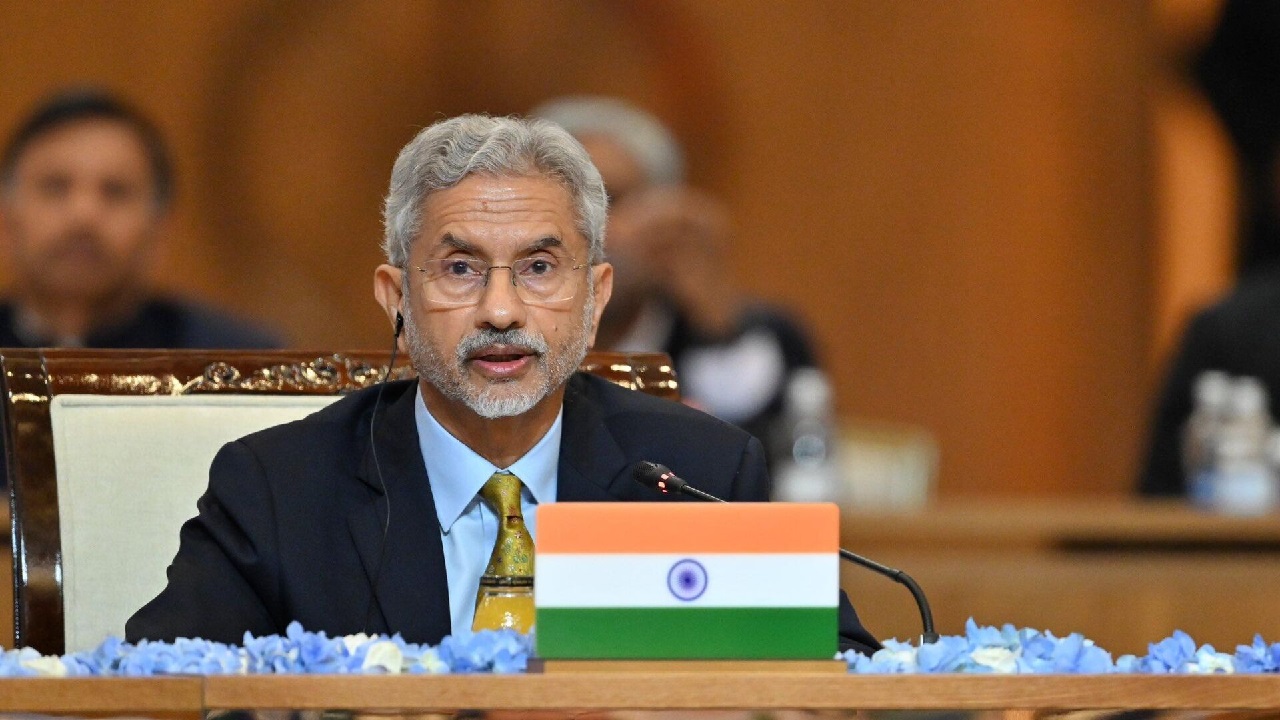
The Brics grouping—comprising Brazil, Russia, India, China and South Africa—has grown into one of the most significant platforms for emerging economies to coordinate their views on global challenges. Its importance has only deepened amid rising geopolitical competition and turbulence in global trade. India, under Prime Minister Narendra Modi, has consistently treated Brics as a forum to amplify its strategic voice, even as it carefully balances ties with Western partners. Against this backdrop, the latest Brics leaders’ virtual summit, convened on September 8 by Brazilian President Luiz Inacio Lula da Silva, assumes added weight. Interestingly, Modi has chosen not to participate directly, deputing External Affairs Minister S. Jaishankar instead—a decision widely read as a calculated signal of India’s diplomatic positioning ahead of assuming the Brics presidency next year.
Tariff Shockwaves from Washington
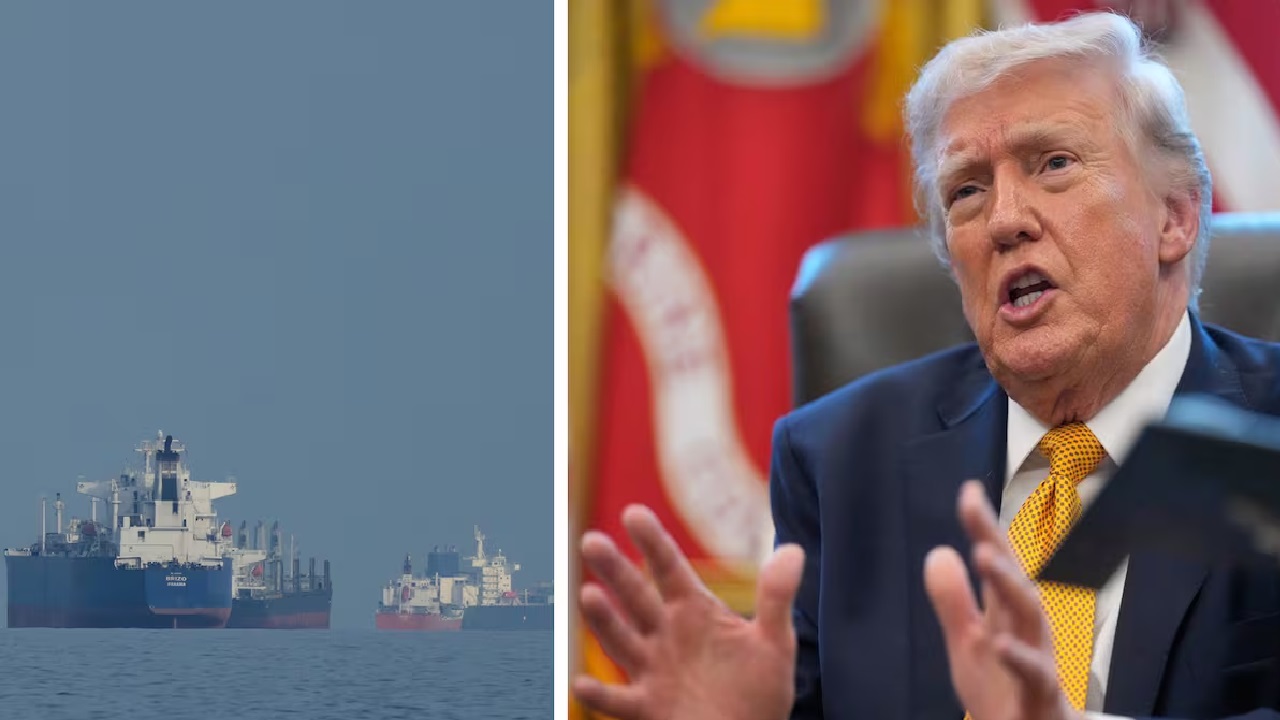
The immediate trigger for the summit is the global unease caused by tariff measures introduced by US President Donald Trump. India and Brazil have both been hit hard, albeit for different reasons. New Delhi faces a 50 per cent penalty linked to its continued purchase of discounted Russian crude oil despite Western sanctions. For Brazil, the punitive action followed judicial proceedings against former president Jair Bolsonaro, a Trump ally.
Brazilian officials stress that while some goods have been spared, critical industries like agriculture and manufacturing remain vulnerable. For India, an additional 25 per cent duty on Russian crude imports complicates its efforts to stabilise energy prices and secure supply. Together, these pressures illustrate how Washington’s tariff politics are reshaping trade flows across the Global South.
Strategic Context: Between SCO and Brics
This summit also comes in the wake of Prime Minister Modi’s recent interactions with Chinese President Xi Jinping and Russian President Vladimir Putin at the Shanghai Cooperation Organisation (SCO) summit in Tianjin. Those engagements have not gone unnoticed in Washington. President Trump, in a pointed remark on social media, claimed the US had “lost India and Russia to deepest, darkest China,” underlining American unease over India’s presence in forums where Beijing and Moscow play central roles. The Brics meeting, therefore, is not just about tariffs—it is also part of a broader contest over alignments in an increasingly fragmented world order.
Lula’s Pragmatism: Seeking Unity, Not Confrontation
For Brazil, convening the summit is both a necessity and an opportunity. President Lula, facing tariff blowback at home, has been clear that the meeting is not meant to serve as an anti-US platform. Instead, his aim is to foster solidarity among emerging economies while avoiding a frontal clash with Washington. Brazilian diplomats frame the discussions as a defence of multilateralism and rules-based trade rather than a direct challenge to American policy. This softer approach reflects an awareness that while Brics members share frustrations, their economic dependencies on the US and the West remain significant.
India’s Calculated Approach
India’s decision to be represented by Jaishankar rather than Modi is telling. On one level, it underscores New Delhi’s commitment to Brics as an important multilateral grouping. On another, it conveys caution, signalling that India will not allow Brics to become a stage for anti-US posturing. This nuanced strategy mirrors India’s broader foreign policy: nurturing a strong partnership with Washington while retaining channels of engagement with Russia, China and Brazil. Such balancing is critical as India readies itself to assume the Brics chairmanship, where it will need to guide the group through mounting global uncertainties.
Why This Meeting Matters
While no dramatic policy breakthroughs or sharp joint statements are expected, the summit’s significance should not be underestimated. It shines a light on the growing weight of trade disputes in shaping geopolitical alignments. For countries like India, the challenge lies in protecting national interests while managing diverse external partnerships. The discussions are likely to centre on cushioning the blow of protectionism, stabilising energy and commodity markets, and reinforcing the importance of multilateral trade mechanisms.
Navigating a Shifting Global Order
The Brics virtual summit is emblematic of a world where trade tools are increasingly wielded as instruments of power. For India, it represents both a challenge and an opportunity—to safeguard its economic security, maintain strategic flexibility, and showcase leadership before taking over the Brics presidency. The path ahead will not be easy, but the ability of India and its partners to foster dialogue, cooperation, and resilience may well determine how effectively emerging economies navigate a world where globalisation itself is under strain.
(With agency inputs)