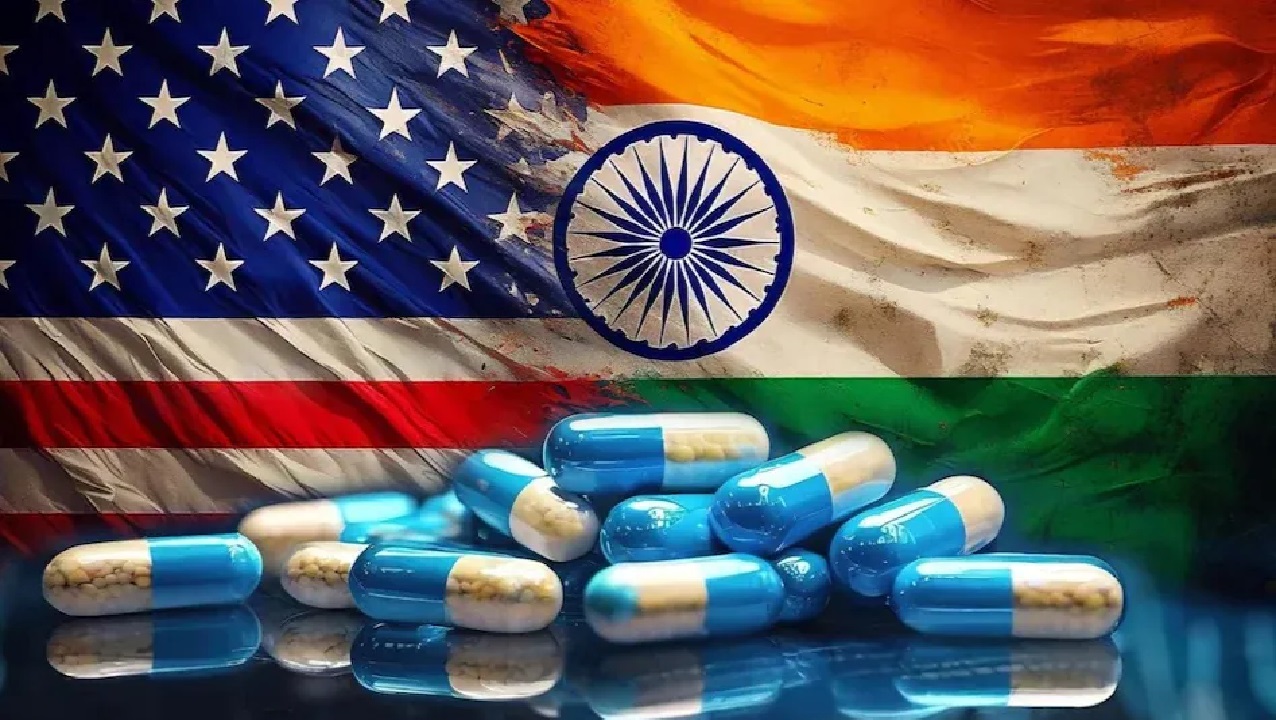
A Sector on the Rise
India’s pharmaceutical industry is experiencing a decisive upswing, reinforcing its reputation as a backbone of global healthcare supply. With exports crossing USD 30 billion in FY 2024–25 and maintaining strong growth despite global uncertainty, the sector stands at a pivotal juncture—one defined as much by opportunity as by regulatory scrutiny in its most critical markets.
Volume Strength, Value Aspirations
Often described as the “pharmacy of the world,” India’s pharma sector has built its dominance on affordable generics, complex formulations, and expanding biologics capabilities. Its medicines reach more than 200 countries, supplying essential drugs at scale. Yet as export volumes rise and product portfolios grow more sophisticated, Indian firms are increasingly confronted by stringent regulatory regimes in the United States and the European Union—markets that account for a significant share of revenues and credibility.
Export Momentum and Industrial Depth
India’s export growth has been driven largely by formulations, biologics, and complex injectables, which together form the backbone of its overseas shipments. The United States remains the single largest destination, reflecting deep integration between Indian manufacturers and global healthcare systems. This performance has come despite supply-chain shocks, pricing pressures, and geopolitical headwinds, underscoring the sector’s resilience.
Domestically, scale provides a powerful base. Thousands of manufacturing units, a vast skilled workforce, and government-backed production-linked incentives have strengthened capacity and reduced dependence on imported active pharmaceutical ingredients. However, while manufacturing efficiency is a clear advantage, innovation intensity remains comparatively modest, limiting India’s ability to fully move up the value chain.
Regulatory Headwinds in the United States
The US market, though lucrative, is also the most demanding. Heightened oversight by the US Food and Drug Administration has translated into more frequent inspections, warning letters, and compliance observations. Data integrity lapses, quality control deficiencies, and inadequate manufacturing hygiene remain recurring issues.
Although inspection outcomes for Indian plants have improved over the past decade, the rate of serious regulatory actions remains higher than the global average. Each adverse observation carries cascading consequences—import alerts, delayed approvals, and reputational damage—particularly costly in a market where Indian companies supply a large share of generic medicines. Added to this are legal risks linked to clinical data compliance and potential tariff uncertainties, which further compress margins.
Navigating the European Regulatory Landscape
In the European Union, challenges are different but equally complex. Regulatory harmonisation under the European Medicines Agency demands rigorous post-marketing surveillance, tighter labelling norms, and alignment across multiple national authorities. Recent EU initiatives aimed at supply-chain resilience create new openings for Indian API manufacturers, yet they also raise compliance costs and administrative burdens.
Generics face structural disadvantages in Europe, where pricing policies and policy preference for innovative therapies can delay market entry. Quality-related alerts—sometimes triggered by issues outside Europe—tend to amplify scrutiny across the region, increasing the cost of regulatory engagement for Indian exporters.
From Compliance to Competitive Advantage
India’s pharmaceutical ascent is undeniable, but sustaining it will require treating regulation not as a hurdle, but as a strategic frontier. Greater investment in R&D, digital quality systems, and regulatory intelligence is essential to convert scale into lasting trust. Equally important is regulatory diplomacy—engaging proactively with US and EU authorities to shape predictable, harmonised standards.
If India succeeds, it can transform regulatory compliance into a competitive edge, reinforcing its role not just as a high-volume supplier, but as a global benchmark for reliable, high-quality medicines. Failure to do so risks ceding ground in precisely the markets that matter most for its long-term ambitions.
(With agency inputs)