


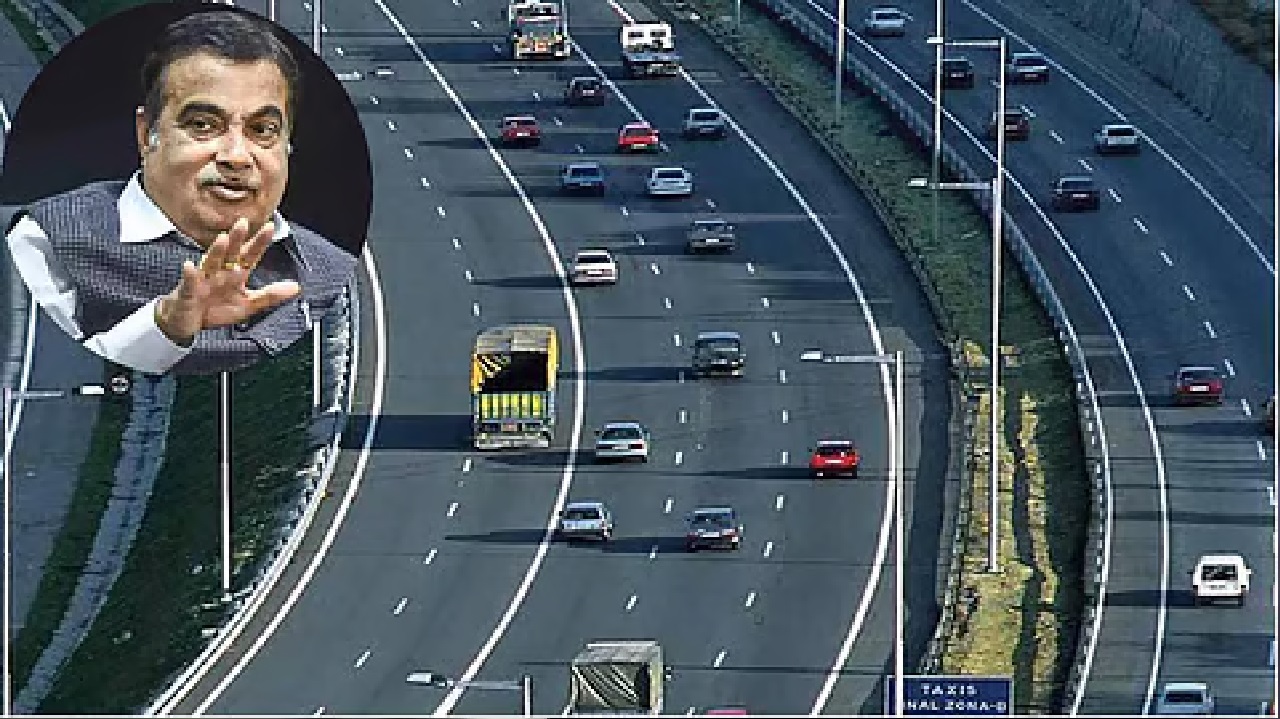
India’s road infrastructure is on the brink of a transformation, with Union Minister for Road Transport & Highways, Nitin Gadkari, asserting that India’s highway network will surpass that of the United States within the next two years. Speaking at an event on March 25, Gadkari highlighted significant advancements in road construction, logistics, and electric vehicle (EV) adoption, emphasizing the government’s commitment to world-class infrastructure development.
The Expansion of India’s Road Network Under Nitin Gadkari
Under the leadership of Nitin Gadkari, India’s road infrastructure has seen remarkable progress. Since he took charge, the pace of highway construction has significantly increased, with a target of building 60 kilometers of roads per day.
Key initiatives under Gadkari’s tenure include:
· Bharatmala Project: Aims to develop economic corridors and expressways to reduce travel time.
· Sagarmala Project: Focuses on improving port connectivity for efficient freight movement.
· Green Highways Initiative: Incorporates sustainable road construction practices.
· Expansion of National Highways: Enhancing connectivity between major cities and industrial hubs.
These initiatives have positioned India as one of the fastest-growing highway developers globally.
India’s Highway Network to Outpace the US
Gadkari confidently stated that India’s road network will not only match but surpass the US in quality and efficiency within two years. He credited the progress to:
· Accelerated construction techniques that enhance road durability.
· Use of new materials and technology, reducing maintenance costs.
· Reduction of travel time between major cities, such as Delhi-Dehradun and Bengaluru-Chennai.
· Advancements in India’s EV and Automobile Industry
Gadkari also emphasized that India will surpass the US in EV adoption and manufacturing within five years. He noted:
1. Government incentives for EV manufacturers and buyers.
2. Improvements in EV charging infrastructure across cities and highways.
3. Growth of domestic battery production, with companies like Adani and Tata leading the way.
The discovery of large lithium reserves in Jammu & Kashmir, which account for 6% of the world’s total lithium reserves, is expected to boost India’s battery production capabilities, reducing reliance on imports.
Impact of the Vehicle Scrapping Policy on Auto Sector
Gadkari highlighted the Vehicle Scrapping Policy, which is expected to reduce auto component prices by 30%. He explained that:
1. Lower auto component prices will lead to more affordable vehicles.
2. Increased scrapping of old vehicles will pave the way for a cleaner and fuel-efficient automobile industry.
3. The policy will drive demand for EVs as input costs decline.
4. Reducing Logistics Costs to Compete Globally
Currently, India’s logistics cost is around 14-16%, which is higher than many developed nations. Gadkari aims to bring this down to single digits, making India more competitive globally. Lower logistics costs will:
· Enhance ease of doing business.
· Boost exports by reducing transportation expenses.
· Attract foreign investment in manufacturing and infrastructure sectors.
India’s Automotive Industry Ranks Third Globally
India’s automobile industry has grown rapidly, surpassing Japan to become the third-largest in the world. Gadkari praised Indian manufacturers for focusing on quality over cost, ensuring globally competitive vehicles.
Under Nitin Gadkari’s leadership, India is on the cusp of a road infrastructure revolution. With highway expansion, reduced logistics costs, and EV advancements, the country is set to become a global leader in transportation and mobility. As Gadkari envisions, India’s roads will soon outclass those of the US, ushering in a new era of connectivity and economic growth.
(With inputs from agencies)