A Tense Geopolitical Balancing Act
As global tensions over the Russia-Ukraine war persist, India finds itself at the center of a growing international row. U.S. President Donald Trump’s recent remark that India had “halted” purchases of Russian oil was seen as a nod of approval from Washington. The comment came in the wake of new threats of trade penalties, including steep tariffs, on nations continuing business with Moscow. Simultaneously, India’s longstanding energy and defense partnerships with Russia are under the scanner—raising questions about the country’s strategic autonomy and economic pragmatism.
Contradictory Signals: Is India Still Buying Russian Oil?
Despite reports from international media that Indian state-owned refiners have paused Russian oil imports, citing narrowed discounts and pressure from Washington, Indian government sources insist otherwise. According to news agency ANI, India’s crude oil sourcing continues “based on price, grade, logistics, and other economic factors.” The sources emphasized that no formal halt has been imposed, and decisions are made on commercial and strategic grounds.
India, which imports around 85% of its crude oil needs, had significantly increased Russian oil purchases after Moscow began offering steep discounts post-sanctions. At one point, Russia became India’s top oil supplier. While these volumes have reportedly dipped recently, especially from state-run companies, the purchases haven’t entirely stopped. Private refiners like Reliance Industries and Nayara Energy continue to import Russian crude, although shifts toward Middle Eastern and West African suppliers are noticeable.
Trump’s Tariff Threat and Strategic Implications
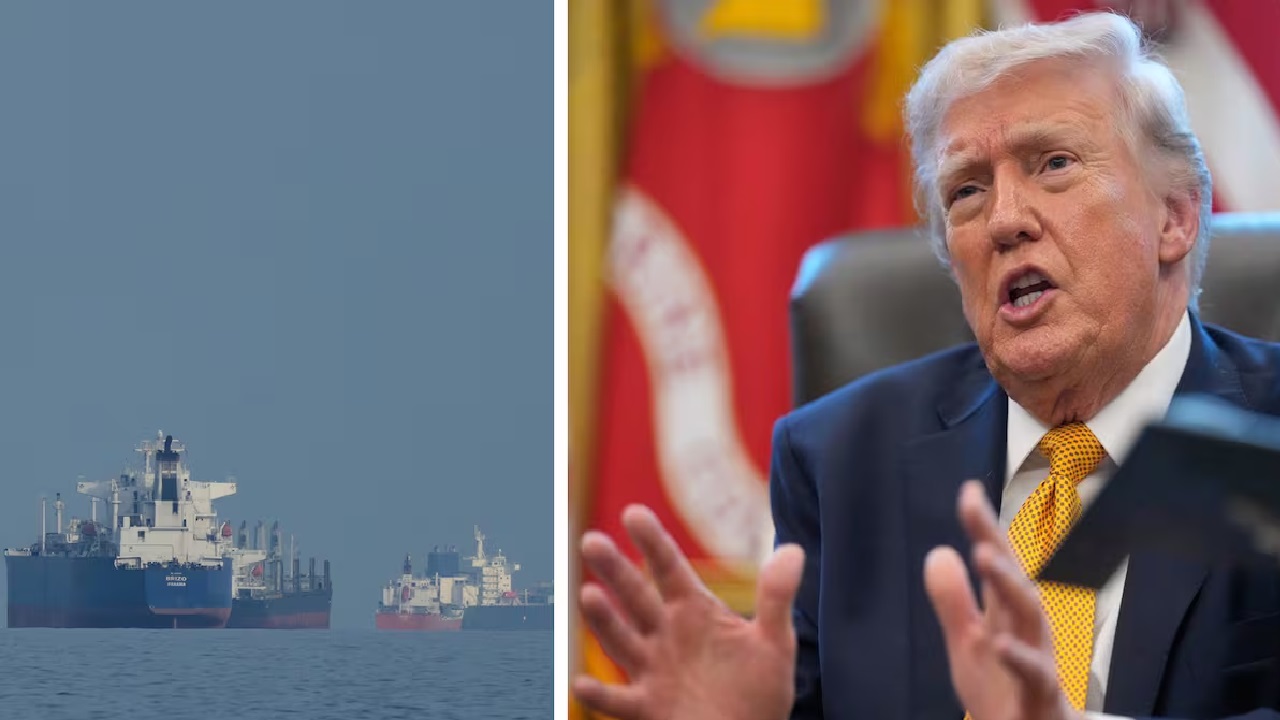
Speaking to reporters, Trump claimed he “heard” that India has ceased buying Russian oil and called it “a good step.” However, he added a caveat, saying he was unsure of the accuracy. His statement followed earlier warnings from the U.S., including a proposed 100% tariff on countries trading with Russia, and recent sanctions on India’s purchase of Russian defense equipment.
Washington’s pressure campaign aims to isolate Russia economically, but it places India in a difficult position. On one side is its growing strategic partnership with the U.S., underpinned by defense cooperation, democratic values, and shared Indo-Pacific objectives. On the other is a “time-tested” friendship with Russia, which remains a major defense and energy partner.
India’s Official Response: Sovereignty in Energy Choices
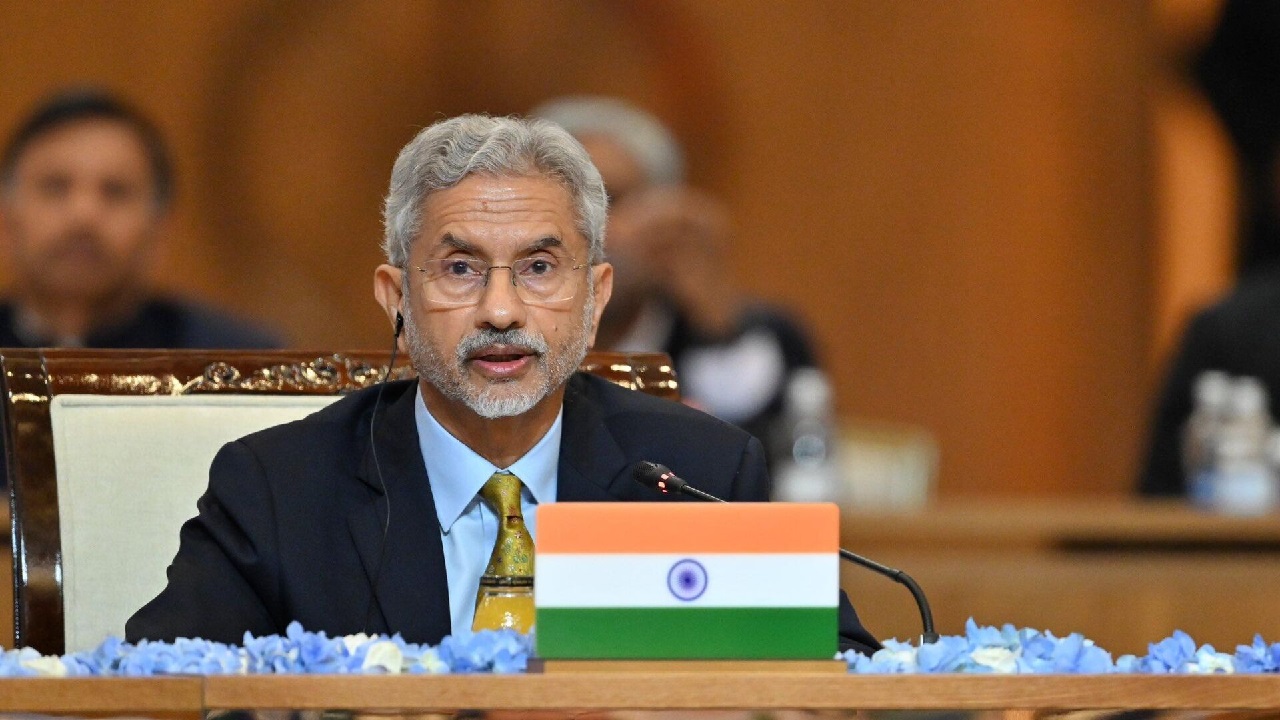
India’s Ministry of External Affairs (MEA) responded firmly to Trump’s remarks and the growing U.S. pressure. MEA spokesperson Randhir Jaiswal reaffirmed the Indo-Russian partnership, calling it steady and reliable. At the same time, he emphasized that India’s energy purchases are governed by “market dynamics,” not political pressure.
Jaiswal also reiterated India’s strong bilateral ties with the U.S., suggesting that mutual respect and dialogue—not coercion—should define their relationship. India’s diplomatic stance seeks to preserve strategic autonomy while navigating competing global interests.
Expert Views: Should India Continue Buying Russian Oil?
Energy experts argue that while India must weigh its geopolitical ties, it cannot ignore economic realities. Russian oil, even with narrowing discounts, has been crucial in managing domestic fuel prices amid global volatility. As a major energy importer, India’s priority is to secure affordable and reliable energy.
According to Dr. Amit Bhandari, a senior fellow at Gateway House, “Energy security can’t be compromised due to geopolitics. India must keep all channels open but diversify its sources to reduce risks.” Others suggest that India should prepare for a phased reduction in Russian imports while enhancing trade with stable suppliers.
What Are India’s Alternatives?
Should pressure mount, India has viable alternatives, albeit at higher costs. Middle Eastern countries like the UAE and Saudi Arabia can fill part of the supply gap, though price competitiveness may vary. African producers such as Nigeria and Angola also offer opportunities, while the U.S. itself is an emerging supplier of crude and LNG to India.
On the defense front, diversification has already begun, with increasing purchases from France, Israel, and the U.S. However, completely replacing Russian systems will take years and careful budget planning.
Navigating Between Principles and Pragmatism
India’s continued engagement with Russia, especially in energy and defense, is rooted in national interest rather than ideology. While U.S. pressure is mounting, India is unlikely to abandon its partnership with Moscow overnight. Strategic autonomy remains a cornerstone of New Delhi’s foreign policy—and that means charting a path that balances diplomacy, energy needs, and global expectations.
(With agency inputs)