Crisis Unfolds, Court Holds Back
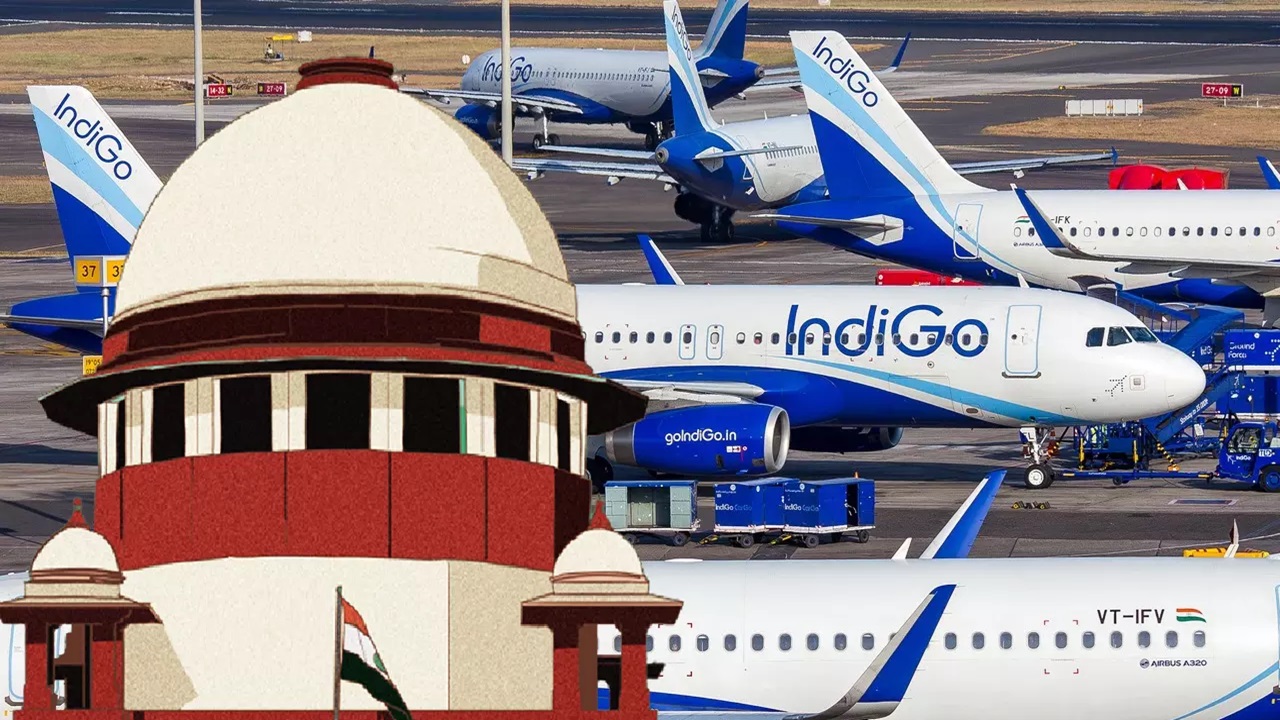
India’s aviation sector was rocked this week as the IndiGo operational crisis—marked by thousands of cancellations and widespread passenger distress—intensified. Despite the scale of disruption, the Supreme Court refused an urgent hearing on a petition seeking intervention, observing that the government and regulators had already taken “timely steps.” For the moment, passengers remain dependent on executive and regulatory responses, even as stranded crowds accumulate across airports nationwide.
How the Crisis Escalated
The turmoil stems from a cascading operational breakdown after the enforcement of new Flight Duty Time Limitations (FDTL) rules on November 1, which require longer rest periods for flight crews and restrict intensive night scheduling. IndiGo—operating nearly 60% of India’s domestic flights—struggled to recalibrate its high-utilisation model, leading to more than 4,500 cancellations since December 2.
On December 7 alone, the airline scrubbed over 650 flights, following previous spikes crossing the 1,000 mark. Large hubs such as Delhi, Mumbai, Bengaluru, and Hyderabad bore the brunt, with on-time performance falling below 35%. Congested winter schedules, pilot fatigue, and ongoing A320 family technical issues compounded the operational strain. The Delhi High Court, treating the situation as an “unprecedented collapse,” is scheduled to hear a related plea shortly.
Judicial Freeze and Regulatory Scrutiny
The Supreme Court, led by Chief Justice Surya Kant, signaled confidence in the DGCA’s ongoing intervention, including a show-cause notice to IndiGo’s CEO and a temporary relaxation of duty-time rules to restore stability. While petitioners argued that abrupt cancellations violated passenger rights under Article 21, the Court chose not to micromanage an issue it deemed administrative.
Meanwhile, the Aviation Ministry has ordered a high-level inquiry, raising the possibility of fines, operational restructuring, and an audit of crew-rostering practices across the industry.
What Legal Remedies Can Stranded Passengers Pursue?
1. DGCA-Mandated Entitlements
Under the Civil Aviation Requirements (CAR), passengers are entitled to:
· Full refunds within 7 days if no comparable alternative flight is provided.
· Compensation between ₹5,000 and ₹20,000 depending on the length of delay or distance of the route.
· Filing complaints directly with the airline or escalating to the DGCA dispute portal if responses are inadequate.
While airlines may cite FDTL norms as “extraordinary circumstances,” affected passengers can challenge this classification by showing the disruption stemmed from scheduling and workforce mismanagement—not uncontrollable events.
2. Consumer Forum Claims
Victims can petition District Consumer Commissions (for claims up to ₹50 lakh) seeking refunds, reimbursement for hotels and rebooking, and compensation for mental distress. Precedents show courts awarding damages for avoidable delays and poor communication.
3. High Court Writ Petitions
Passengers may file under Article 226, arguing arbitrary cancellation without notice violates their rights. Interim relief—hotel accommodation, travel alternatives, or immediate refunds—can also be sought.
4. Class-Action and Collective Redress
Groups of passengers can file consolidated complaints or class actions to increase pressure and expedite remedies.
A Crisis Exposing Structural Weaknesses
The IndiGo meltdown is more than an operational hiccup—it reveals the fragility of India’s aviation ecosystem when a single dominant carrier stumbles. While regulatory actions may stabilize flight operations in the short term, lasting solutions require deeper reform: diversified market capacity, transparent airline communication, and robust crew-management systems. For passengers, legal pathways exist, but the burden of pursuit remains heavy. The episode serves as a reminder that resilience in civil aviation hinges not only on fleet size and market share but on preparedness, accountability, and the ability to safeguard consumer rights when the system falters.
(With agency inputs)