A New Flashpoint in U.S.–Iran Tensions
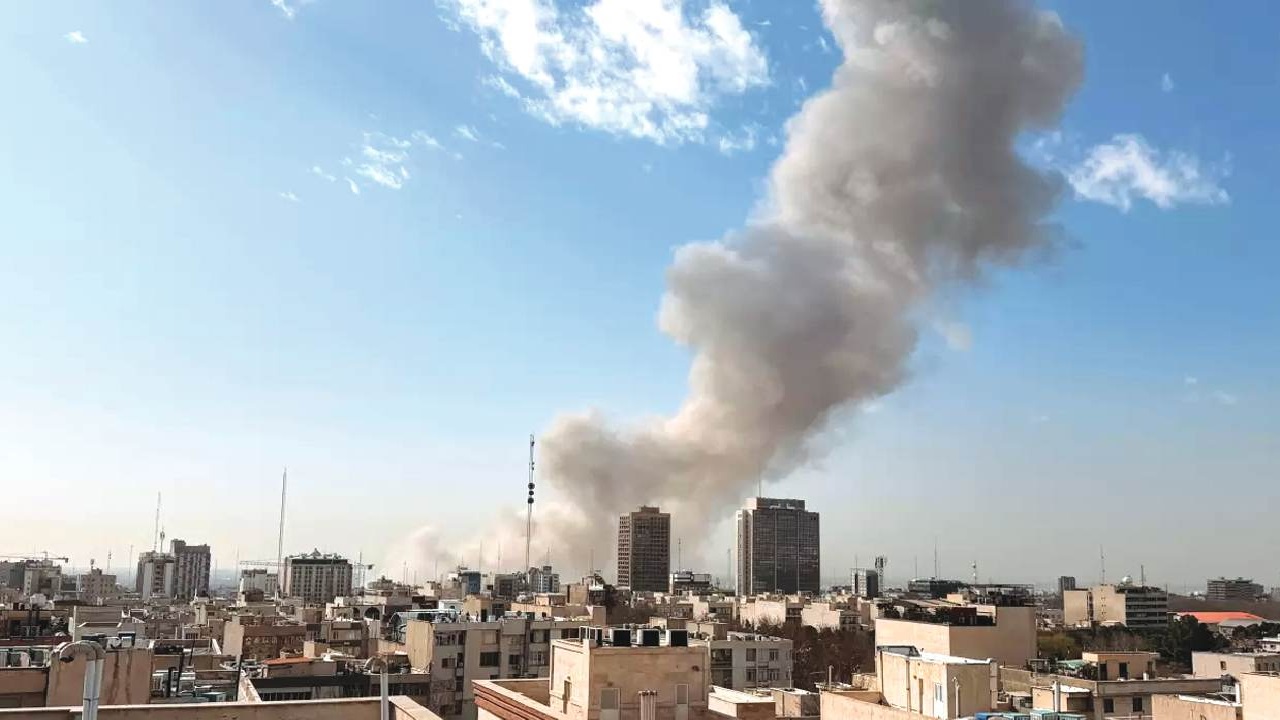
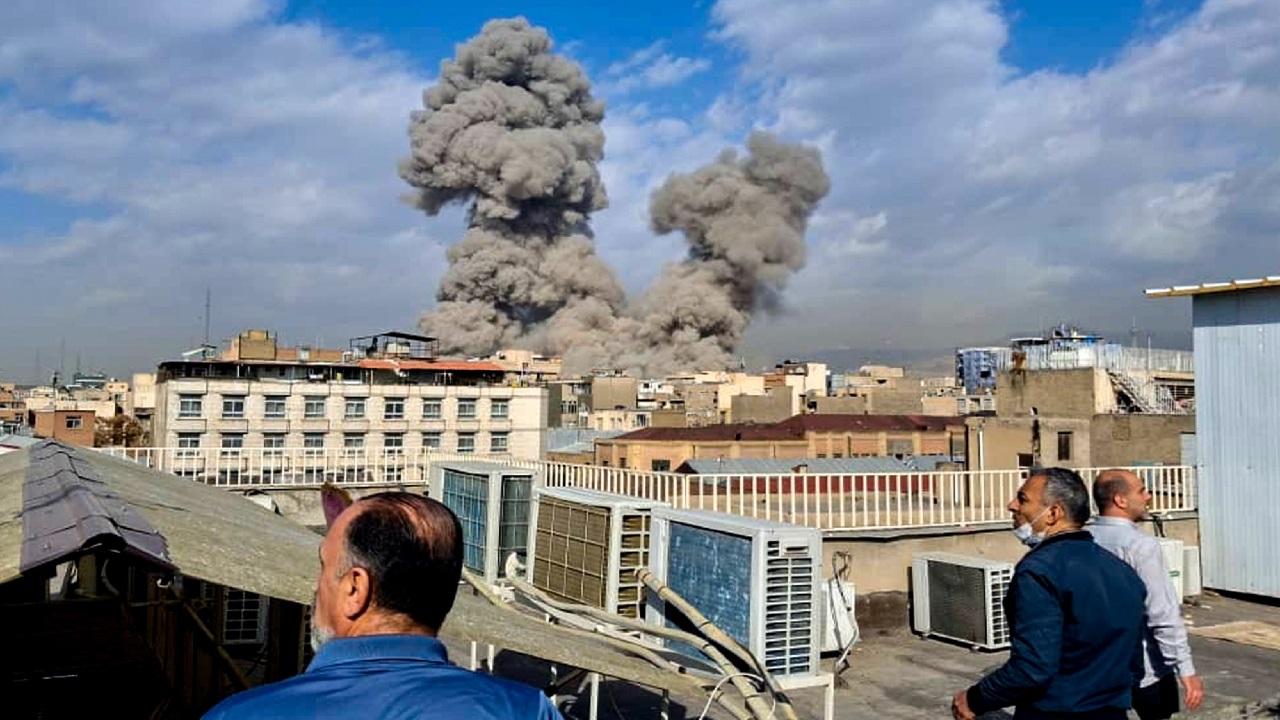
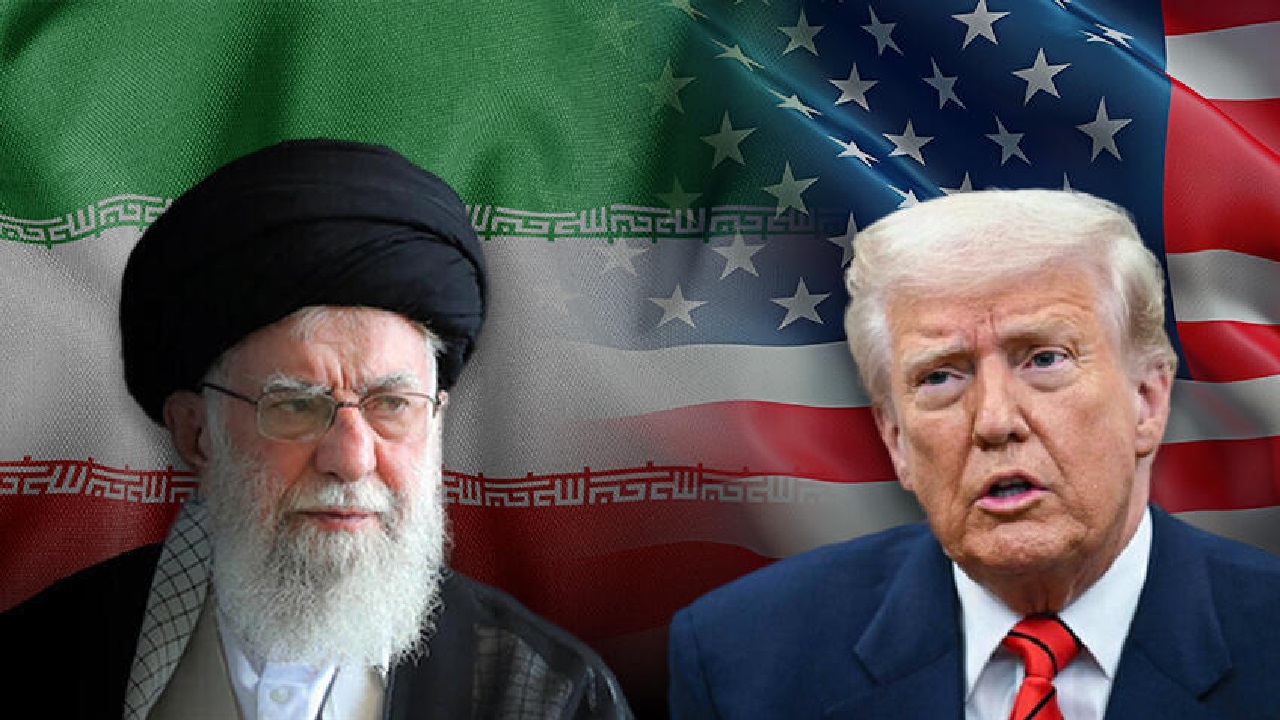
The fragile equilibrium between Iran and the United States has once again erupted into confrontation. In response to recent remarks by U.S. President Donald Trump—who boasted that American strikes earlier this year had “obliterated” Iran’s nuclear facilities—Tehran has issued a fierce rebuttal. Iranian leaders dismissed the claims as false and provocative, accusing Washington of resorting to “political intimidation” rather than diplomacy. The episode has reignited long-simmering tensions over Iran’s nuclear ambitions, the role of U.S. military power in the Middle East, and the future of regional stability.
Defiance from Tehran: “Iran Will Not Bow to Pressure”
Supreme Leader Ayatollah Ali Khamenei led the charge in rejecting Trump’s comments, describing them as “improper, incorrect, and arrogant.” In a televised address, Khamenei declared that the United States cannot dictate the terms of Iran’s nuclear policy, asserting that Trump should “keep dreaming” if he expects Tehran to submit to American conditions.
The Iranian leadership emphasized that nuclear talks with Washington will not resume under coercion or threat. Tehran reiterated that its atomic program remains peaceful and compliant with international norms, despite persistent U.S. and Western accusations of weaponization. “Iran’s nuclear energy serves scientific, medical, and economic purposes,” stated a Foreign Ministry spokesperson, underscoring that the country’s sovereignty “is not negotiable.”
No Negotiations Without Security Guarantees
Iranian officials made clear that any potential return to the negotiating table hinges on assurances against further military aggression. Tehran insists that trust must precede diplomacy, arguing that Washington has repeatedly violated past commitments. The government dismissed recent U.S. proposals calling for the total dismantling of Iran’s enrichment capacity as “unreasonable and insulting,” signaling that Iran will not accept terms that undermine its technological independence.
Condemning the U.S.–Israel Alliance
Tehran’s response extended beyond Trump’s statements to target what it called the “immoral partnership” between Washington and Tel Aviv. The Iranian Foreign Ministry accused both nations of hypocrisy and aggression, citing the assassination of General Qassem Soleimani as an “unforgivable act of terror.” Officials warned that any renewed U.S. or Israeli strikes on Iranian interests would invite a “decisive and crushing response.”
Military advisors further noted that American bases across the Middle East are “well within Iran’s missile range,” a pointed reminder of Tehran’s strategic deterrence capabilities.
Shifting Beyond the 2015 Nuclear Deal
Since the expiration of the 2015 Joint Comprehensive Plan of Action (JCPOA), Iran has lifted several self-imposed restrictions on its nuclear program. However, it maintains that these steps are reversible—provided the international community respects its sovereignty and right to peaceful enrichment. Iranian officials have left the door open for diplomacy, but only under conditions of mutual respect and non-interference.
A Dangerous Standoff, A Test for Diplomacy
Iran’s firm stance underscores a familiar but escalating cycle of provocation and defiance between Tehran and Washington. While Trump’s rhetoric aims to project American dominance, Iran’s response signals that it is neither isolated nor intimidated. The standoff highlights the urgent need for measured diplomacy rather than militarized posturing. Without renewed dialogue built on trust and parity, both nations risk plunging the Middle East into another period of instability. For now, Tehran’s message is unmistakable: Iran will not yield to “bullying”—and any miscalculation could have consequences far beyond words.
(With agency inputs)