Iran’s Allies – Powerful, But Paralyzed
For over four decades, Iran has meticulously built an extensive web of regional and global alliances — from armed militias in the Middle East to powerful state partners like Russia and China. This self-declared Axis of Resistance was forged to repel Western dominance, shield Iran from direct confrontation, and project Tehran’s ideological and military reach across borders. Hezbollah in Lebanon, Hamas in Gaza, the Houthis in Yemen, and Iraqi Shiite militias once served as Tehran’s frontline deterrents.
Beyond the Middle East, Iran’s alignment with Russia, China, and North Korea forms what some analysts dub the “Quartet of Chaos” — a counterbalance to Western influence. But as Israel’s strikes pound Iranian soil in an unprecedented escalation, the silence from these allies is deafening. Has the empire of proxies and partnerships Unraveled? And is Iran, for the first time in decades, fighting a war without its allies?
Hezbollah: From Fierce Vanguard to Hesitant Bystander
Hezbollah, long considered Iran’s most potent proxy, has remained curiously inactive. Once quick to retaliate against Israeli actions, Hezbollah’s silence in the face of Israeli strikes on Iran marks a stunning shift. The assassination of its iconic leader Hassan Nasrallah in a precision Israeli strike in 2023 left a gaping leadership vacuum. His successor, Naim Qassem, projects a more nationalist tone — appearing in public settings without traditional symbols of Iranian allegiance, such as Ayatollah Khamenei’s portrait.
More critically, Hezbollah’s logistics are crumbling. With the fall of Bashar al-Assad’s regime in Syria in 2024, vital smuggling routes that once funnelled weapons and supplies from Tehran to Lebanon have been severed. Israeli air raids have also decimated storage depots and missile sites, eroding the group’s military edge. Today, Hezbollah seems more invested in self-preservation than joining Tehran in a wider war with Israel.
Hamas: A Broken Wing After the Gaza Inferno
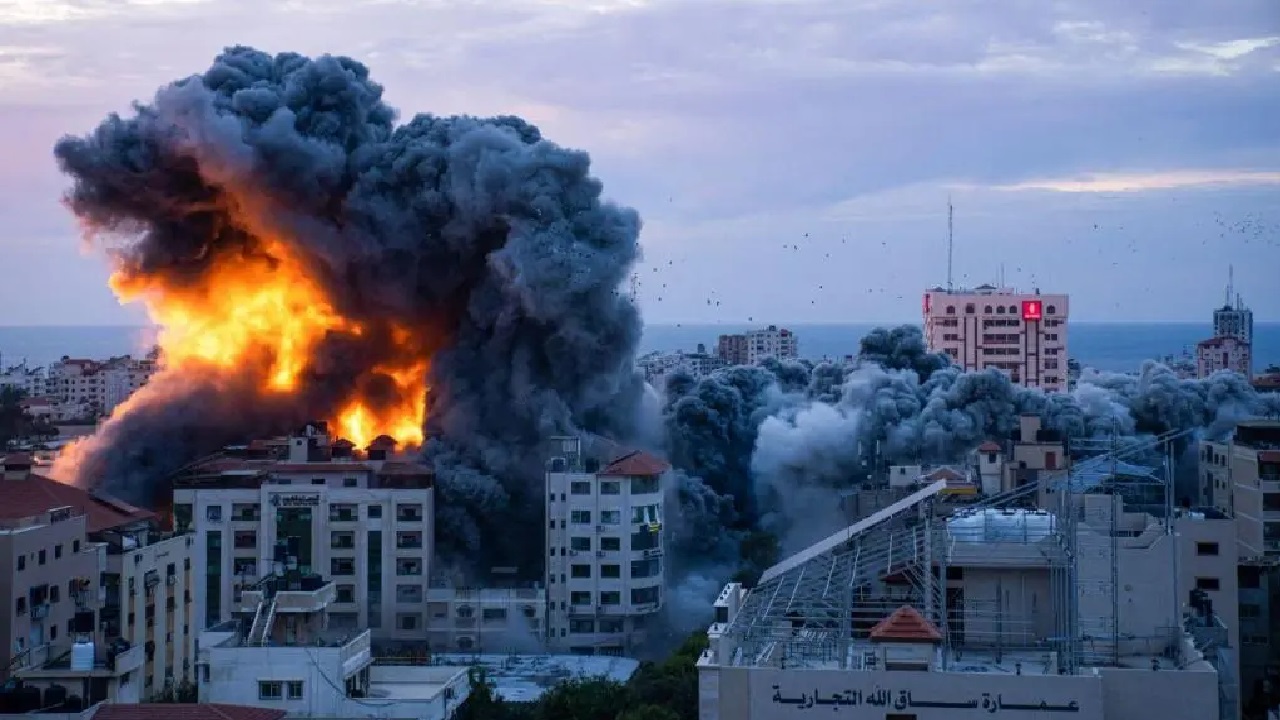
Once a spearhead of Iranian-backed resistance, Hamas has been virtually decapitated. Following the October 7, 2023 attacks that ignited the current regional crisis, Israel launched an unrelenting offensive that razed Gaza’s infrastructure and leadership. The deaths of senior figures Ismail Haniyeh and Yahya Sinwar shattered Hamas’s command structure. The last visible leader, Khaled Mashal, remains in Qatar — distant from the battlefield and diminished in influence.
With rocket factories destroyed, tunnels collapsed, and command centers obliterated, Hamas lacks the capacity for coordinated retaliation. Iran’s support, limited to political condemnation and rhetoric, has done little to change the group’s declining fortunes. For Tehran, Hamas — once a fiery torchbearer — is now a flickering candle in the storm.
Iraq: Militias Muted and Reined In
Iraq’s Iranian-backed militias, long notorious for harassing U.S. forces and enforcing Tehran’s will in Baghdad, have adopted a surprisingly passive posture. Since Israel’s escalation, groups like Kataeb Hezbollah have offered only vague warnings. The broader militia network remains dormant, likely influenced by Iraqi Prime Minister Mohammed al-Sudani, who has urged these groups to avoid regional entanglement.
Iraq’s Shia militias are also undergoing transformation — many are evolving into business and political enterprises rather than remaining paramilitary actors. Their strategic silence may reflect internal divisions, fatigue from past conflicts, or a calculation that this war is not theirs to fight.
Houthis: Active, But Cautious
Among Iran’s regional proxies, the Houthis of Yemen have been the most visibly active. The group launched several missiles toward Israel earlier this year and maintained fiery anti-Israel and anti-U.S. rhetoric. However, after U.S. airstrikes in March and April destroyed key missile installations, the Houthis have dialled down their military provocations.
Though still in close coordination with Tehran, the Houthis appear more cautious, focusing on preserving their regional gains in Yemen rather than escalating a direct conflict with Israel or the U.S.
Global Allies: The CRINK Axis on the Sidelines
Iran’s non-Arab allies — Russia, China, and North Korea — are powerful in theory, but practically disengaged in Tehran’s hour of crisis. Together forming what some call the “CRINK” axis (China, Russia, Iran, North Korea), these states have ideological alignment but limited direct involvement.
Russia, entangled in Ukraine and wary of new entanglements, condemned Israeli actions as “unprovoked” but has not moved beyond rhetoric.
China, Iran’s top oil buyer and economic partner, has called for calm while offering to mediate — far from the military ally Tehran may hope for.
North Korea, while often a behind-the-scenes provider of missile and nuclear technology, has remained silent, offering no public support or threat.
India: Friendly, But Neutral
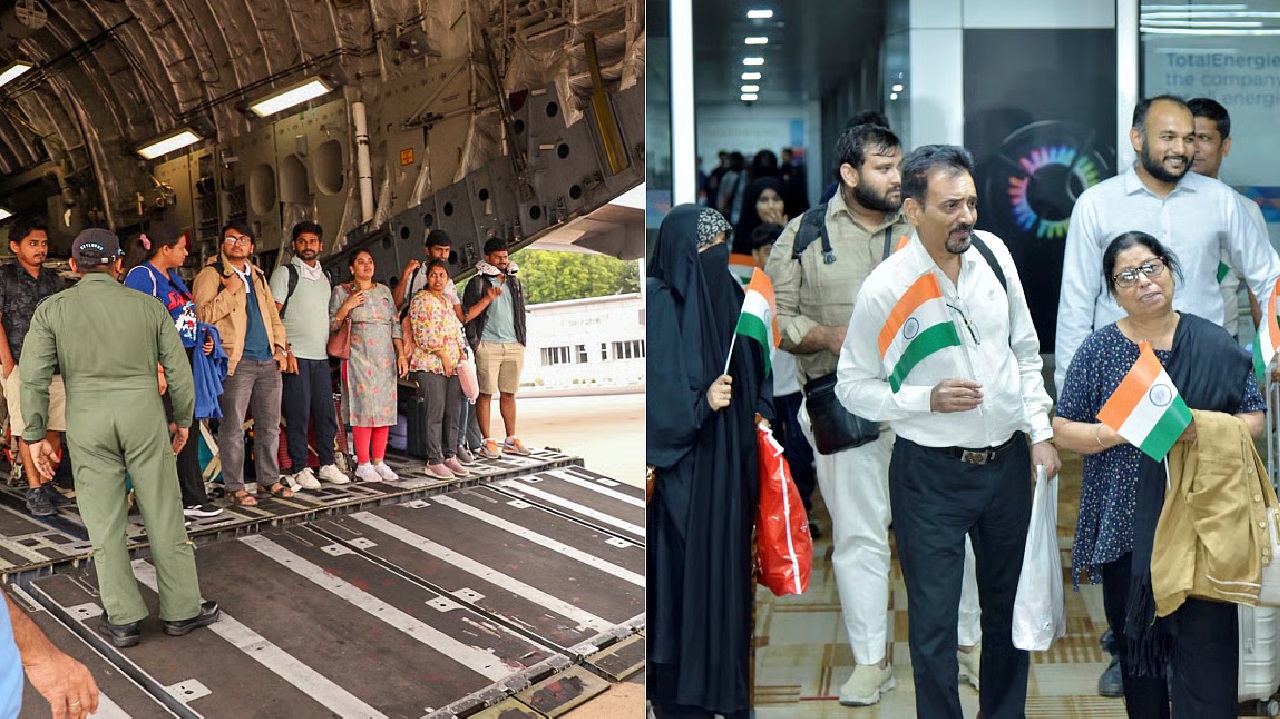
India’s position is unique — a balancing act between Tehran and Tel Aviv. India maintains strong defense and tech ties with Israel while also investing in strategic infrastructure projects in Iran, such as the 10-year Chabahar Port agreement signed in 2024. But in this conflict, India remains a neutral observer, focused on diplomacy, stability, and economic interests — not alliance-based warfare.
Iran’s Isolation is Strategic and Structural
Iran’s proxy empire is not gone, but it is fragmented, weakened, and strategically hesitant. Years of attrition, internal divisions, and shifting priorities have hollowed out the once-fierce Axis of Resistance. Tehran’s allies are no longer the roaring lions of past wars — they are wounded, wary, and in some cases, unwilling.
As Iran faces one of its greatest national security threats in modern history, its regional and global allies are watching from the sidelines. The message is clear: Iran is largely on its own. And if it hopes to prevail or even survive this crisis, it must confront a sobering new reality — the age of automatic proxy retaliation may be over.
(With agency inputs)