A History of Military Muscle in Civilian Politics
Coup whispers are nothing new in Pakistan. Since its inception, the country has witnessed multiple military interventions, often disguised as moves to “stabilize” governance. In Pakistan’s power matrix, the military has long overshadowed elected officials, with army chiefs often positioning themselves as kingmakers — or kings themselves.
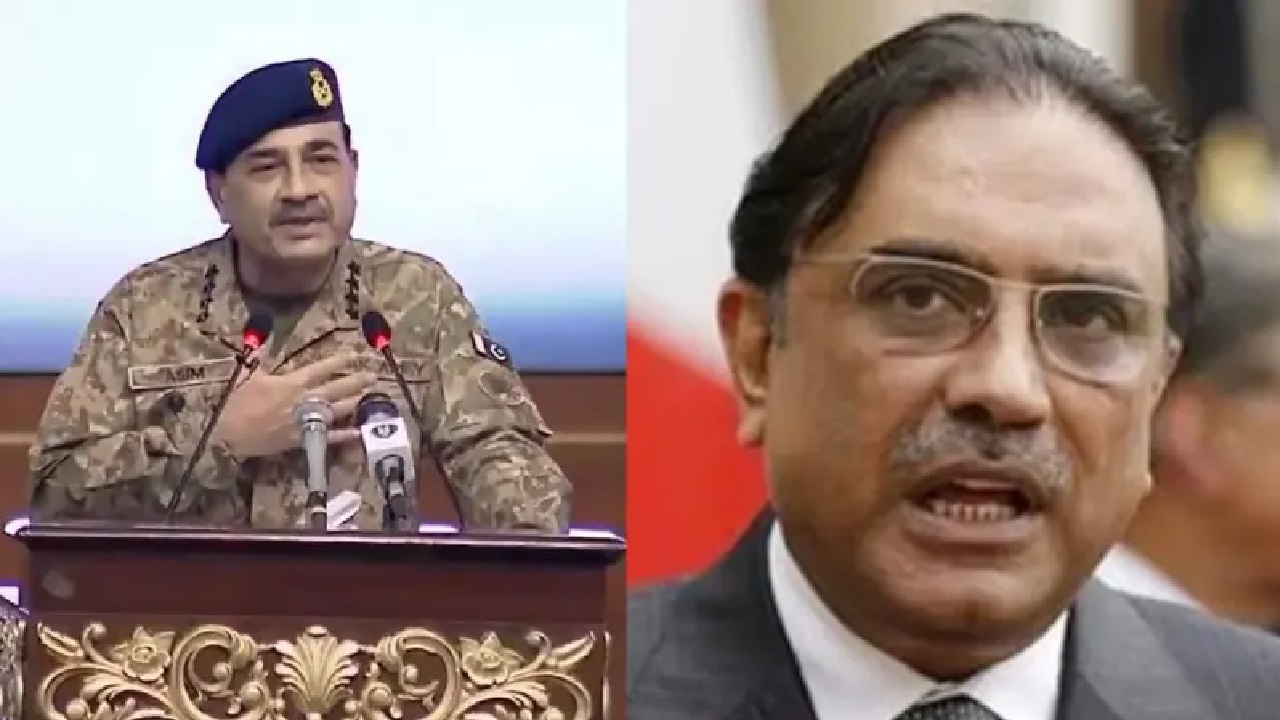
Now, a storm is brewing once again. Speculation is mounting that Pakistan Army Chief Field Marshal Asim Munir may be preparing to dethrone President Asif Ali Zardari in what analysts suspect could be the early moves of a silent coup. What’s driving this narrative? Let’s break down the signals and patterns behind this rising tension.
The Signs of a Coup in the Making
Munir’s Surprising Promotion
One of the most conspicuous triggers fueling speculation was the unexpected promotion of General Asim Munir to Field Marshal in May — a rank that hasn’t been held since General Ayub Khan assumed it in 1959, shortly after orchestrating a coup and becoming president. This historical parallel hasn’t gone unnoticed.
Adding to the intrigue, Munir’s elevation came immediately after India’s Operation Sindoor, a series of retaliatory strikes following the Pahalgam terror attack. Despite deploying Chinese and Turkish military hardware, Pakistan suffered significant damage. Critics argue this exposed vulnerabilities in Zardari’s civilian leadership and further bolstered Munir’s influence within the establishment.
The White House Visit: A Power Play?
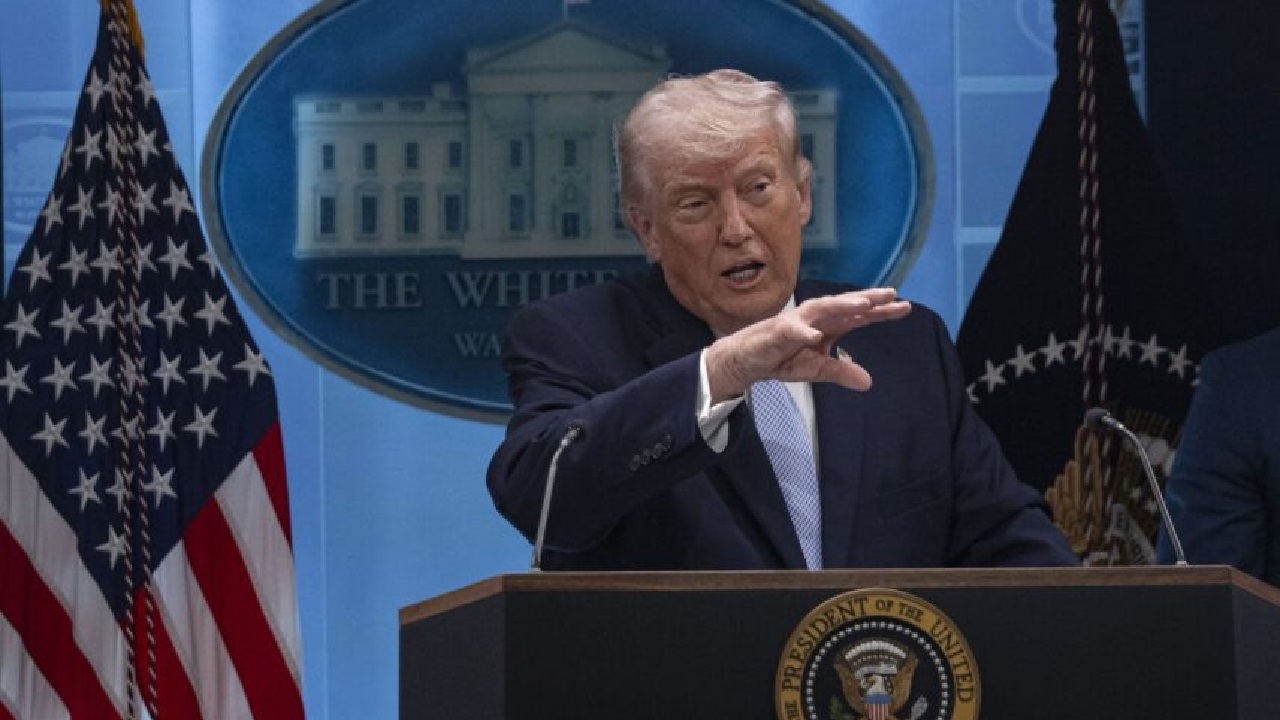
What further raised eyebrows was Munir’s private meeting with former U.S. President Donald Trump in June — without any senior Pakistani civilian officials in attendance. The optics alone were potent: the country’s military leader bypassing his own civilian government to meet a global powerbroker suggested rising autonomy and international backing.
Analysts believe the visit sent a subtle message — not just to Zardari, but to the world — that Munir is the true force behind Pakistan’s direction.
Rumbling Dissent Within the Political Order
Journalists Speak Out
Independent Pakistani journalist Ejaz Sayed has publicly stated that “efforts are on to oust Asif Ali Zardari.” He pointed to behind-the-scenes manoeuvring that is allegedly intended to coerce Zardari into resigning rather than forcing a full-blown military takeover. The goal appears to be a “silent coup”, avoiding the international backlash that a traditional military takeover would invite.
Social Media Speculation
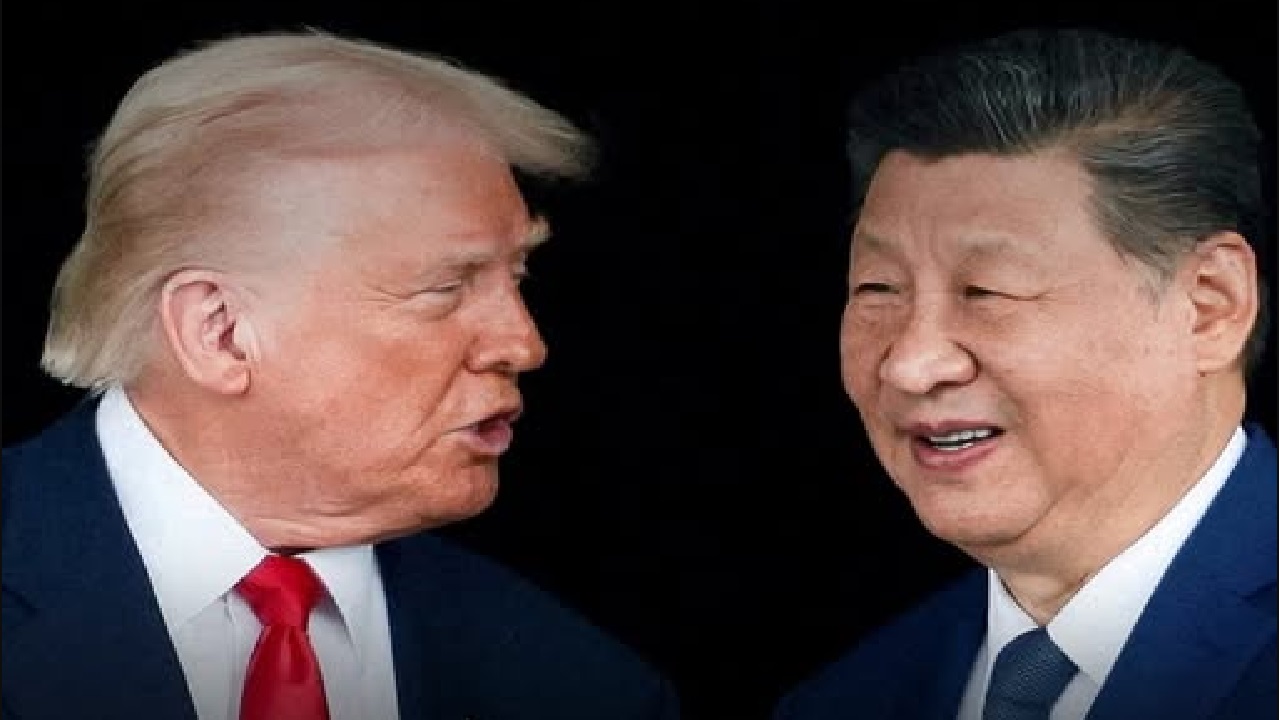
Online platforms have only added fuel to the fire. One viral post on X (formerly Twitter) claimed that Munir’s motivation lies in aligning with U.S. interests — in contrast to Zardari, who has publicly supported China’s stance on Taiwan. “His goal? Kill CPEC, no matter the cost,” the post alleged, referencing the China-Pakistan Economic Corridor — a cornerstone of China’s Belt and Road Initiative.
The Bhutto Factor: Tensions Within PPP
Things further escalated after former Foreign Minister Bilawal Bhutto Zardari hinted in an interview that Pakistan may be open to extraditing terrorists like Hafiz Saeed and Masood Azhar to India — a bold and unprecedented gesture from a Pakistani leader.
This sparked backlash from hardline circles. Talha Saeed, son of Hafiz Saeed, publicly condemned Bhutto, accusing him of betraying Pakistan and pushing a Western-Indian narrative. Critics argue this backlash wasn’t just about Bhutto’s words — but a sign of fractures within the Pakistan People’s Party (PPP) and growing rifts between political factions and the military.
Many analysts believe Bhutto’s statement may reflect a shift in political allegiances, potentially influenced by or in response to military pressure.
Echoes from the Past: A Pattern Repeating?
Pakistan’s history is dotted with military coups dressed as acts of national salvation.
· 1958: General Ayub Khan ousted President Iskander Mirza after being appointed Chief Martial Law Administrator.
· 1977: General Zia ul-Haq staged a coup against PM Zulfikar Ali Bhutto in Operation Fair Play.
· 1999: General Pervez Musharraf seized power from Nawaz Sharif in a bloodless coup and ruled until 2008.
In all these cases, coups were preceded by mounting criticism of the civilian government, internal instability, and the military’s assertion of itself as the only capable institution to “save” Pakistan.
Uncertain Days Ahead
Whether a coup is actually underway remains speculative — but the warning signs are hard to ignore. From Munir’s historic promotion and U.S. outreach to rising discontent within Pakistan’s power elite, the writing appears to be on the wall.
President Zardari’s political fate now hangs in the balance, with Munir’s next steps likely to define not just his own legacy, but also the direction of Pakistan’s democracy — or the lack thereof.
As Islamabad and Rawalpindi remain under the spotlight, the world watches with bated breath. Will history repeat itself, or can Pakistan’s fragile democracy withstand another power shock?
(With agency inputs)