Operation Rising Lion Begins: Israel Targets Iran’s Nuclear Ambitions
Israel launched a massive, surprise airstrike campaign against Iran in the early hours of June 13, striking at the core of the country’s nuclear and military infrastructure. In what Prime Minister Benjamin Netanyahu called Operation Rising Lion, the offensive targeted dozens of strategic sites, including the uranium enrichment facility at Natanz. In a sharp escalation of hostilities, Israel declared its intention to neutralize what it calls an “existential nuclear threat” posed by the Islamic Republic.
“This operation will continue for as many days as it takes to remove this threat,” Netanyahu said in a video message. “Iran is on the verge of developing nuclear weapons. We will not wait for a second Holocaust.”
Why Israel Struck: A Ticking Nuclear Clock
Netanyahu’s government has long maintained that Iran’s nuclear program is nearing the point of no return. According to Israeli intelligence, Iran has enriched enough uranium for nine atomic bombs and has taken irreversible steps toward weaponizing it. Netanyahu accused Iran of developing an arsenal of ballistic missiles and planning to produce 10,000 within three years, intended to overwhelm Israeli defenses.
“For decades, the regime in Tehran has threatened our existence. Today, we took decisive action,” Netanyahu said. “This is not only about uranium enrichment—it’s about stopping a genocidal regime from acquiring the tools to act on its threats.”
Decapitating Iran’s Military Command: Generals Bagheri and Salami Killed
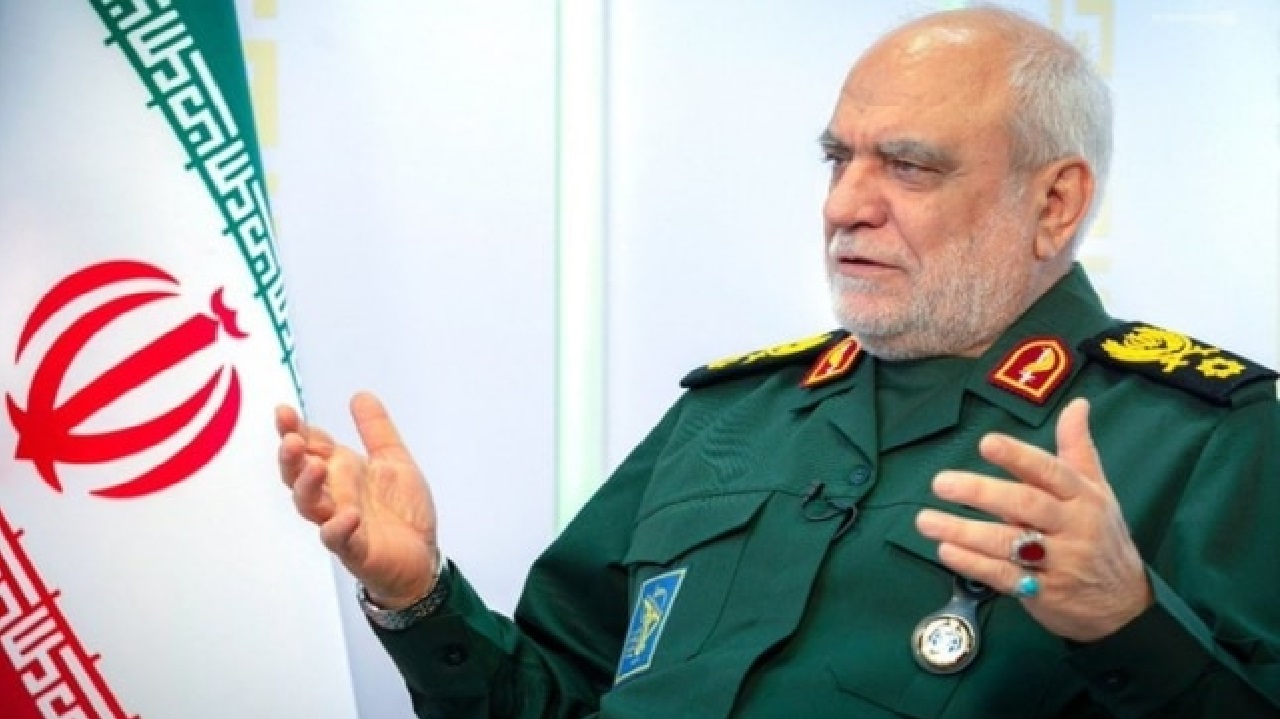
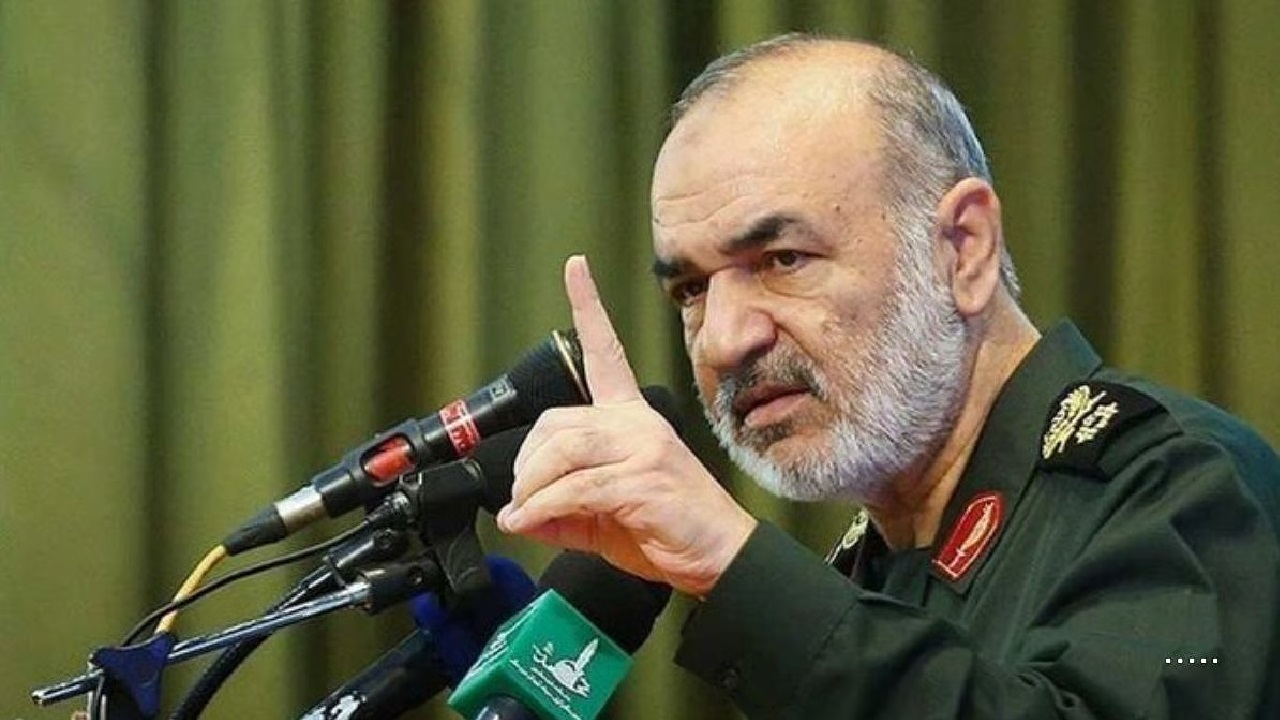
In a major escalation of regional tensions, Israeli strikes killed Major General Mohammad Bagheri, Iran’s Chief of Staff of the Armed Forces, and Major General Hossein Salami, commander of the Islamic Revolutionary Guard Corps (IRGC).
The strikes, described by officials as highly coordinated and intelligence-driven, also hit the IRGC headquarters in Tehran, igniting fires and causing significant damage. Iranian state media, including Tasnim News Agency and the Tehran Times, confirmed the deaths of both Bagheri and Salami, calling it one of the most severe blows to Iran’s military command in recent memory.
Israeli warplanes struck targets in Tehran, Natanz, Isfahan, and other strategic sites. According to reports, some nuclear scientists and senior missile program officials were also among the casualties.
The International Atomic Energy Agency (IAEA) verified that one of the Israeli missiles impacted the Natanz facility, and stated it is “monitoring the situation closely.” The attack has severely disrupted Iran’s enrichment capabilities, which Western agencies believe were months away from achieving weapons-grade uranium stockpiles.
Iran Strikes Back: Drone Assault and Retaliation Plans
Within hours of the assault, Iran vowed vengeance. “Blood for blood,” said a military spokesperson, confirming that Tehran’s retaliation would be “swift and comprehensive.” Iranian drones launched at Israeli targets near the Golan Heights and in the northern regions were largely intercepted, though minor damage was reported at one military installation.
Iran has closed its airspace and mobilized Revolutionary Guard units and allied militias in Iraq, Syria, and Lebanon. Experts warn that retaliatory action from Hezbollah, Houthis, or Kata’ib Hezbollah could follow, potentially opening multiple fronts against Israel.
The Bigger Picture: A Regional War in the Making?
The Israeli airstrikes are being viewed as a turning point in Middle Eastern geopolitics, moving beyond years of shadow warfare, cyberattacks, and proxy conflicts. This is the first time Israel has openly targeted the top echelon of Iran’s military leadership and key nuclear infrastructure in a single strike campaign.
Israel has declared a special state of emergency, and air raid sirens sounded nationwide at 3 AM. Citizens rushed to shelters, bracing for a possible Iranian counter-strike. Meanwhile, U.S. officials confirmed they were not involved in the operation, though some reports suggest Washington was notified in advance. Netanyahu praised former President Donald Trump for laying the groundwork with earlier sanctions and withdrawal from the Iran nuclear deal.
Netanyahu’s Doctrine: Strike First, Survive
Framing the strike as a moral imperative, Netanyahu drew parallels to the Holocaust and cited biblical scripture: “As the Bible teaches us—when someone comes to kill you, rise and act first.”
He emphasized that Israel’s fight is not with the Iranian people but with the “brutal dictatorship in Tehran” that funds terrorism and destabilizes the region. “History will record that our generation stood its ground, acted in time, and secured our future,” Netanyahu said.
Middle East on the Brink
Operation Rising Lion has reshaped the region’s strategic calculus overnight. With two of Iran’s most senior generals killed and key nuclear capabilities crippled, Tehran’s ambitions have suffered a significant setback—but at the cost of triggering what could become a multi-front regional conflict.
The next moves by Iran and its allies will determine whether this confrontation escalates into a broader war—or marks the start of a long and dangerous standoff. What’s clear is that Israel has drawn a bold line: nuclear ambiguity will no longer be tolerated, and pre-emptive strikes are now firmly on the table.
(With agency inputs)