A Diplomatic Recalibration After Years of Strain
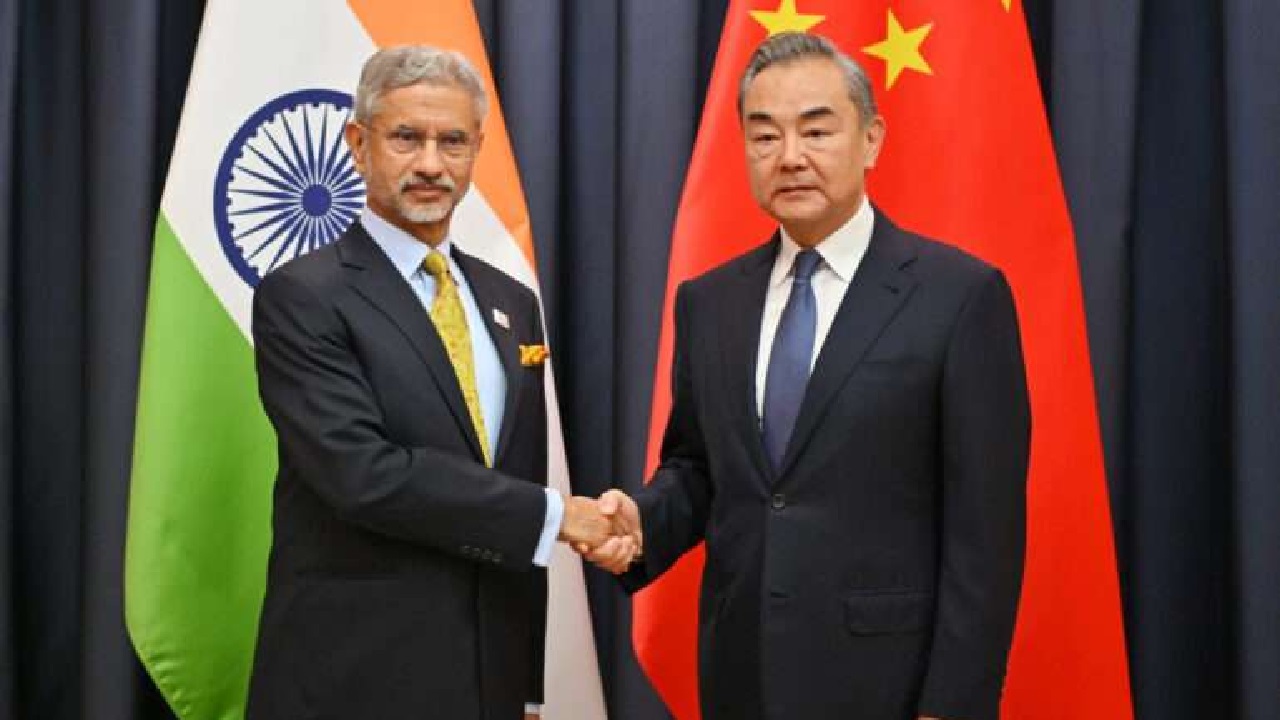
After a five-year hiatus, India’s External Affairs Minister S. Jaishankar visited China on July 14, signaling a renewed effort to reset strained ties between Asia’s two largest nations. Meeting Chinese Vice President Han Zheng in Beijing, Jaishankar emphasized the importance of open dialogue and regional cooperation. His visit comes amid cautious optimism following the 2020 Galwan Valley clash—a turning point that pushed India-China relations to a historic low. Now, with resumed diplomatic exchanges and symbolic gestures like the revival of the Kailash Mansarovar Yatra, both sides appear to be charting a tentative path forward.
A Constructive Opening: Meeting with Han Zheng
In Beijing, Jaishankar conveyed India’s support for China’s presidency of the Shanghai Cooperation Organisation (SCO) and noted “steady improvement” in bilateral relations since Prime Minister Narendra Modi’s meeting with President Xi Jinping in Kazan last October. “Continued normalisation of our ties can produce mutually beneficial outcomes,” he stated, underscoring the importance of regular engagement between neighboring powers and major global economies.
The external affairs minister praised recent positive developments, including the revival of the Kailash Mansarovar Yatra—an emotionally resonant move for many Indians—and the recognition of the 75th anniversary of diplomatic relations between the two countries.
From Tension to Talk: Post-Galwan Diplomacy in Motion
Jaishankar’s visit is part of a broader strategy by both nations to stabilize their relationship after the 2020 military standoff in eastern Ladakh. The Galwan Valley clash—resulting in casualties on both sides—marked the worst border confrontation in over four decades and cast a long shadow on diplomatic exchanges. In the aftermath, regular communication through established channels like the Special Representatives (SR) dialogue was largely suspended.
Now, however, bilateral engagement is resuming. Jaishankar’s visit follows trips by Defence Minister Rajnath Singh and National Security Advisor Ajit Doval in June. Doval, in particular, has played a key role in reviving the SR mechanism, with Chinese Foreign Minister Wang Yi expected to visit India next month as part of this effort.
Emphasis on Multilateralism and Strategic Stability
Jaishankar also addressed the “complex” global landscape, noting that India and China, as neighboring nations and major economies, have a responsibility to engage openly and constructively. The backdrop of global instability—including economic headwinds, regional conflicts, and strategic rivalries—adds urgency to their dialogue. His remarks reflect India’s broader foreign policy approach: pragmatic engagement even amid unresolved tensions, particularly on the border.
This pragmatism is evident in Jaishankar’s planned participation in the SCO Council of Foreign Ministers’ Meeting in Tianjin on July 15. His visit reflects New Delhi’s ongoing effort to leverage multilateral forums for regional stability while managing bilateral frictions through sustained dialogue.
Public Messaging: A Tone of Optimism, with Caution
Following the meeting, Jaishankar posted on social media, “Pleased to meet Vice President Han Zheng… Noted the improvement in our bilateral ties. And expressed confidence that discussions during my visit will maintain that positive trajectory.” The tone was diplomatic yet cautiously hopeful—indicative of the careful balancing act both sides are attempting. It also acknowledges that while the relationship remains fragile, avenues for cooperation are re-emerging.
A Delicate Reset, Built on Dialogue
Jaishankar’s first visit to China since 2019 is more than a symbolic gesture—it is a measured attempt to bring India-China ties back to a constructive footing after years of mistrust and confrontation. Though the core issues—especially the border dispute—remain unresolved, the revival of diplomatic mechanisms and people-to-people initiatives like the Mansarovar Yatra suggest a soft thaw.
The path forward will be gradual and fraught with complexities, but both nations appear to recognize the cost of prolonged hostility. In a turbulent international environment, regional stability between these two Asian giants is not just desirable—it’s essential.
(With agency inputs)