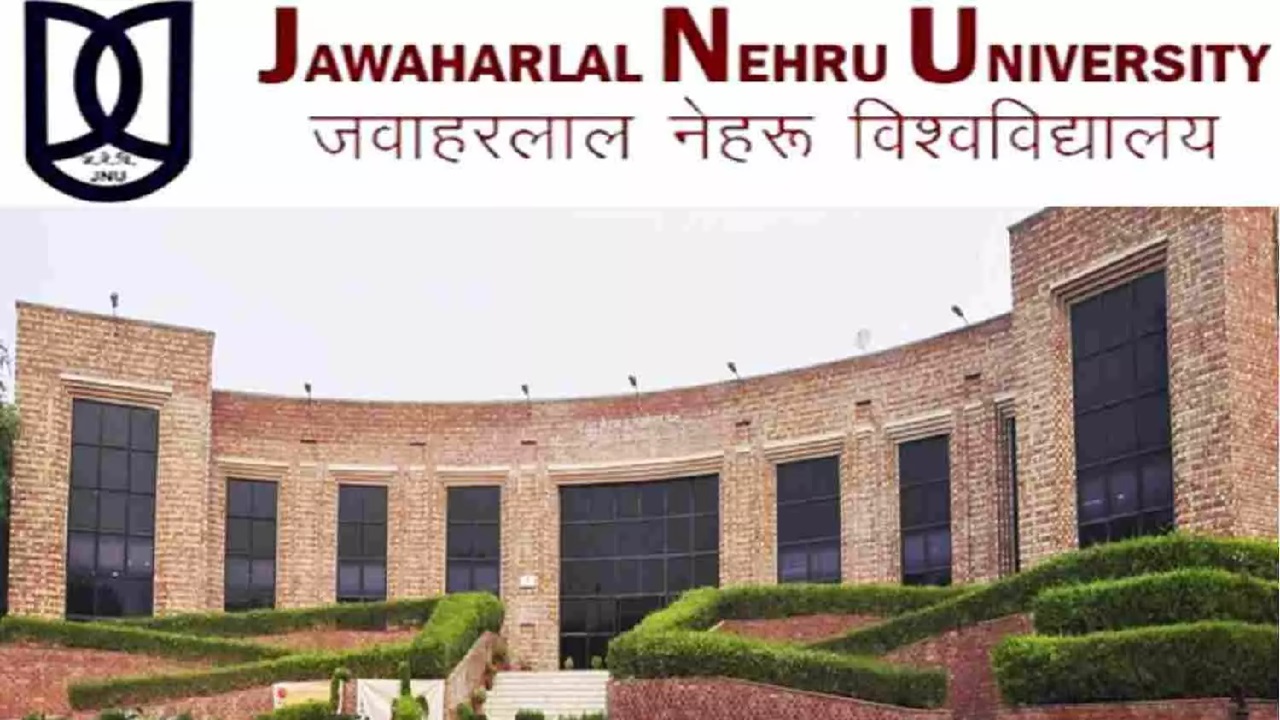
JNU’s Storied Legacy at Risk
Jawaharlal Nehru University (JNU) has long been celebrated as one of India’s premier public universities, renowned for its progressive thought, rigorous research, and inclusive ethos. Established as a hub for academic excellence and critical inquiry, JNU attracted students and scholars nationwide, shaping debates on politics, society, and culture. Yet, a new report by the JNU Teachers’ Association (JNUTA) paints a starkly different picture, raising alarms that the university’s academic strength, inclusivity, and autonomy are under severe threat.
The findings reveal that academic budgets have been slashed by 36%, while women and research student enrolments have declined to around 40%, signaling a systemic erosion of the institution’s core values.
Funding Cuts and Erosion of Academic Priorities
JNUTA’s 80-page ‘State of the University’ report highlights the dramatic drop in JNU’s academic spending—from ₹30.28 crore in 2015–16 to ₹12.78 crore in 2021–22, a nearly 58% reduction. Core academic activities, including fieldwork, laboratory work, and seminars, have been disproportionately affected, weakening the very foundation of research and innovation.
The outsourcing of entrance examinations to the National Testing Agency (NTA) has exacerbated the financial strain. Previously, application fees supported exam costs, but under NTA management, JNU loses revenue while incurring extra expenses, a move the teachers describe as a costly trade-off that undermines autonomy.
Women and Research Scholars Disappearing
The report shows a steady decline in women students and research scholars, reversing decades of progress in gender and regional equity. This trend followed the scrapping of JNU’s own entrance exams and the deprivation points system, previously instrumental in promoting diversity. JNUTA warns that CUET-based admissions under NTA prioritize administrative convenience over academic inclusivity, eroding the university’s once vibrant and diverse campus culture.
Autonomy and Governance Under Strain
Governance issues compound the crisis. JNUTA highlights that statutory bodies like the Academic Council and Executive Council are being reduced to rubber stamps, with only four Academic Council meetings held since 2022, often lasting less than an hour. Discretionary appointments of deans and chairpersons, bypassing seniority norms, and the replacement of in-depth discussions with online meetings, signal a troubling centralization of authority that stifles debate and academic freedom.
Faculty Frustration and Infrastructure Woes
Over 276 faculty members are eligible for promotions, yet only 90 cases have been processed, leaving many trapped in bureaucracy. Campus infrastructure is deteriorating: labs lack funding, hostels await repairs, and the JNU crèche remains closed, even as other central universities maintain day-care facilities. These issues underscore a misalignment of priorities, placing students and faculty at a disadvantage.
Rebuilding Before It’s Too Late
JNU’s crisis is not just financial but existential. With shrinking budgets, declining diversity, and faculty frustration, the report warns of a slow dismantling of one of India’s most respected universities. Restoring funding, autonomy, and academic freedom is essential to prevent the “death by a thousand cuts” that could erode its legacy.
For JNU, the path forward lies in reaffirming its mission of access, excellence, and critical inquiry, ensuring that the university remains a beacon of knowledge, inclusivity, and progressive thought for generations to come.
(With agency inputs)