The Significance of Khandagiri Mela
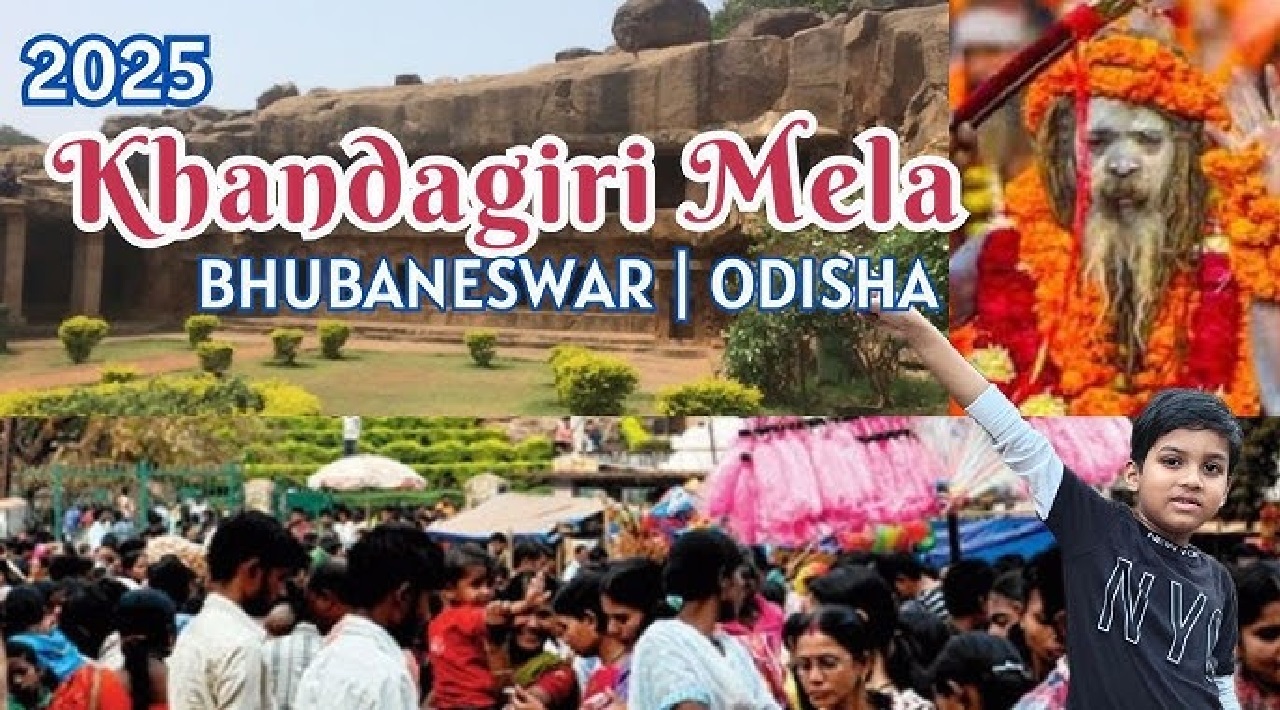
The annual Khandagiri Mela, also known as the Khandagiri Kumbh Mela, is a revered religious and cultural fair held at the foothills of Khandagiri and Udayagiri in Bhubaneswar. Celebrated on Magha Saptami, the seventh day of the holy month of Magha, this nine-day festival draws thousands of devotees, ascetics, and tourists from across India. The fair is a grand convergence of spirituality, mythology, and Odisha’s rich cultural heritage.
With its deep-rooted connections to ancient Hindu traditions, Khandagiri Mela is much more than just a religious gathering. It is a beacon of faith, healing, and devotion, offering a glimpse into the age-old customs and artistic brilliance of the state.
Historical and Mythological Roots
The origins of Khandagiri Mela are intertwined with Hindu mythology, particularly the legend of Samba, the son of Lord Krishna. According to ancient scriptures, Samba suffered from leprosy as a result of a curse by the revered sage Durvasa. Seeking redemption, he turned to Surya Dev, the Sun God, for divine intervention. After taking a holy dip in the sacred waters of Chandrabhaga beach in Konark, he journeyed to the tranquil hills of Khandagiri and Udayagiri, where he meditated and eventually found healing.
This tale of faith and transformation has solidified Khandagiri as a sacred site for spiritual rejuvenation. To this day, sadhus and devotees from various pilgrimage sites such as Kashi, Varanasi, and Ayodhya undertake the same ritual in the hopes of experiencing divine blessings and purification.
The Grand Spiritual Procession and Rituals
Every year, the festival kicks off with a vibrant spiritual procession led by the locals of Jagamara, carrying the idol of Lord Anant Keshari in a palanquin to the Udayagiri foothills. The atmosphere brims with devotion as sacred yajnas (fire rituals) are performed by the ascetics, filling the air with the resonating chants of ancient mantras and the soothing aroma of incense.
Many sadhus first cleanse themselves by taking a holy dip in Chandrabhaga before proceeding to Khandagiri. The belief in the hills’ healing powers continues to attract people seeking spiritual solace and divine intervention.
A Cultural and Artistic Extravaganza
Beyond its religious significance, Khandagiri Mela is a grand celebration of Odisha’s cultural and artistic diversity. The fairground transforms into a vibrant marketplace, offering a variety of local handicrafts, including intricate appliqué work, exquisite pottery, and other handmade artifacts. Traditional folk performances, spiritual discourses, and local theatrical acts create a mesmerizing experience for visitors.
However, the Bhubaneswar Municipal Corporation (BMC) has issued strict guidelines to preserve the cultural sanctity of the event. Commissioner Rajesh Prabhakar Patil has warned Jatra party owners against including any obscene dance performances, emphasizing that any violation will result in stringent action. The directive aims to uphold the festival’s dignity and maintain its sacred essence.
The Legacy of Khandagiri Mela
Khandagiri Mela continues to serve as a bridge between Odisha’s rich past and its evolving cultural landscape. By blending religious rituals with artistic expression, the festival offers a unique platform for spiritual seekers and cultural enthusiasts alike.
The annual congregation is a testament to the enduring faith of devotees and the deep-rooted traditions that define Odisha’s identity. As generations gather each year to participate in its time-honoured customs, Khandagiri Mela remains a shining symbol of cultural preservation and spiritual enlightenment, ensuring that its legacy thrives for years to come.
(With inputs from agencies)