A Record-Breaking Moment for Inclusive Education
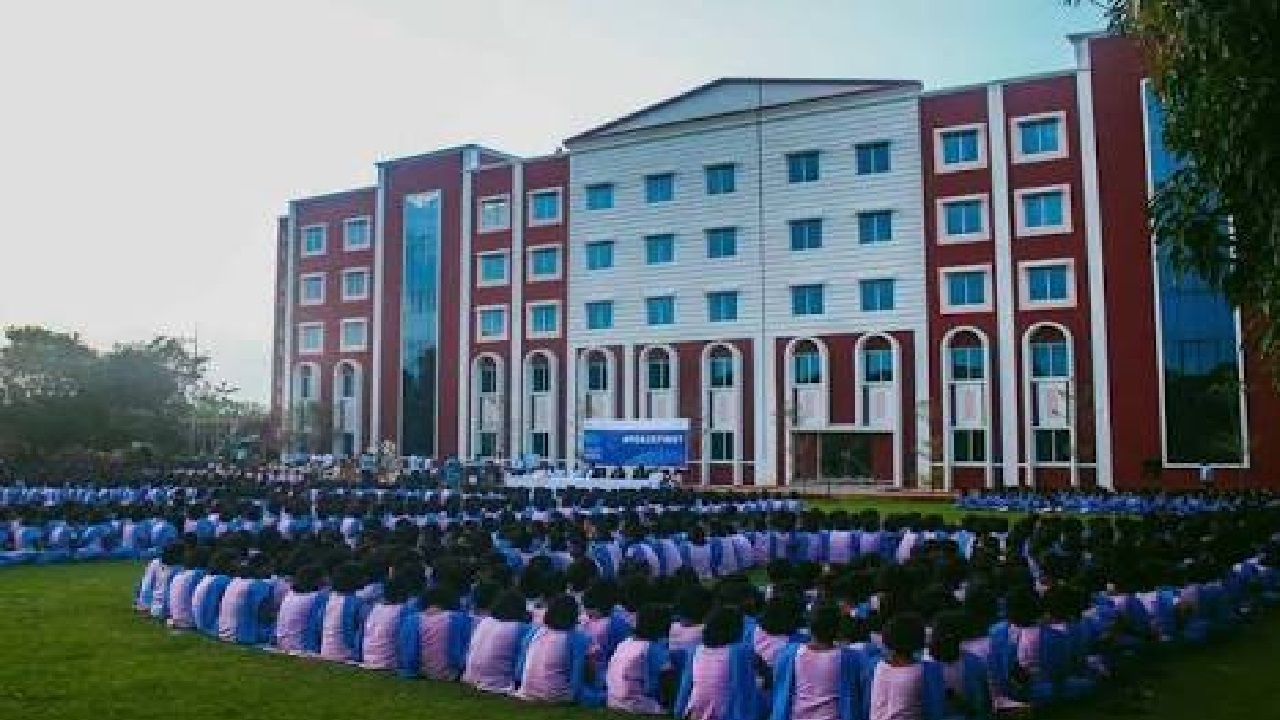
Over 2,100 students from the Kalinga Institute of Social Sciences (KISS) are set to appear for the Odisha Board of Secondary Education matriculation examination in 2026, marking the largest number of candidates from any single institution in India at this level. The cohort—comprising roughly 1,100 girls and 1,000 boys—reflects the scale and ambition of one of the country’s most prominent residential education initiatives for tribal communities. The milestone is not merely numerical; it signals the consolidation of a long-term model of educational inclusion that has steadily expanded over three decades.
Education as Social Transformation
The matric examination remains a critical turning point in India’s school system, often determining access to higher education and employment pathways. For students from marginalised tribal communities, this stage carries additional significance, as systemic barriers frequently limit educational attainment. KISS, which provides free residential education to tens of thousands of indigenous students, has positioned itself as a bridge between remote communities and mainstream opportunities. Its consistent pass rates and growing participation demonstrate the potential of large-scale, mission-driven schooling to narrow socio-economic gaps.
Scale, Support Systems and Academic Outcomes
The 2026 cohort will take exams across multiple centres in Bhubaneswar, supported by extensive logistical arrangements including dedicated transportation and mentoring programmes. KISS has reported strong academic outcomes over the years, including a sustained high pass rate and a rising share of first-division scores. The presence of more girls than boys in the cohort highlights progress in gender inclusion within tribal education—an area historically marked by disparities.
The institution’s approach combines formal curriculum delivery with residential care, healthcare services, and extracurricular development. This integrated model ensures continuity in schooling for children from remote or economically disadvantaged backgrounds. By aligning with state curriculum requirements while maintaining its own support ecosystem, KISS has been able to scale enrolment without significantly compromising academic performance.
Dr. Achyuta Samanta: From Adversity to Institution Builder
The vision behind KISS is closely tied to its founder, Achyuta Samanta. Born into poverty in rural Odisha, Samanta overcame significant hardship to pursue higher education, eventually establishing the Kalinga Institute of Industrial Technology (KIIT) in 1992. The following year, he founded KISS with the goal of offering free, holistic education to tribal children who lacked access to basic schooling.
Starting with a handful of students, KISS has grown into one of the world’s largest residential institutions dedicated to indigenous education, serving tens of thousands from primary school through higher education. Samanta’s philosophy emphasises not only academic instruction but also nutrition, healthcare, vocational training, and cultural preservation. His model seeks to address the structural causes of poverty and educational exclusion simultaneously, thereby creating pathways to long-term social mobility.
Broader Significance and Replicability
The scale of the 2026 matric cohort underscores the expanding reach of private philanthropic models in India’s education landscape. KISS demonstrates how sustained investment and integrated services can deliver measurable outcomes for historically marginalised communities. Its alignment with national goals on equity and inclusion, including the emphasis on universal education and gender parity, positions it as a potential template for replication in other underserved regions.
A Milestone Beyond Numbers
The participation of 2,100 KISS students in the Odisha matric examination is more than a record—it represents the maturation of a long-term experiment in inclusive education. By combining scale with sustained support, the institution has shown that large cohorts of disadvantaged students can achieve consistent academic success. As India continues to grapple with educational inequality, the KISS model offers a compelling case study in how targeted, mission-driven institutions can transform lives at scale.
(With agency inputs)