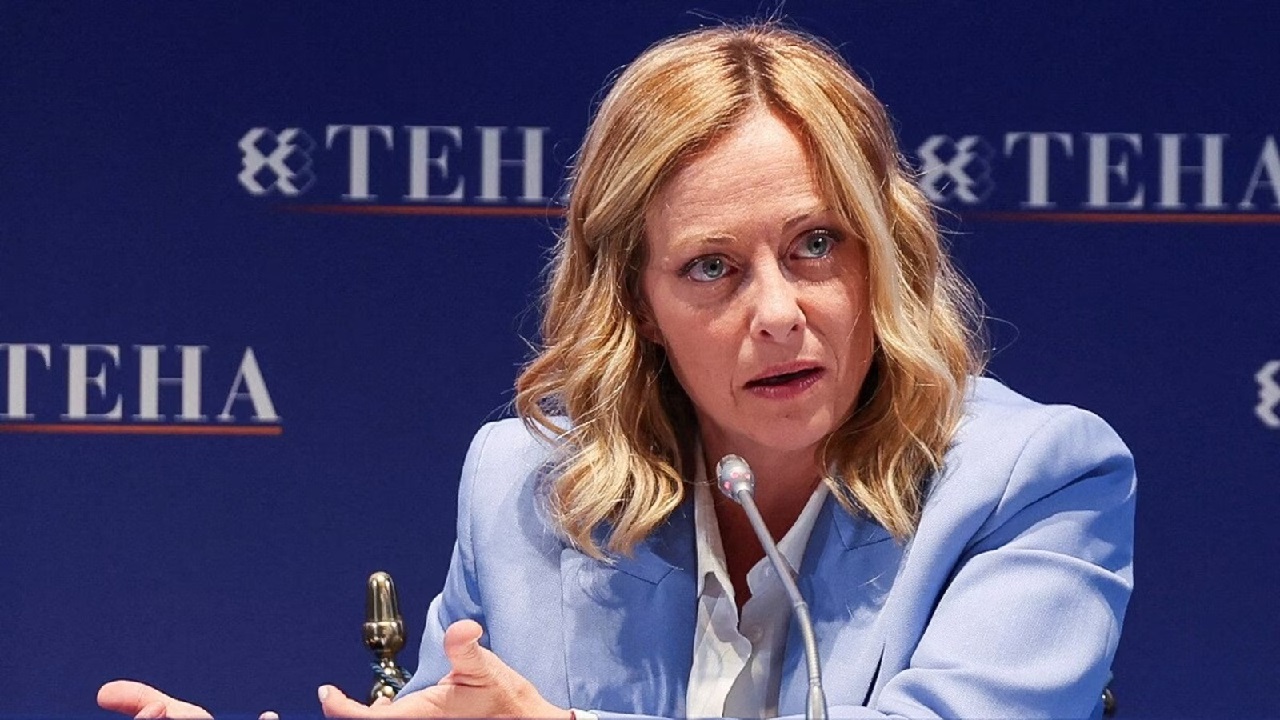
Meloni Backs India as Key Player in Global Peace Efforts
India at a Diplomatic Crossroads
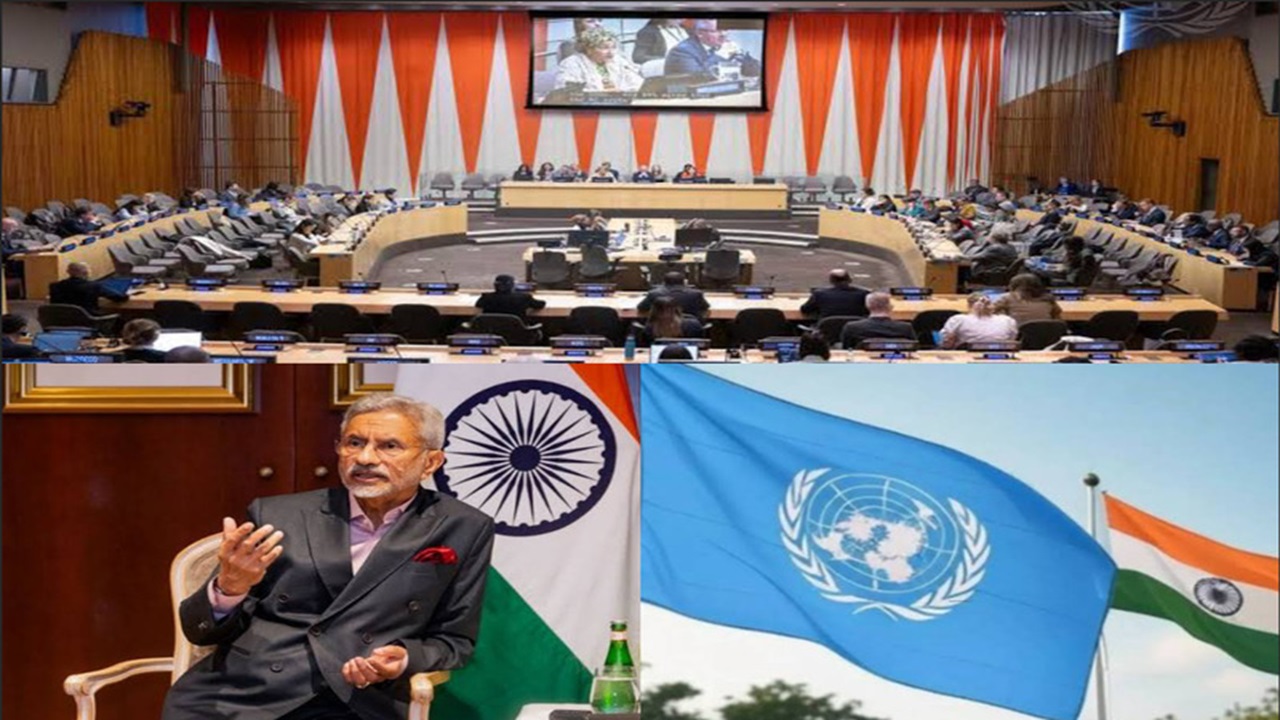
At the 80th United Nations General Assembly in New York, Italian Prime Minister Giorgia Meloni issued a pointed observation: India can—and should—play a decisive role in resolving wars. Her remarks, delivered on the sidelines of a forum dominated by the crises in Ukraine and Gaza, underline the mounting expectation that New Delhi move from being a cautious observer to an active peace-broker. The question is no longer whether India is credible enough to mediate, but whether it is willing to shoulder that responsibility.
Modi and Meloni: A Convergence of Vision
The warmth between Prime Minister Narendra Modi and Giorgia Meloni has become emblematic of a new chapter in India–Italy relations. Their regular conversations—most recently focused on Ukraine, trade, and the India–Middle East–Europe Economic Corridor (IMEEEC)—signal more than diplomatic niceties. They reflect a joint ambition: to reposition their countries as serious players in shaping global outcomes. The Joint Strategic Action Plan 2025–29, covering defence, technology, and counter-terrorism, is not just a checklist of cooperation but a roadmap for long-term alignment. In this context, Meloni’s explicit faith in India’s peace-making ability is both a compliment and a challenge.
The Ukraine Dilemma: Opportunity or Burden?
India’s posture on Ukraine has been deliberate: refusing to condemn Russia outright while urging dialogue at every opportunity. Modi’s famous remark “this is not an era of war”—struck a chord internationally, even as it allowed India to preserve ties with both Moscow and Western capitals. This balancing act gives India leverage. But leverage unused risks becoming irrelevant. As the war drags on into its third year, inflicting human suffering and destabilizing global markets, the world’s expectation is clear: India cannot sit on the fence forever. Meloni’s words amplify that sentiment.
Beyond Trade: The Stakes of Partnership
Italy’s strong backing for an early India–EU Free Trade Agreement (FTA) adds another layer to this relationship. For Rome, stronger economic ties with India are as critical as geopolitical alignment. By rooting for India’s leadership in forums such as the upcoming AI Impact Summit and in projects like IMEEEC, Meloni is signaling that Italy sees India not just as a partner but as a pillar of a new multipolar order. For New Delhi, this trust brings diplomatic capital—but also accountability. If Italy is prepared to bet on India as a mediator, it sharpens the argument that India must go beyond rhetoric and deliver results.
Should India Step In?
Yes—India should. Remaining a passive voice of “dialogue” risks diminishing its growing global stature. As one of the few nations with lines open to both Kyiv and Moscow, New Delhi is uniquely placed to test backchannel talks, facilitate humanitarian corridors, or even frame preliminary ceasefire proposals. True, mediation carries risks: alienating Russia, frustrating the West, or overcommitting where success is uncertain. But great powers are not defined by caution—they are defined by the ability to take calculated risks in the pursuit of peace.
A Defining Choice Ahead
Giorgia Meloni’s endorsement was not mere flattery. It was a reminder that the world sees India as more than a rising economic power; it sees a potential arbiter in times of crisis. With Italy firmly aligning its vision with India under the Modi–Meloni era, the opportunity is ripe for New Delhi to step onto the global stage as a mediator. If India aspires to lead in a multipolar world, this is the moment to prove it—not by echoing calls for dialogue, but by engineering it.
(With agency inputs)