The Workhorse of Indian Air Power
For more than six decades, the MiG-21 has been the face of the Indian Air Force (IAF)—a supersonic interceptor that evolved into a trusted combat companion. Introduced in the early 1960s, this Russian-origin jet was once the very symbol of speed and agility, shaping generations of fighter pilots and forming the backbone of India’s aerial defense. Now, after a storied career, the IAF has begun bidding its final farewell to the legendary machine.
A Pilot’s Farewell to an Old Companion
In a poignant tribute, Air Chief Marshal A.P. Singh returned to the cockpit of the MiG-21 at Nal Air Force Station in Bikaner, flying solo sorties on August 18 and 19. For him, the flights were deeply personal—a journey back to his formative years in the mid-1980s when he first mastered the aircraft. His participation underscored the symbolic weight of this retirement, not just for the Air Force but for countless aviators who began their careers on the MiG-21.
The formal send-off will come on September 26 in Chandigarh, the same base where the aircraft was first inducted in 1963.
The Icon of the Skies
Compact in design yet formidable in performance, the MiG-21 could climb more than 250 metres per second and reach supersonic speeds with remarkable ease. While it demanded precision and discipline, it rewarded pilots with unmatched maneuverability. Globally, the aircraft remains among the most mass-produced fighters in aviation history, with over 11,000 built for more than 60 air forces.
For India, it was more than a jet—it became a symbol of national defense capability during a time of rapid geopolitical shifts.
Combat Legacy Across Wars
The MiG-21 first saw action in the 1965 India-Pakistan conflict but cemented its reputation during the 1971 war, when it delivered decisive strikes, including the bombing of Dhaka that hastened Pakistan’s surrender. It remained active across later decades: in 1999 during the Kargil War, when a MiG-21 brought down a Pakistani reconnaissance aircraft, and as recently as 2019, when a Bison variant shot down an F-16 in a rare dogfight victory.
Such episodes ensured its place not only in the Air Force’s arsenal but also in the nation’s military memory.
Modernisation and Limitations
Across six decades, the aircraft underwent successive upgrades, culminating in the Bison version fitted with advanced radar, avionics, and modern missiles. Despite these enhancements, the platform has become increasingly difficult to sustain. Ageing airframes, high maintenance demands, and limitations against contemporary fighters gradually made retirement inevitable. Today, only two squadrons remain, both scheduled to phase out next month.
Passing the Baton to the Future
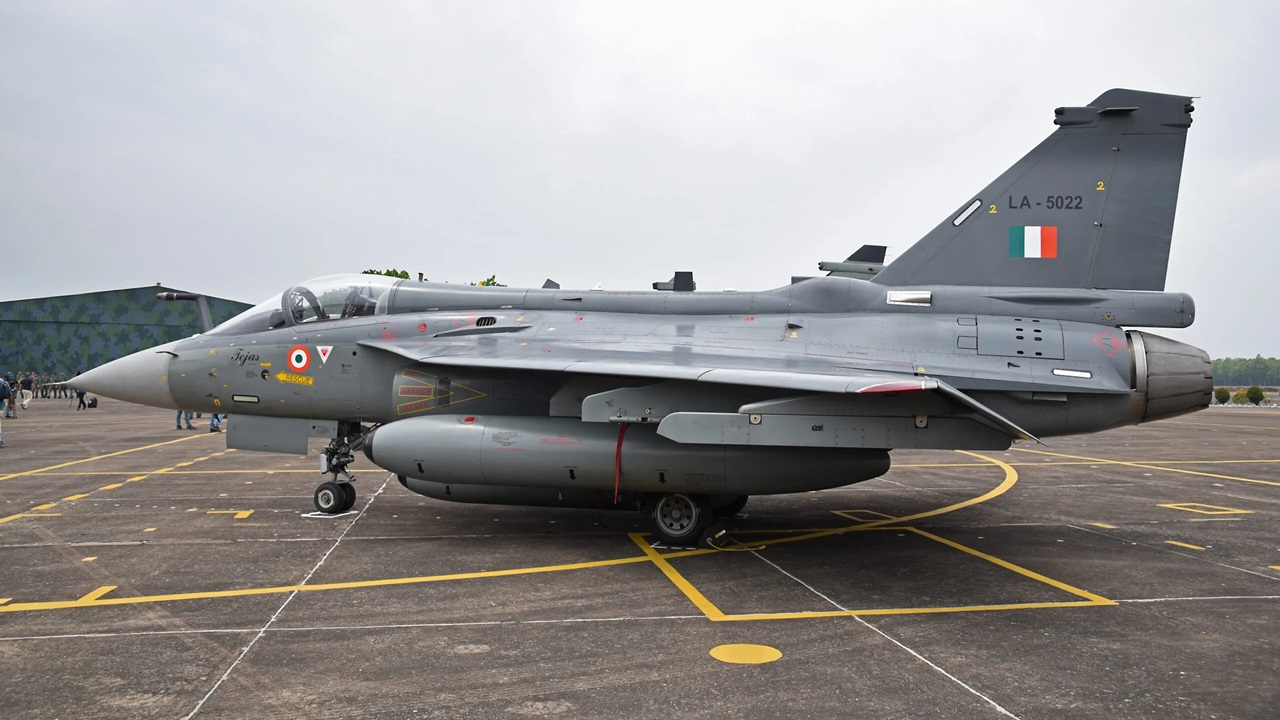
With the MiG-21’s chapter closing, the IAF is shifting its reliance to newer platforms. Indigenous Tejas Light Combat Aircraft has been positioned as the rightful successor, echoing the MiG’s lightweight philosophy while offering adaptability for future technologies. A contract for 83 Tejas jets has already been signed, marking a decisive step toward self-reliance. Alongside Tejas, modern aircraft such as the Rafale and the Su-30MKI will shoulder the combat responsibilities once borne by the MiG-21.
This transition signifies not just a replacement but a reimagining of India’s air power in line with modern warfare needs.
Closing One Chapter, Opening Another
The retirement of the MiG-21 marks the end of an era that shaped Indian air defense for over half a century. Its legacy lies not only in the battles it fought but in the countless pilots it trained and the resilience it symbolized. As India prepares to bid farewell in Chandigarh, the focus now shifts to the future—one defined by homegrown innovation, cutting-edge technology, and a renewed commitment to aerial supremacy.
The MiG-21 may leave the skies, but its spirit of speed, simplicity, and strength will continue to inspire the IAF as it embarks on its next chapter.
(With agency inputs)