Al-Udeid on Alert: Mobility Replaces Permanence
At Qatar’s al-Udeid Air Base—the largest American military installation in the Middle East—U.S. forces have quietly shifted Patriot air-defence systems from fixed emplacements onto mobile truck launchers. Satellite imagery from early February 2026 shows missile batteries mounted on heavy tactical vehicles, allowing rapid redeployment across the sprawling base. The move comes as friction with Iran has intensified since January, with Washington reinforcing its defensive posture and Tehran warning of retaliation against U.S. assets in the region. The transition to mobile launchers suggests planners are preparing for a more fluid and potentially volatile threat environment in which fixed infrastructure could become easy targets.
A Region on Edge
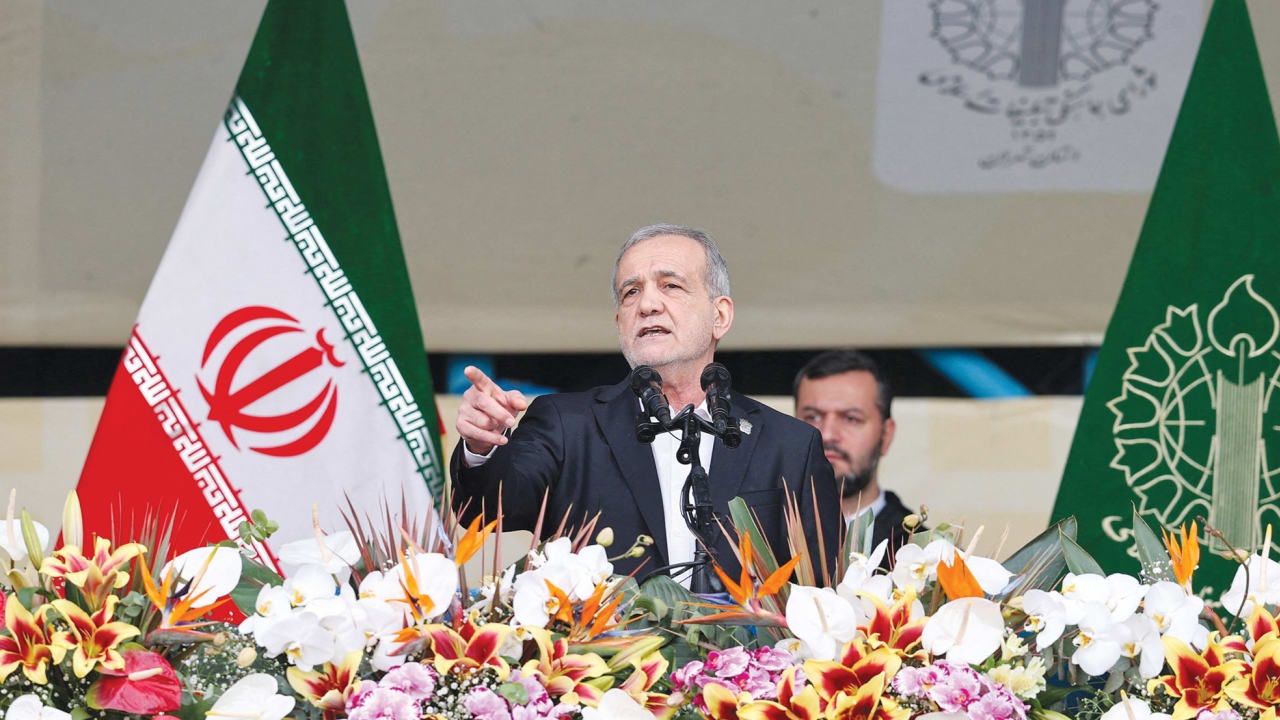
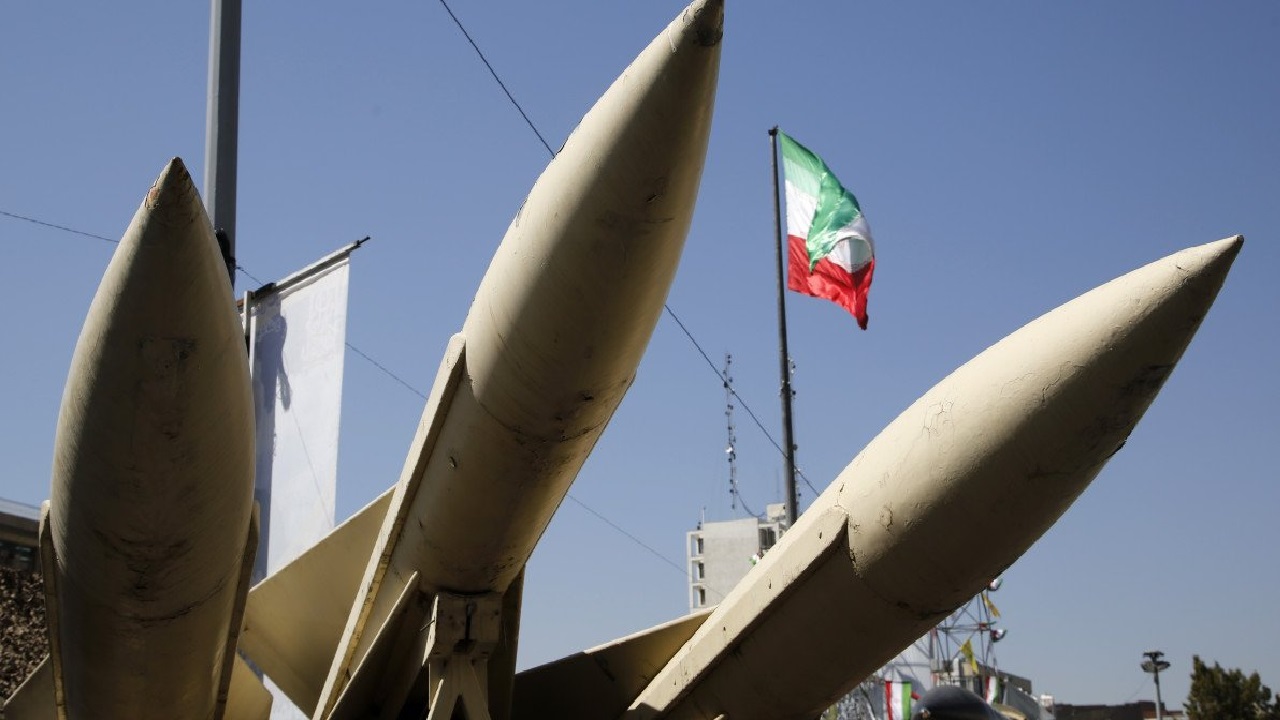
The latest adjustments at al-Udeid reflect a broader deterioration in U.S.–Iran relations. Renewed sanctions pressure, stalled nuclear diplomacy, and escalating rhetoric have revived fears of confrontation. Iranian officials have repeatedly signalled that American bases across the Gulf fall within range of their missile arsenal, while U.S. commanders stress deterrence and readiness. Against this backdrop, repositioning defensive systems is less about immediate conflict and more about reducing vulnerability to sudden missile or drone strikes.
Expanding Military Footprint
Al-Udeid remains the nerve centre of U.S. Central Command’s air operations, supporting surveillance, refuelling and strike missions across the Middle East. Recent satellite assessments indicate an uptick in tanker aircraft, transport planes and reconnaissance platforms, underscoring heightened operational tempo. Beyond Qatar, Washington has reinforced other key sites. In Jordan, the Muwaffaq Salti (Azraq) Air Base has seen deployments of F-15E strike fighters and A-10 aircraft, along with additional air-defence systems. These assets enhance both offensive reach and base protection, positioning Jordan as a critical staging ground for contingency operations.
Elsewhere, naval forces in the Gulf and Arabian Sea provide further deterrence. Carrier-based aircraft and long-range bombers add depth to the U.S. presence, while logistics hubs such as Diego Garcia remain on standby. The cumulative effect is a dispersed but interconnected network designed to absorb shocks and respond quickly if tensions escalate.
The Logic of Mobility
Military analysts view the shift to truck-mounted missile systems as a calculated adaptation. Mobile defences complicate an adversary’s targeting calculus, making it harder to neutralise critical assets in a single strike. They also allow commanders to reposition batteries based on evolving intelligence, providing flexibility in a region where missile and drone capabilities are proliferating. Iran’s expanding arsenal and the activities of allied militias across the region have reinforced the need for such agility.
Strategic Implications
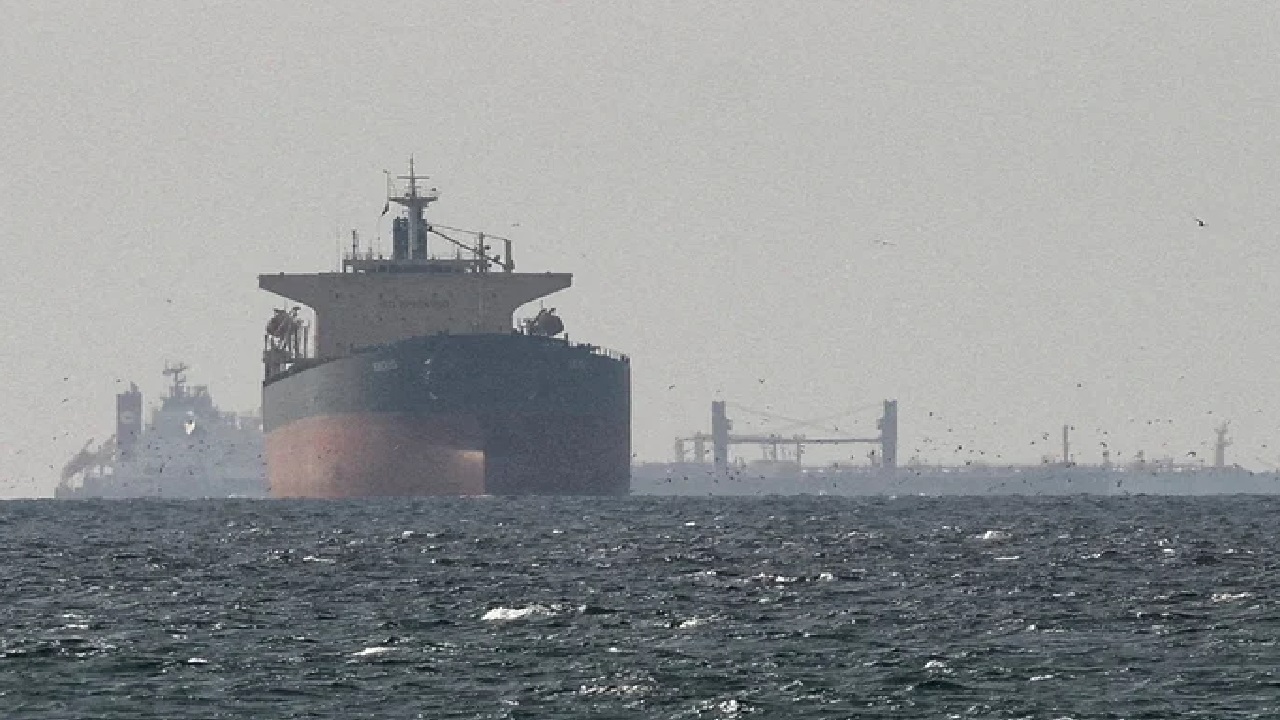
The build-up across Qatar, Jordan and surrounding waters signals a familiar balancing act: demonstrating strength while attempting to avoid open conflict. For Gulf states hosting U.S. forces, the presence offers security assurances but also raises the stakes in any potential escalation. Energy markets and shipping routes, particularly the Strait of Hormuz, remain sensitive to even limited clashes.
Deterrence in Motion
The reconfiguration of missile defences at al-Udeid is emblematic of a wider shift toward mobility and resilience in U.S. regional strategy. Rather than signalling imminent war, the adjustments point to a military posture geared toward deterrence under uncertain conditions. Yet the combination of hardened rhetoric, expanding deployments and fragile diplomacy means the margin for miscalculation remains thin. In the Gulf’s evolving security landscape, mobility may buy time—but it does not eliminate the risks of confrontation.
(With agency inputs)