



A Tariff Dispute Turns Personal
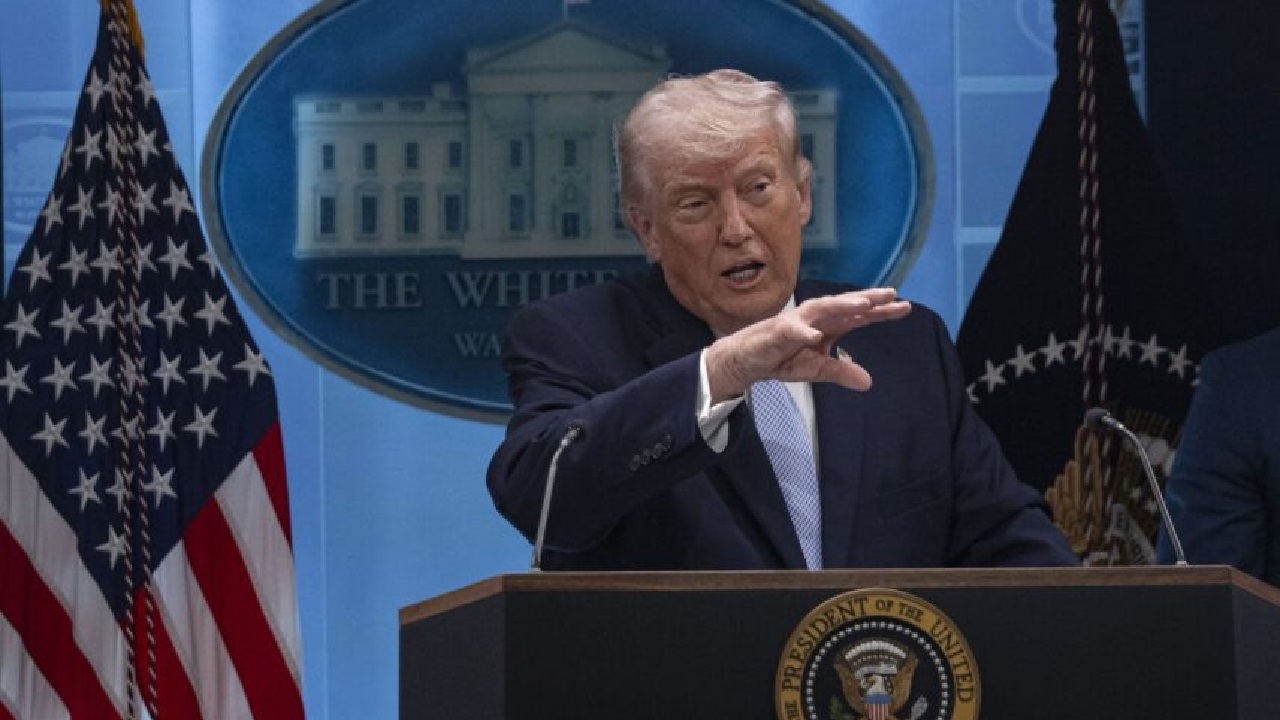
The ongoing trade dispute between Washington and New Delhi has taken an unexpected turn, with reports that Prime Minister Narendra Modi declined to answer at least four phone calls from U.S. President Donald Trump. According to German daily Frankfurter Allgemeine Zeitung (FAZ), this rare diplomatic snub reflects India’s growing frustration with Washington’s escalating tariff measures. The new duties—amounting to 50% on almost half of Indian exports—come amid heightened tension over India’s purchase of Russian oil and growing divergences in regional geopolitics.
Trump’s Latest Tariff Strike
On August 6, Washington announced a dramatic hike in tariffs on Indian goods, raising duties from 25% to 50%. The justification offered was India’s continued import of Russian crude oil, which the White House claims indirectly funds Moscow’s war in Ukraine. Homeland Security confirmed that these new tariffs would apply to all Indian goods entering U.S. markets from August 27 onward.
The burden is substantial: roughly one-fifth of India’s exports are destined for the United States, and with nearly half of those shipments now facing a 50% levy, analysts warn of a potential slowdown in India’s GDP growth—from a projected 6.5% to as low as 5.5%.
FAZ Report: Modi’s Silent Message
The FAZ report, widely cited in Europe, alleges that President Trump attempted to reach Modi four times in recent weeks, only to be met with silence. The newspaper suggests Modi felt “insulted” by the unilateral nature of Washington’s tariff decision, interpreting his refusal to engage as both irritation and caution.
Japanese publication Nikkei Asia echoed the claims, noting that Modi’s silence has intensified Trump’s frustration. While neither government has officially commented on these reports, the perception of a diplomatic freeze has grown louder in policy circles.
Beyond Tariffs: Shifting Perceptions of Trump in India
According to FAZ, Trump’s image in India has soured further due to his overtures toward Pakistan following “Operation Sindoor,” a recent four-day military flare-up in May. By claiming credit for brokering a truce between the two nuclear powers, Trump not only sidelined New Delhi but also hinted at using trade threats to push Modi toward concessions.
His July 31 remarks—“I don’t care what India does with Russia. They can take their dead economies down together”—only reinforced the impression of hostility. For India, such rhetoric risks undermining trust, particularly at a time when Washington claims it wants New Delhi at the heart of its Indo-Pacific strategy.
India’s Firm Stand: Farmers and Sovereignty First
At the core of Modi’s response is a commitment to protect India’s farmers and small industries, which would be disproportionately hurt by steep tariffs on textiles, leather, and agricultural-linked exports. Indian officials have reiterated that the government will “never compromise” on core economic interests, regardless of U.S. pressure.
New Delhi has also begun preparing contingency measures: financial support for exporters, diversification into new markets across Asia, the Middle East, and Latin America, and efforts to expand trade with China despite political rivalries. These steps are designed to reduce dependence on U.S. markets and blunt the immediate shock of Washington’s tariffs.
Wider Implications: Indo-Pacific Alignment Under Strain
The clash highlights a deeper strategic concern—America’s vision of an Indo-Pacific alignment. For years, Washington has projected India as a key counterbalance to China. But New Delhi’s refusal to bend under tariff threats underscores its insistence on an independent foreign policy, one that balances ties with Moscow while safeguarding domestic economic interests.
Analysts suggest that if Washington continues to treat trade and security as interchangeable levers, its long-term influence over India could weaken, leaving the Indo-Pacific strategy vulnerable.
India’s Calculated Resilience
The tariff battle between India and the United States is more than a trade dispute—it is a test of wills between two leaders with starkly different approaches. While Trump leans on tariffs and threats, Modi is projecting quiet defiance, signaling that India will not yield to unilateral pressure.
By diversifying exports, supporting domestic producers, and holding firm on sovereignty, India is charting a path that cushions immediate economic shocks while strengthening its long-term autonomy. The message from New Delhi is unmistakable: friendship with Washington is valuable, but not at the expense of India’s farmers, industries, and strategic independence.
(With agency inputs)