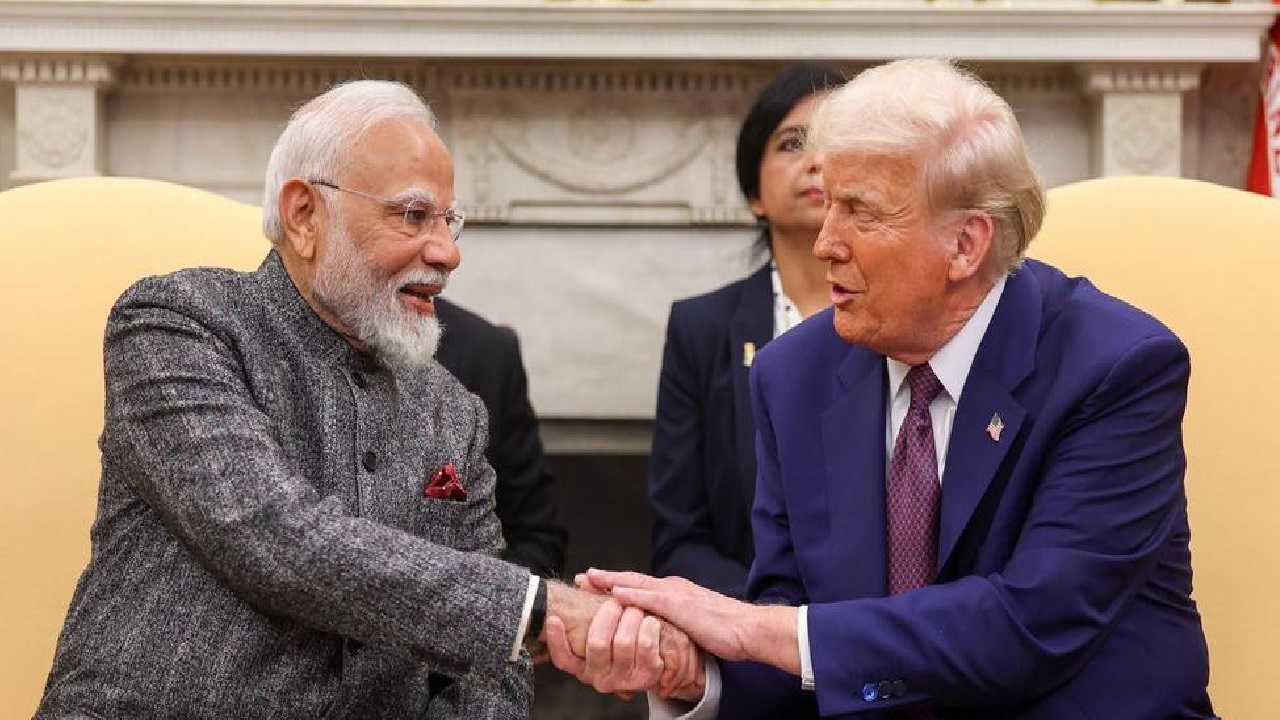
From Tariff Shock to Dialogue
India–US trade relations have often swung between cooperation and confrontation, with tariffs under President Donald Trump creating a particularly sharp divide. Trump’s decision to double duties on Indian goods — reaching as high as 50 percent, including extra levies linked to India’s Russian crude oil imports — was seen in New Delhi as both punitive and discriminatory. Yet despite these disruptions, both sides have recently shown willingness to reengage, hinting at a fresh chapter in bilateral economic ties. Prime Minister Narendra Modi’s latest response to Trump’s outreach underscores this shift toward dialogue.
Modi’s Assurance: Partnership Beyond Disputes
On Wednesday, Prime Minister Modi took to social media to affirm that trade teams from New Delhi and Washington are working diligently to wrap up negotiations at the earliest. Sharing Trump’s post, he described the United States as a “close friend and natural partner,” emphasizing his belief that these discussions would unlock “unlimited possibilities” for cooperation. Modi added that he looks forward to speaking directly with Trump to accelerate the process, projecting confidence that the talks would deliver mutual benefit.
This assurance was not merely symbolic. By highlighting the urgency of concluding negotiations, Modi signaled India’s intent to stabilize relations and prevent prolonged uncertainty for businesses on both sides.
Trump’s Signals: Praise and Pressure
Trump, for his part, has alternated between warmth and warning. Earlier, during a White House press conference, he called Modi a “great Prime Minister” and insisted, “I will always be a friend of Prime Minister Modi.” On Truth Social, he welcomed the resumption of talks, stressing the need to dismantle trade barriers. He reiterated that India and the US share a “special relationship” and expressed optimism about a successful conclusion.
Yet contradictions remain. Even while praising Modi, Trump has pressed the European Union to consider tariffs of up to 100 percent on nations like India and China for purchasing Russian oil. This hardline approach reflects Washington’s strategic concerns but also underscores the volatility of US trade policy under Trump’s leadership.
The Roadblocks: Tariffs and Trust Deficits
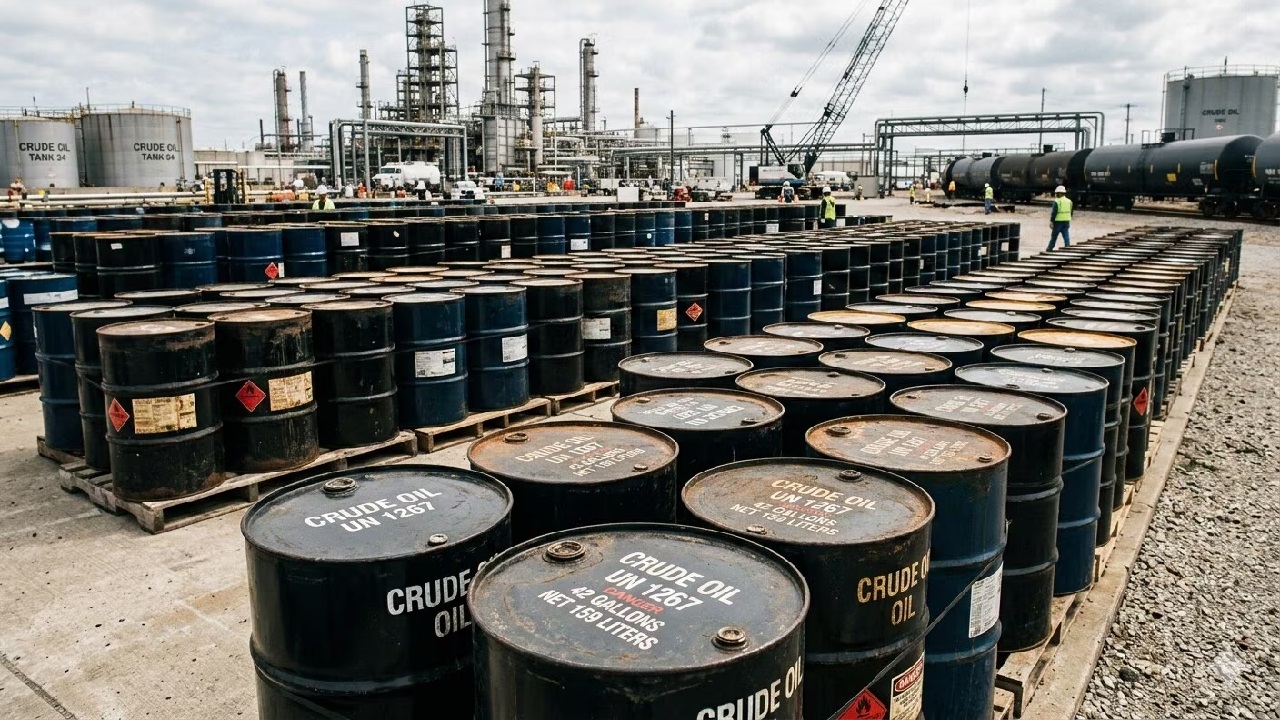
The US imposition of higher duties last month was particularly damaging. The doubling of tariffs not only hurt India’s exports but also introduced a 25 percent surcharge tied to oil imports from Russia. New Delhi condemned the move as “unfair, unjustified and unreasonable,” making clear that trade penalties cannot be divorced from geopolitical maneuvering.
These conflicting signals have complicated the atmosphere for negotiations. On the one hand, there is the promise of restored goodwill; on the other, the specter of unpredictable tariffs looms large. For India, the challenge lies in balancing its strategic autonomy — including energy purchases from Russia — with its growing dependence on US technology, investment, and markets.
A Special Relationship in Transition
Despite tensions, India–US ties are anchored in a broader strategic partnership that extends well beyond trade. Defense cooperation, digital innovation, and clean energy collaboration continue to advance, often acting as stabilizers when economic frictions arise. Modi’s framing of the US as a “natural partner” reflects recognition of this multidimensional relationship.
For Trump, the renewed warmth toward Modi seems equally strategic, aimed at reinforcing America’s ties with the world’s fifth-largest economy even while he pursues tough postures elsewhere. The personal rapport between the two leaders, often emphasized in public statements, adds another layer of resilience to the partnership.
Constructive Engagement Over Confrontation
The latest exchange between Modi and Trump suggests a conscious effort to replace tariff battles with constructive dialogue. While challenges persist — particularly over energy imports and tariff fairness — both leaders are signaling that cooperation outweighs conflict.
For India, concluding the trade talks swiftly could shield its exporters from further disruptions and reassure investors of policy stability. For the US, easing restrictions on Indian goods would reinforce its credibility as a reliable partner in Asia. Ultimately, the durability of this reset will depend not just on words but on the ability of both sides to translate promises into balanced agreements. If successful, the ongoing negotiations could turn a period of tariff turbulence into a long-term pathway for stronger, mutually beneficial economic ties.
(With agency inputs)