SCO Summit: A New Chapter in Asian Diplomacy
The Shanghai Cooperation Organisation (SCO) summit in China has emerged as one of the most closely watched diplomatic stages in recent years. For India, the event provided Prime Minister Narendra Modi a chance to demonstrate deft strategic balancing at a time of shifting global alignments. Surrounded by leaders from Russia, China, Iran, Pakistan, and Central Asia, Modi’s presence reflected India’s role as both a regional anchor and a global swing state.
This year’s summit was particularly symbolic. It marked Modi’s first visit to China in seven years, and the timing coincided with tensions between New Delhi and Washington following fresh U.S. tariffs on Indian exports. Against this backdrop, Modi’s meetings with Russian President Vladimir Putin and Chinese President Xi Jinping sent messages far beyond the summit venue.
A Show of Unity: Modi, Putin, and Xi
Perhaps the most striking image from Tianjin was Modi’s trilateral bonhomie with Putin and Xi. Photographs of the three leaders smiling, shaking hands, and exchanging pleasantries portrayed cohesion at a time when the U.S. is attempting to isolate both Moscow and Beijing.
Modi and Putin were even seen walking hand in hand before meeting Xi, reinforcing their longstanding ties. The Indian leader emphasized that Russia and India have “stood together in the most difficult times,” while Putin underlined the trust-based nature of their partnership, describing it as “not dependent on politics.”
Analysts note that these optics, paired with Modi’s warm remarks, were a subtle rebuff to Washington’s tariff escalation — particularly penalties tied to India’s continued purchase of discounted Russian oil. The message was clear: India will defend its independent foreign policy.
Resetting Ties with China
Equally important was Modi’s dialogue with Xi. Relations between the two Asian giants have been strained since the 2020 Galwan Valley clash that left dozens of soldiers dead. Yet, both leaders struck a conciliatory tone. Modi said India is “committed to building ties based on mutual respect and trust,” while Xi stressed that China and India should see each other as “development opportunities, not threats.”
Foreign Secretary Vikram Misri later confirmed that tensions along the border have eased since an agreement on patrolling arrangements. Both sides also discussed ways to rebuild economic and cultural ties. Announcements included resuming direct flights, lifting trade restrictions on vital goods, and restoring religious pilgrimages and tourism exchanges.
Still, challenges remain. India’s trade deficit with China has hit a record $99.2 billion, while plans for a massive Chinese hydropower dam in Tibet raise concerns in New Delhi about downstream water security. Yet, for now, both leaders appear committed to moving cautiously towards normalisation.
Japan’s $68 Billion Investment Boost
Before heading to China, Modi secured a major breakthrough in Tokyo. Japan pledged a staggering 10 trillion yen (about $68 billion) in private investments over the next decade, doubling its earlier commitment made in 2022.
The Economic Security Initiative unveiled by both governments prioritises secure supply chains in semiconductors, telecom, and pharmaceuticals. It also expands cooperation in emerging technologies, infrastructure, and defense.
Japanese companies have already accelerated investments in India’s automobile, steel, and rail sectors. Suzuki Motors, Nippon Steel, and several other firms are deepening their stakes, underscoring Tokyo’s role as a reliable economic partner.
Modi described the India-Japan partnership as “rooted in trust and shared values,” while Prime Minister Shigeru Ishiba highlighted the joint responsibility of both democracies to strengthen the international order amid global uncertainty.
Washington’s Uneasy Watch
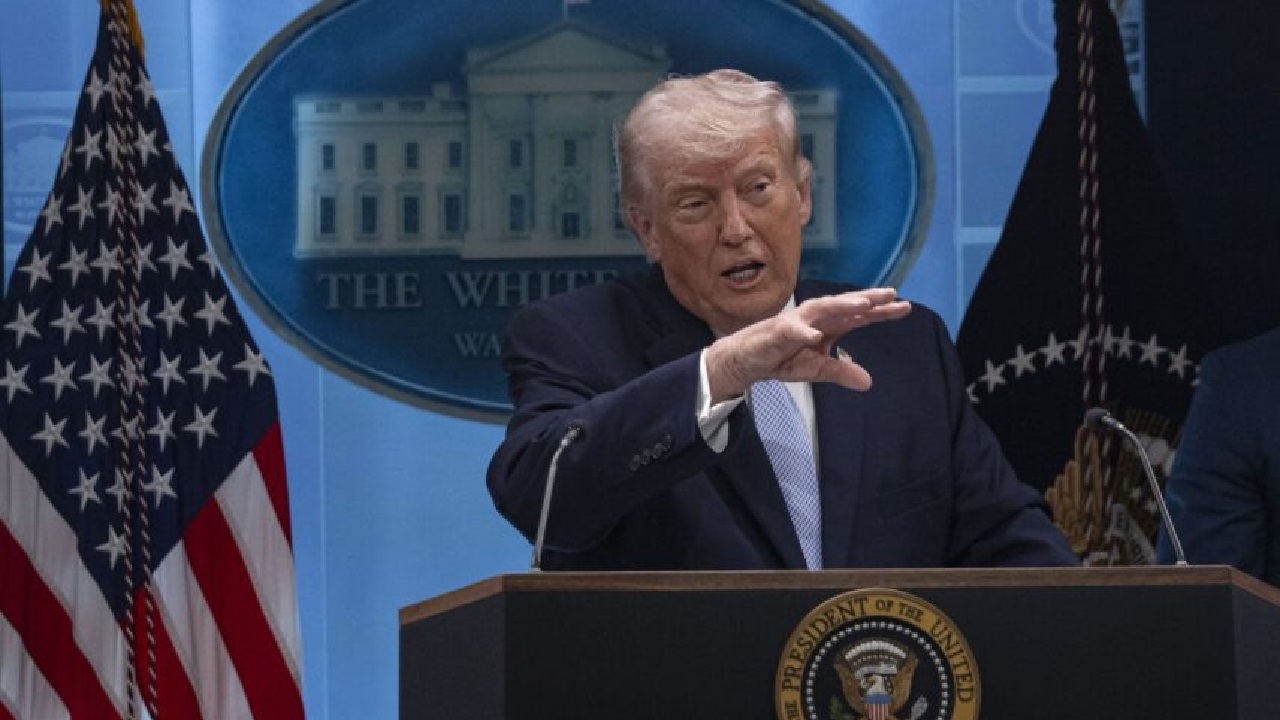
These rapid diplomatic engagements did not go unnoticed in Washington. U.S. President Donald Trump’s recent decision to impose 50 per cent duties on Indian goods has strained ties, despite America’s efforts to emphasize the “enduring friendship” between the two nations.
The U.S. Embassy in New Delhi attempted to downplay tensions, spotlighting innovation, defense cooperation, and people-to-people bonds under the hashtag #USIndiaFWDforOurPeople. Yet, India’s calibrated outreach to Beijing, Moscow, and Tokyo signals that it is unwilling to be cornered by unilateral American actions.
India’s Pragmatic Path Forward
The SCO summit, coupled with Japan’s historic investment pledge, underlined India’s evolving global strategy: multipolar engagement, economic diversification, and resilience against external pressure.
By engaging China and Russia while deepening economic ties with Japan, Modi is carefully hedging India’s bets in an increasingly fragmented world order. For Washington, this is a reminder that New Delhi will not be a passive player in great power competition but an assertive partner seeking autonomy.
India’s message is unmistakable — it will maintain friendships across divides, expand opportunities for its people, and defend its strategic independence, regardless of the geopolitical headwinds.
(With agency inputs)