Festival Joy Overshadowed by Fear
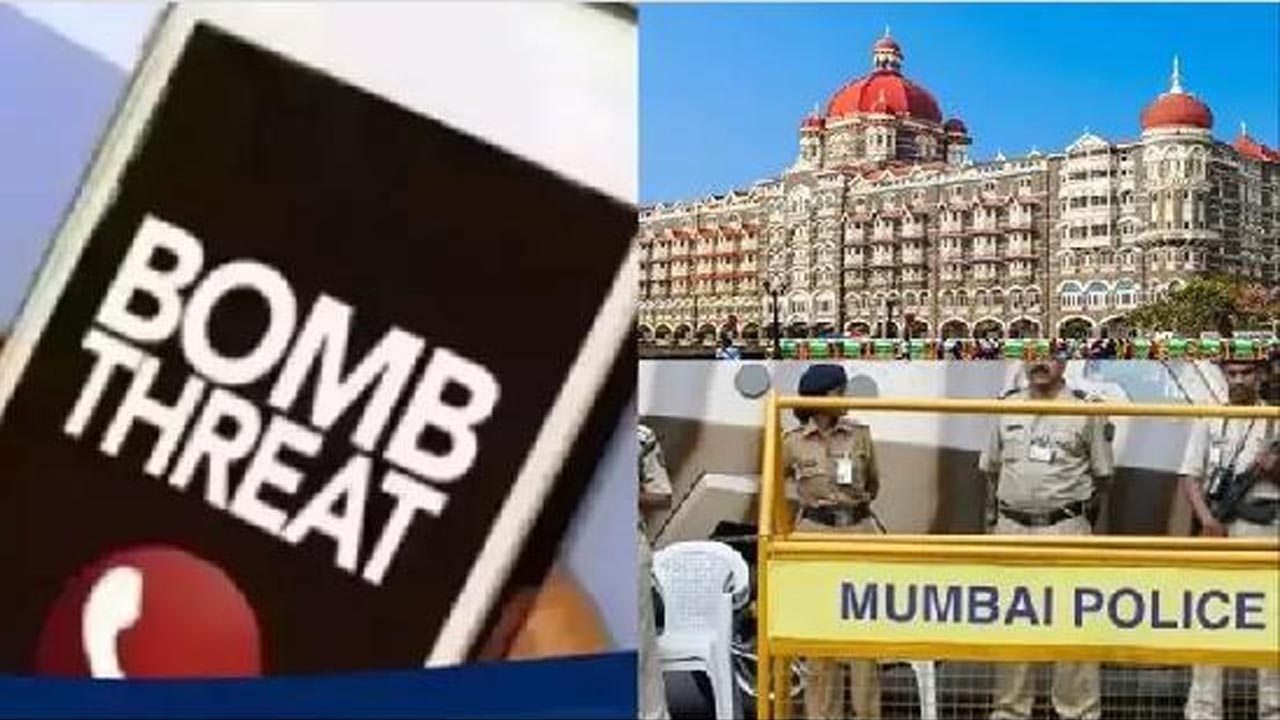
As Mumbai prepares for the grand finale of the Ganesh festival, a period marked by devotion and massive public gatherings, an unsettling threat has put the city on edge. A message received by the police claimed that human bombs were planted in 34 vehicles and warned of large-scale devastation using 400 kilograms of RDX. The timing of this threat—just before Anant Chaturdashi, when lakhs of devotees flood the streets for idol immersions—has heightened public anxiety and compelled law enforcement to ramp up vigilance.
The Threat Message and Its Claims
The alarming message landed on the official WhatsApp helpline of Mumbai’s traffic police, with the sender identifying themselves as part of the militant outfit “Lashkar-e-Jihadi.” The note claimed that 14 Pakistani terrorists had infiltrated India, and the planned blasts could “kill one crore people.” Officials, while treating the message with utmost seriousness, have also suggested that the scale of the claim points toward the possibility of a hoax. Nevertheless, the gravity of such a warning, particularly during a mass religious event, has triggered a comprehensive security response.
Security Response: Multi-Layered Measures
Authorities have rolled out an extensive security apparatus across Mumbai. The Anti-Terrorism Squad (ATS) has been roped in, and special combing operations are being carried out at parking areas, basements, and crowded public zones.
According to senior officials, more than 21,000 police personnel will be deployed during Anant Chaturdashi, supported by:
· 12 additional commissioners
· 40 deputy commissioners
· 61 assistant commissioners
· 3,000 officers
· 18,000 constables
For the first time, artificial intelligence systems will also be utilized to manage routes and monitor traffic in real time. Authorities have reassured citizens that no corner will be left unchecked. “Our security forces can handle any challenge. Preventive steps are being taken to ensure no lapses,” a senior officer told reporters.
Public Appeal: Combating Rumours
Alongside physical security, the Mumbai Police have placed equal emphasis on information control. Citizens have been urged to remain calm, avoid spreading unverified rumours, and report any suspicious activity. With crowds expected in millions, officials are particularly concerned about panic or misinformation spiralling out of control.
Pattern of Hoax Threats
Mumbai has faced a spate of hoax bomb threats in recent months. Earlier this week, a 43-year-old man was arrested in Thane for calling the police helpline with a claim that he had planted a bomb at Kalwa railway station—which turned out to be false. Similarly, in July, multiple calls warning of an explosion at Chhatrapati Shivaji Maharaj International Airport forced an hours-long search operation, only to find nothing suspicious.
While most of these incidents were eventually dismissed as hoaxes, officials argue they still pose risks, as they divert resources and create public fear. The recurring pattern also raises concerns about gaps in monitoring anonymous digital communications.
Balancing Security and Celebration
For Mumbai, Ganesh Chaturthi is more than a festival; it is an expression of community spirit and cultural pride. The challenge for law enforcement lies in ensuring that such threats do not overshadow celebrations or disrupt religious sentiment. Experts point out that while overreaction could dampen festivities, underestimating a genuine threat would carry catastrophic consequences.
Vigilance as the Best Safeguard
The latest threat may well turn out to be another in a series of hoaxes, but its timing underscores the vulnerability of mass gatherings in a metropolis like Mumbai. Authorities have responded with an unprecedented security net, blending manpower with technology, to safeguard citizens.
Ultimately, while fear lingers in the wake of the message, the city’s resilience and preparedness will be tested once again. For residents, the best contribution remains vigilance and cooperation with law enforcement. For the state, the episode is a reminder that in an era of digital communication and urban density, preparedness and public trust are as vital as policing itself.
(With agency inputs)