A Family Scandal Turns into a Criminal Case
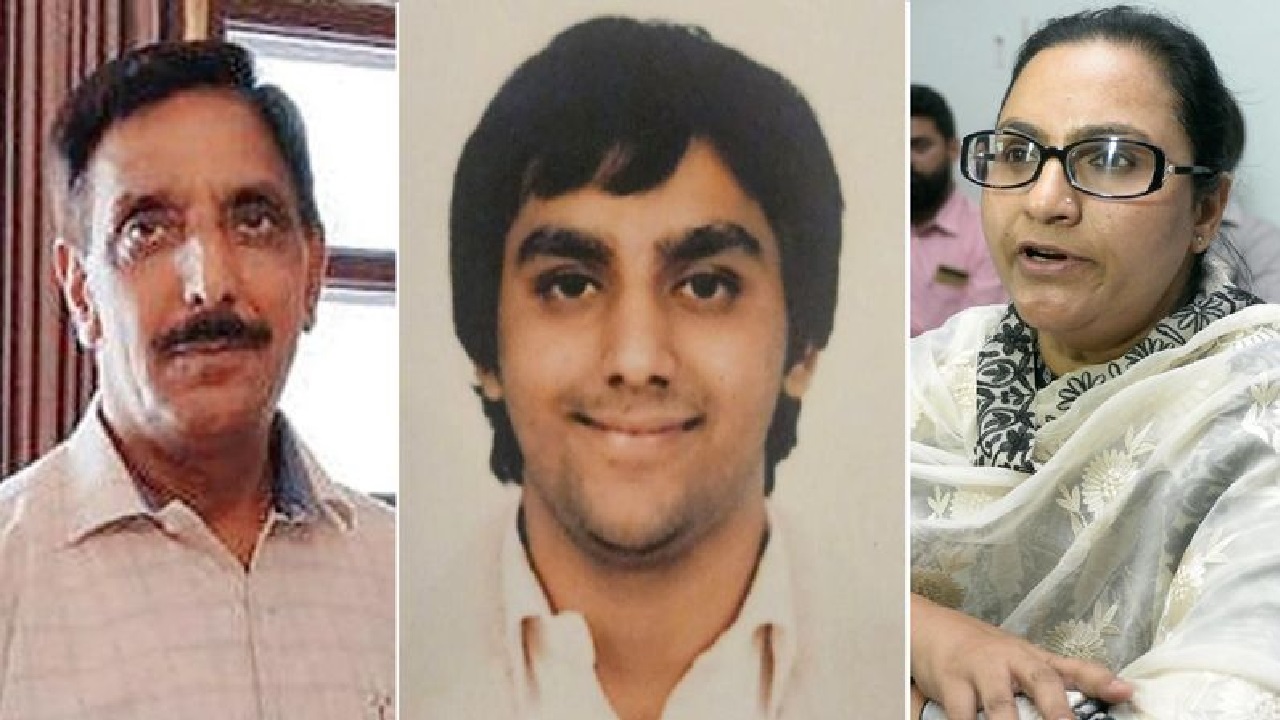
A shocking domestic drama within one of Punjab’s most influential families has taken a grim turn. Former Punjab Director General of Police Mohammad Mustafa and his wife, ex-Congress minister Razia Sultana, have been booked for the alleged murder of their 35-year-old son, Aqil Akhtar, whose body was discovered under mysterious circumstances at his Panchkula residence on October 16.
Once known for their political and professional clout, the couple now stands at the center of a case that intertwines allegations of family betrayal, mental distress, and an alleged illicit affair that has left the region reeling.
The Haryana Police registered an FIR against Mustafa, Sultana, their daughter, and daughter-in-law following a complaint by a family friend, Shamshuddin Chaudhary, who alleged that Aqil’s death was not accidental but the result of a well-planned conspiracy.
The Night of the Incident: Death Under Suspicion
According to initial reports, Aqil—a practicing lawyer—was found unconscious in his upscale Panchkula apartment. He was rushed to the hospital but declared dead upon arrival. The family claimed it was a drug overdose, citing Aqil’s long battle with addiction. However, investigators began to question this version after disturbing videos began circulating online, apparently recorded by Aqil weeks before his death.
What started as a personal tragedy quickly escalated into a potential criminal case as the videos painted a picture of deep family conflict and psychological torment.
The Shocking Twist: Son’s Allegations Against His Father
In a video dated August, Aqil made explosive accusations against his father, alleging that Mustafa was having an affair with his own wife. Visibly distressed, he claimed, “I have found out about my wife’s affair with my dad. I am under severe mental pressure and fear for my life.”
Aqil went on to accuse his mother and sister of colluding against him, asserting that they planned to “frame him in a false case or get him killed.” The video also detailed incidents of physical assault, financial control, and forced rehabilitation, painting a disturbing picture of isolation and paranoia.
Now, this recording forms the cornerstone of the investigation, raising questions about whether Aqil’s death was self-inflicted or the culmination of deep-rooted family animosity.
Family’s Defense: “A Victim of Addiction, Not Conspiracy”
In response, Mohammad Mustafa—one of Punjab’s most decorated police officers—has categorically denied all charges, calling them “monstrous lies fueled by political vendetta.” He insisted that Aqil had been a chronic drug addict for nearly twenty years and that his death resulted from an accidental buprenorphine overdose, as suggested by preliminary post-mortem findings.
Mustafa dismissed the video as the “delusional product of a disturbed mind,” adding that his family was being targeted by political rivals seeking to tarnish their legacy.
His wife, Razia Sultana, echoed the sentiment, describing the accusations as “dirty politics at play.” She said the family immediately contacted the police after finding Aqil unconscious, proving their “complete cooperation and transparency.” Their daughter Nishat Akhtar also issued a statement condemning what she called “media sensationalism” over a private family tragedy.
SIT Probe: Seeking Facts Amid Scandal
The Haryana Police have established a Special Investigation Team (SIT) led by Assistant Commissioner of Police Srishti Gupta to conduct a neutral inquiry. The SIT has been tasked with examining Aqil’s digital records, medical reports, and family communications, as well as investigating any financial or emotional motives that may have played a role in his death.
Gupta confirmed that all angles—murder, suicide, or accidental overdose—remain open, and the investigation will proceed “strictly on evidence, not influence.”
Between Truth, Trauma, and Trial by Media
The death of Aqil Akhtar exposes the hidden turmoil behind privileged facades, where family disputes, addiction, and mistrust can spiral into tragedy. If the allegations of murder hold true, it would mark one of the most disturbing cases of domestic betrayal in recent memory. But if proven false, it could reveal the devastating power of mental illness and public speculation in distorting reality.
For now, only a fair and transparent investigation can separate fact from fiction. In a case shadowed by influence, reputation, and grief, the pursuit of truth remains the only path to justice—for Aqil, and for those left behind.
(With agency inputs)