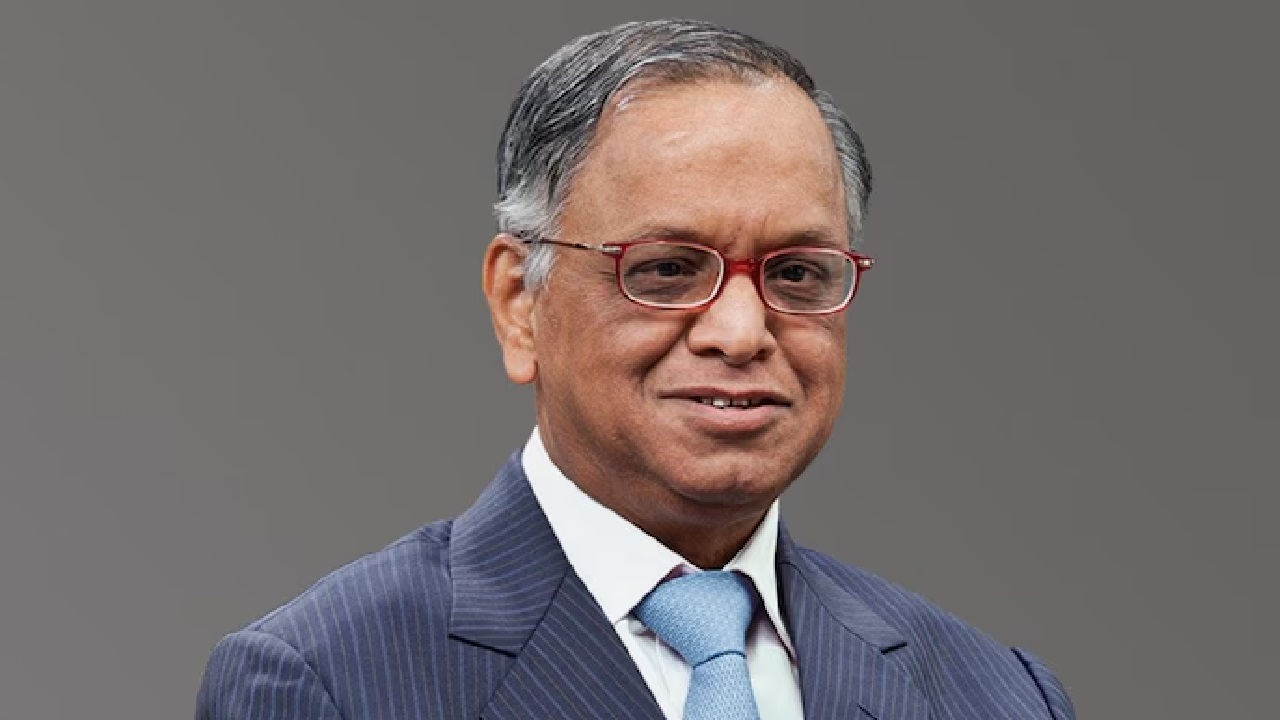
Narayana Murthy, co-founder of Infosys, reignited controversy in India by endorsing a 72-hour workweek for young professionals, citing China’s well-known “9-9-6” schedule—working 9 a.m. to 9 p.m., six days a week—as a model. His remarks reopened long-standing debates on productivity, worker rights, and the socioeconomic implications of extended work hours.
The Return of a Global Work Debate
China’s 9-9-6 work culture—celebrated by some for fueling rapid economic ascent and condemned by others as exploitative—has once again entered India’s policy discourse. Murthy’s statement, urging extraordinary individual effort to close the economic gap with China, touches a nerve in a country already wrestling with long hours, low wages, and rising burnout. The debate plays out at the intersection of cultural expectations, economic ambition, and the human cost of relentless work.
Understanding the 9-9-6 System: Origins and Impacts
The 9-9-6 model gained prominence in Chinese tech giants such as Alibaba and Huawei during periods of aggressive growth. Though Chinese labor laws cap workweeks at 44 hours, the 72-hour norm was widely—and unofficially—adopted. It symbolized national ambition but sparked global criticism for violating labor rights and endangering worker health.
Reports from Chinese employees describe exhaustion, chronic stress, and health crises; some frame the system as “modern slavery.” China’s Supreme Court declared the practice illegal in 2021, yet enforcement remains inconsistent, reflecting deep-rooted cultural and economic pressures. Confucian values emphasizing diligence and obedience, combined with competitive job markets and societal expectations of high achievement, sustain the system despite its risks.
Narayana Murthy’s Perspective: Hard Work as National Imperative
Murthy argues that India requires a comparable intensity of effort to accelerate development and compete globally. Drawing on his impressions from recent visits to China, he points to the discipline and determination he observed in its workforce as a benchmark for Indian youth. In his view, national progress demands extraordinary commitment across all sectors, even if it involves longer hours and heightened performance expectations.
Public and Expert Reactions: Divided Lines
Murthy’s stance has polarized opinion. Many professionals counter that Indians already work extended hours due to long commutes, understaffed teams, and inadequate workplace processes. Critics argue that productivity cannot be solved by time alone, especially when wages stagnate and burnout climbs.
Health experts warn that sustained 72-hour weeks raise risks of cardiovascular disease, anxiety, depression, and diminished creativity—paradoxically undermining productivity. Gender specialists highlight that such demands exacerbate the “double burden” on women, who already balance paid work with disproportionate household responsibilities. Legal analysts add that India’s labor laws regulate maximum hours and require overtime pay, aspects overlooked in calls for extreme regimes.
On the other hand, some economists and business leaders interpret Murthy’s remarks as a push to instill stronger work ethics amid India’s demographic opportunity. They acknowledge, however, that effort must be paired with structural reforms in training, infrastructure, and workplace design.
Corporate Shifts: Balancing Performance and Well-Being
Even Infosys now prioritizes balanced work models, especially in hybrid and remote settings, discouraging overwork to protect innovation and retention. This reflects a broader shift in corporate thinking: sustainable productivity matters more than sheer hours logged.
Finding India’s Middle Path
Murthy’s endorsement of China’s 9-9-6 model surfaces a deeper national dilemma—how to drive progress without compromising worker well-being. The clash between traditional notions of sacrifice and modern expectations of balance underscores the need for a holistic approach. India’s path forward will require aligning ambition with legal protections, healthy workplaces, and inclusive growth, ensuring productivity strengthens the nation without diminishing its people.
(With agency inputs)