Venezuela–U.S. Tensions: A Relationship Long on Friction
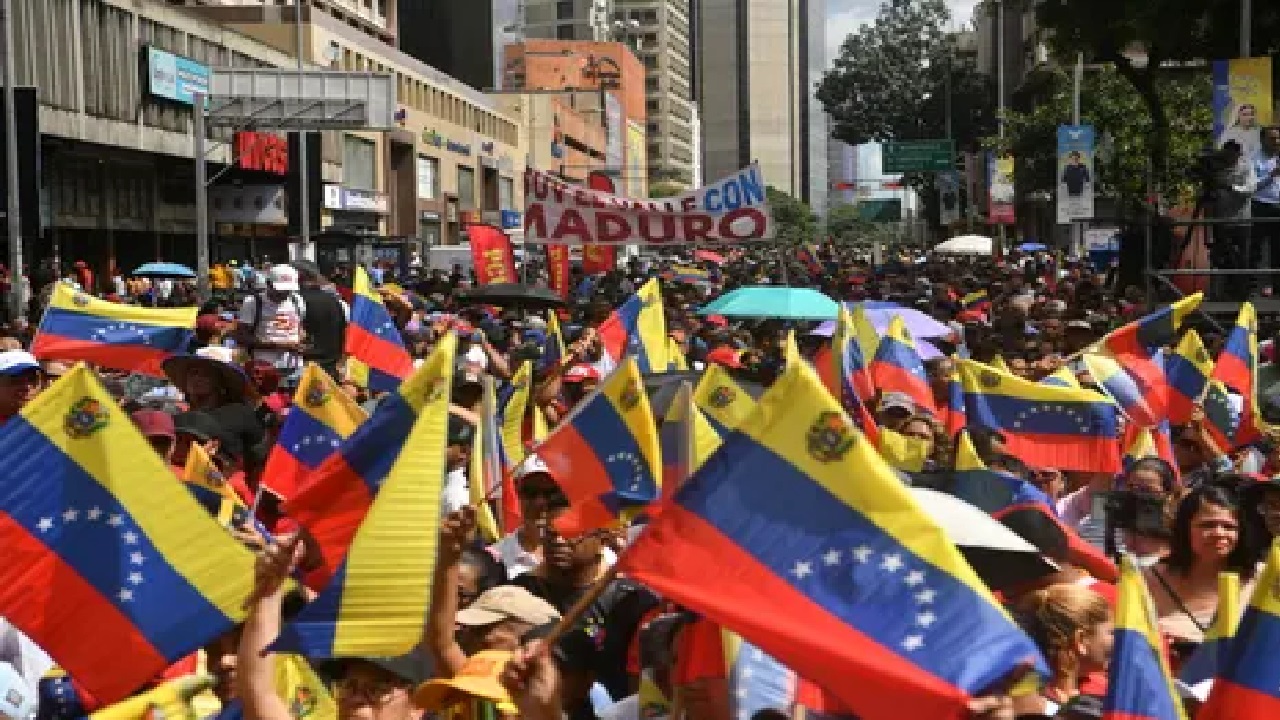
Relations between Washington and Caracas have been fraught for decades, shaped by ideological hostility, sanctions, accusations of authoritarianism, and U.S. allegations that Venezuela’s leadership is entangled in transnational narcotics networks. These tensions intensified after U.S. prosecutors indicted senior Venezuelan officials on drug trafficking and terrorism-related charges, framing the Maduro government not merely as undemocratic but as criminal. Against this backdrop of mutual distrust and pressure, the January 3, 2026 U.S. military raid in Caracas marked a dramatic escalation—transforming a long-running standoff into a direct confrontation with profound legal and political consequences.
The Raid and Its Immediate Fallout
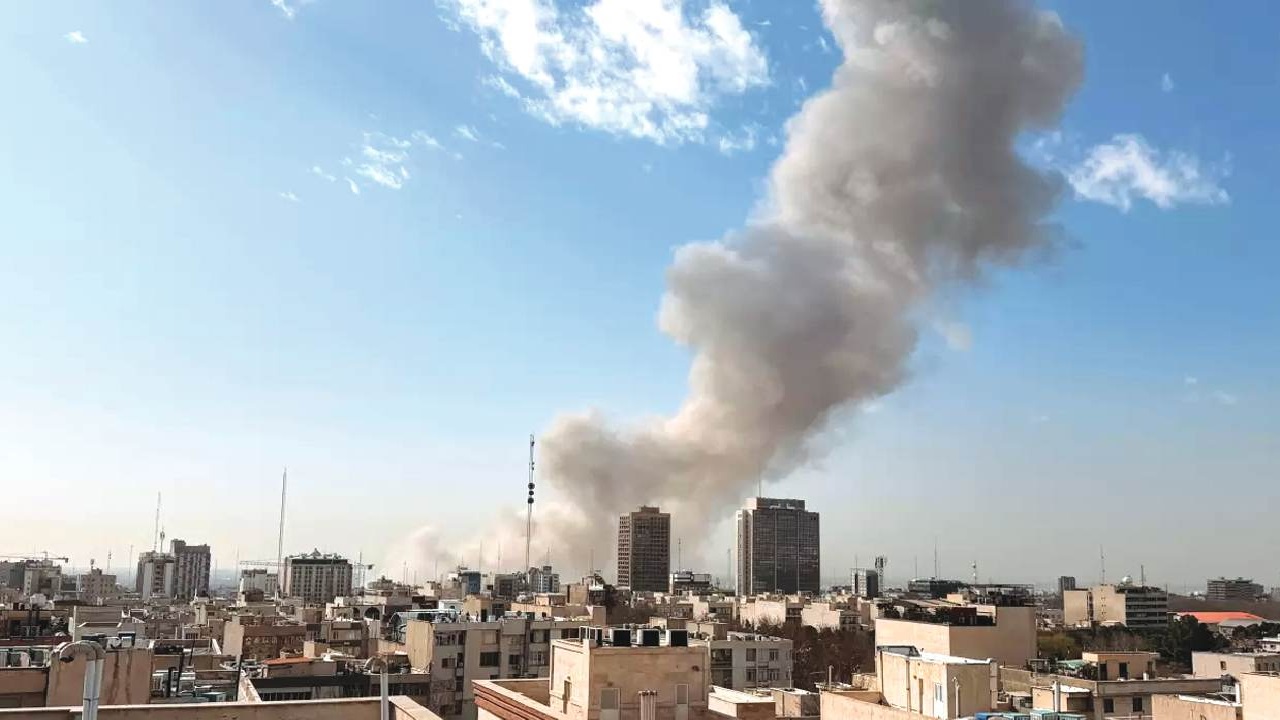
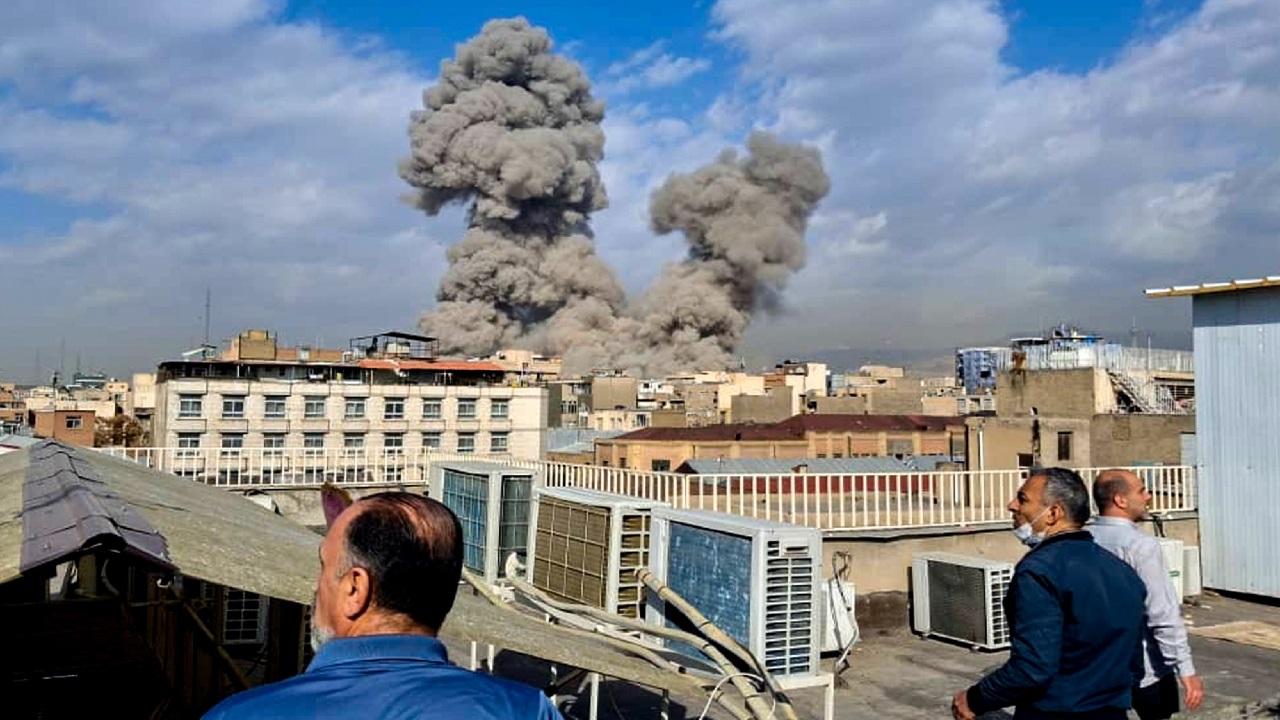
The U.S. operation resulted in the capture of President Nicolás Maduro and his wife; a move justified by the administration as an extension of law enforcement actions tied to outstanding indictments. President Donald Trump’s subsequent announcement of interim U.S. governance in Venezuela until a “proper transition” could occur ignited immediate controversy. Critics across the political spectrum questioned whether the White House had crossed a constitutional line, replacing diplomatic and economic pressure with unilateral military force absent clear authorization or strategic clarity.
Who Are National Security Leaders for America?
At the center of the backlash is National Security Leaders for America (NSL4A), a nonpartisan organization established in 2021 and composed of more than 1,400 retired admirals, generals, diplomats, and senior national security officials. The group has positioned itself as a guardian of constitutional norms in foreign policy, emphasizing lawful decision-making, civilian oversight, and strategic restraint. Drawing on decades of operational and policy experience, NSL4A carries particular weight in debates over the appropriate use of American military power.
Legal and Constitutional Fault Lines
NSL4A’s primary critique centers on legality. While acknowledging Maduro’s documented repression and human rights abuses, the organization argues that these factors alone do not justify unilateral military action. Drug trafficking indictments—such as the 2020 charges brought in the Southern District of New York against alleged members of the so-called “Cartel de los Soles”—do not constitute an armed attack on the United States. Under both domestic and international law, NSL4A contends, military force requires either self-defence against imminent threat or explicit congressional authorization. Neither, they argue, was present.
Retired Rear Admiral Mike Smith, NSL4A’s president, emphasized that military missions must rest on firm constitutional footing, comply with international law, and be guided by defined objectives and exit strategies. In this case, the group sees an alarming absence of all three.
The Erosion of Congressional Oversight
Equally troubling to NSL4A is what it views as a side-lining of Congress. The Constitution assigns war-making authority to the legislative branch, yet lawmakers reportedly received no substantive briefing prior to the raid. The administration’s attempt to characterize the operation as “law enforcement supported by the military” has been dismissed by critics as semantic maneuvering that fails to address the scale and risks of the action. NSL4A warns that bypassing Congress not only undermines democratic accountability but also increases the likelihood of escalation without public consent.
Global Reactions and Strategic Reverberations
Internationally, the response has been cautious and divided. Some governments sympathetic to Venezuela’s opposition quietly welcomed Maduro’s removal, while many allies expressed unease over the precedent of regime change through unilateral force. Regional organizations and European partners raised concerns about sovereignty, due process, and the destabilizing potential of a power vacuum in a country already grappling with economic collapse and mass migration. For rivals of the United States, the episode offers fresh ammunition to accuse Washington of selective adherence to international norms.
A Test of Democratic Restraint
The Venezuela operation represents more than a bold foreign policy gamble; it is a stress test for America’s constitutional system. NSL4A’s intervention underscores a broader anxiety that executive ambition may be outpacing legal restraint and strategic discipline. How Congress responds—through hearings, funding decisions, or reassertion of its war powers—will shape not only the trajectory of U.S. involvement in Venezuela but also the credibility of American commitments to the rule of law. In confronting an adversarial regime, the United States now faces a deeper question: whether it can defend democratic principles abroad without eroding them at home.
(With agency inputs)