Tariffs, Oil, and a War in Europe
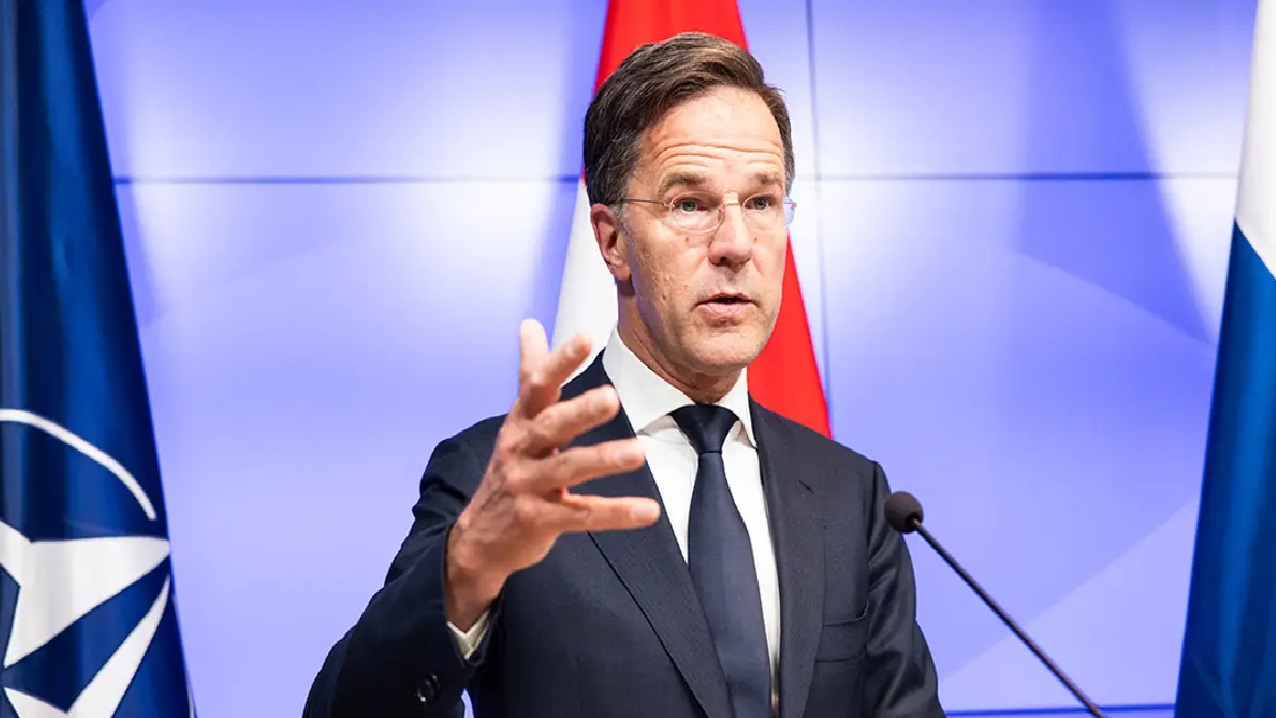
Trade tensions, geopolitical alliances, and the ongoing Ukraine conflict have once again converged in global headlines. NATO Secretary-General Mark Rutte, speaking on the sidelines of the UN General Assembly in New York, has suggested that Prime Minister Narendra Modi directly pressed Russian President Vladimir Putin on his approach to the war in Ukraine, while also raising concerns about new U.S. tariffs on India. His remarks come at a time when Washington’s trade policies and Moscow’s war strategy remain deeply entangled in global politics.
Rutte’s Claim on Modi and Putin
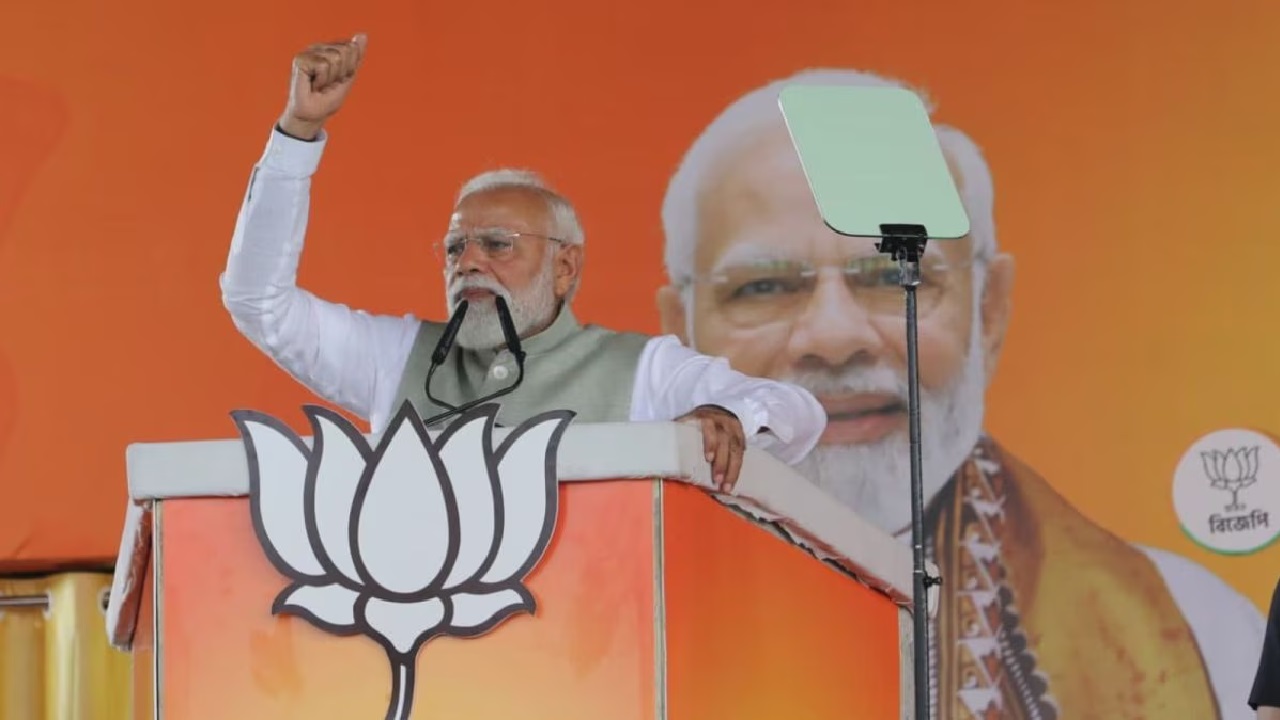
In his comments to CNN, Rutte said, “Delhi is on the phone with Vladimir Putin in Moscow,” adding that Modi has been asking the Russian leader to “explain his strategy.” The NATO chief linked this outreach to America’s steep 50% tariffs on Indian goods, which he argued were having “a big impact” not only on New Delhi but indirectly on Moscow as well.
While these claims grabbed attention, both Indian and Russian officials refrained from issuing any immediate response. Modi and Putin last spoke publicly on September 17, when the Indian leader turned 75. According to official statements, Modi reiterated India’s support for a peaceful resolution to the Ukraine war. Earlier in September, the two leaders also held extended talks while traveling together to a bilateral meeting on the sidelines of the SCO summit in Tianjin, China.
Trump’s Trade Offensive
The controversy arises against the backdrop of Donald Trump’s escalating tariff regime. Last month, he slapped a 25% base tariff on India, along with an additional 25% penalty tied specifically to its imports of Russian oil. The U.S. administration argued that Indian purchases of discounted Russian crude provided Moscow with funds to prolong its military campaign in Ukraine.
Beyond India, Trump has urged NATO allies to adopt a harder stance on both Russia and China by tightening trade restrictions. His broader trade blitz recently included a 100% duty on imported pharmaceutical drugs, 50% on kitchen cabinets, 30% on upholstered furniture, and 25% on heavy trucks—moves he defended as essential for U.S. national security and manufacturing strength.
India Pushes Back
New Delhi has not taken these measures lightly. The Ministry of External Affairs described the tariffs as “unjustified,” emphasizing that India’s Russian oil imports are essential for keeping energy costs affordable for its 1.4 billion citizens. Officials also pointed out that Western economies, including the U.S. and the EU, maintain significant commercial ties with Russia without facing the same pressures.
Trade Talks Amid Tensions
Despite the disagreements, India and the U.S. are keeping trade channels open. Commerce Minister Piyush Goyal led a delegation to New York this week for discussions with U.S. counterparts, including chief negotiator Brendan Lynch. These meetings follow earlier rounds in Delhi as both nations seek to finalize a bilateral trade agreement.
Trump, for his part, struck a conciliatory note earlier this month, describing Modi as a “very good friend” and expressing optimism about concluding negotiations successfully. Modi echoed this sentiment on social media, affirming that both sides are “natural partners” capable of unlocking “limitless potential.”
Balancing Diplomacy and Trade
Rutte’s remarks underscore how the Ukraine conflict continues to ripple through global trade and diplomacy. For India, the challenge lies in balancing affordable energy needs, strategic autonomy, and its growing economic partnership with the U.S. Trump’s aggressive tariffs may be designed to push New Delhi into alignment, but they also risk straining ties with one of Washington’s most important partners in Asia.
At the same time, Modi’s reported outreach to Putin highlights India’s unique position as both a major buyer of Russian energy and an advocate for dialogue. The road ahead will demand careful calibration—India must safeguard its economic interests while keeping open its diplomatic bridges with both Washington and Moscow. The stakes are not just about tariffs and oil but about India’s role in shaping a stable multipolar order.
(With agency inputs)