A Crossroads in Global Diplomacy
As the war in Ukraine grinds into its third year with no clear end in sight, NATO has escalated its rhetoric and pressure tactics, turning its focus toward key global players who continue trading with Russia. India, China, and Brazil now find themselves at the center of a diplomatic storm, with NATO and the United States signaling that neutrality or non-alignment may no longer be an option.
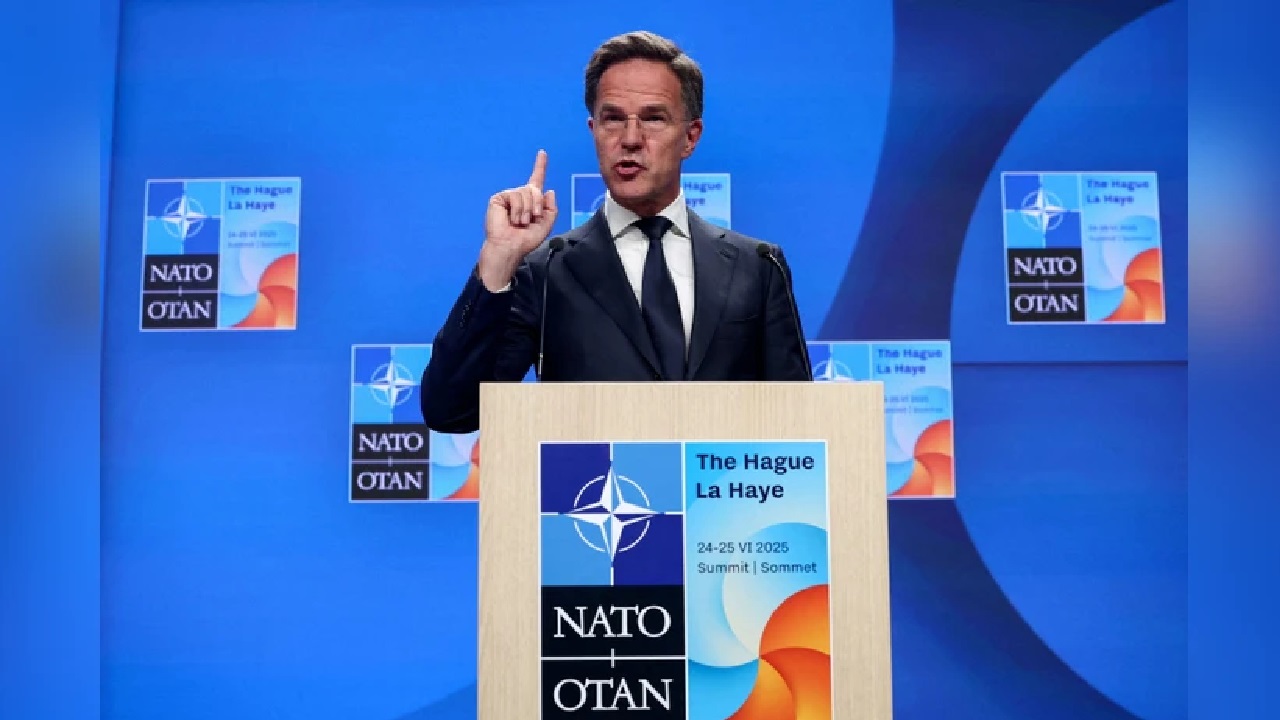
This week, NATO Secretary General Mark Rutte made a rare and forceful statement, warning that these three nations could face 100% secondary sanctions if they fail to urge Russia toward a peace deal. The message, echoing U.S. President Donald Trump’s earlier remarks about steep tariffs, underlines NATO’s resolve to isolate Moscow economically — and press reluctant global powers into action.
The Sanctions Threat: NATO’s Stark Warning
Rutte’s comments came during meetings with U.S. senators in Washington, just one day after President Trump unveiled a new arms package for Ukraine and laid down a hard deadline of 50 days for a peace agreement. Trump warned of “biting” tariffs for any nation that continues buying Russian exports without supporting a resolution to the war.
Rutte echoed this urgency, saying, “If you live now in Beijing, or in Delhi, or you are the president of Brazil, you might want to take a look into this, because this might hit you very hard.” His message was blunt: either encourage Russian President Vladimir Putin to seriously engage in peace talks — or face harsh economic consequences.
The NATO chief made clear that the intent is not just to punish Russia but to mobilize the global community to apply coordinated pressure. The logic is strategic: isolating Russia requires more than just Western sanctions; it needs the world’s largest economies to stop providing Moscow with lifelines.
The U.S. Strategy: 50 Days to Peace or Penalties
President Trump’s statement marks a significant escalation in pressure tactics. He has demanded a peace deal within 50 days, threatening severe tariffs on countries that continue to import Russian goods if diplomacy fails. The threat, though vague in implementation details, carries weight, especially when paired with the massive arms package and new military commitments for Ukraine.
Trump’s Republican allies have voiced mixed feelings. Senator Thom Tillis supported the strong stance but expressed concern that the 50-day window could allow Putin to escalate military actions and improve his negotiating position.
“We should look at the current state of Ukraine today and say, no matter what you do over the next 50 days, any of your gains are off the table,” Tillis warned.
To reinforce its diplomatic leverage, the U.S. is now coordinating more closely with NATO and European partners. Rutte confirmed that the new weapons packages — including air defense systems, missiles, and ammunition — would be largely funded by Europe but supplied by the U.S., creating a united front.
Geopolitical Tensions: Why This Moment Matters
The escalation reflects a broader frustration with the global status quo. Despite waves of sanctions, Russia continues to find economic allies in the Global South. India has ramped up purchases of discounted Russian oil, China continues trade on multiple fronts, and Brazil has remained diplomatically cautious.
NATO’s shift toward pressuring these nations signals an emerging divide — between the Western alliance’s collective strategy and the pragmatic economic interests of rising powers. The question now is whether these countries will recalibrate their positions under pressure or hold firm in their strategic autonomy.
The move also puts longstanding relationships to the test. India and Brazil are major democracies with traditionally good ties to the West. China, a more complex strategic rival, presents an even greater diplomatic challenge.
A Delicate Balance of Power
The next 50 days may prove pivotal. NATO’s warning is not just about sanction threats; it is a calculated diplomatic maneuver aimed at reshaping the geopolitical map. If India, China, and Brazil heed the call, it could accelerate momentum toward peace. If they resist, a new phase of economic confrontation may unfold — one that risks widening the global divide.
At the heart of the matter lies a fundamental tension: Can global powers remain neutral in a war with such wide-reaching consequences? The answer will shape not just the outcome in Ukraine but the future of international diplomacy.
(With agency inputs)