Political Unrest and Fragile Stability
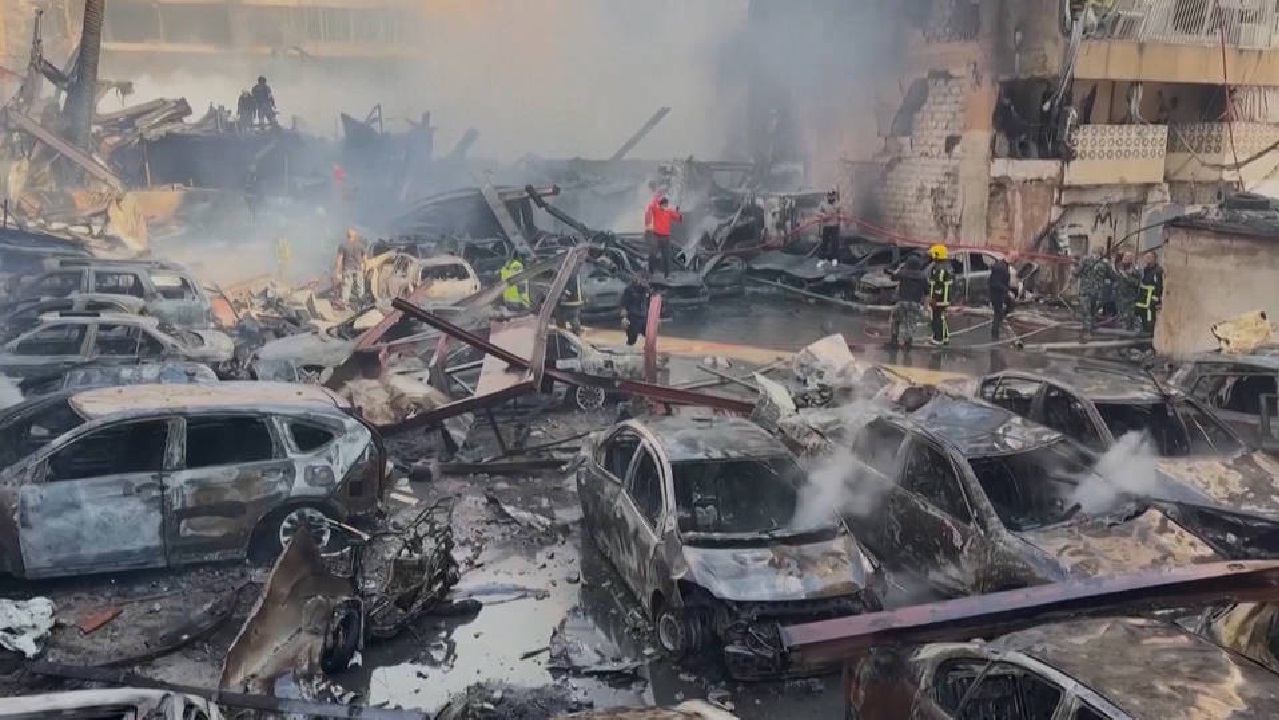
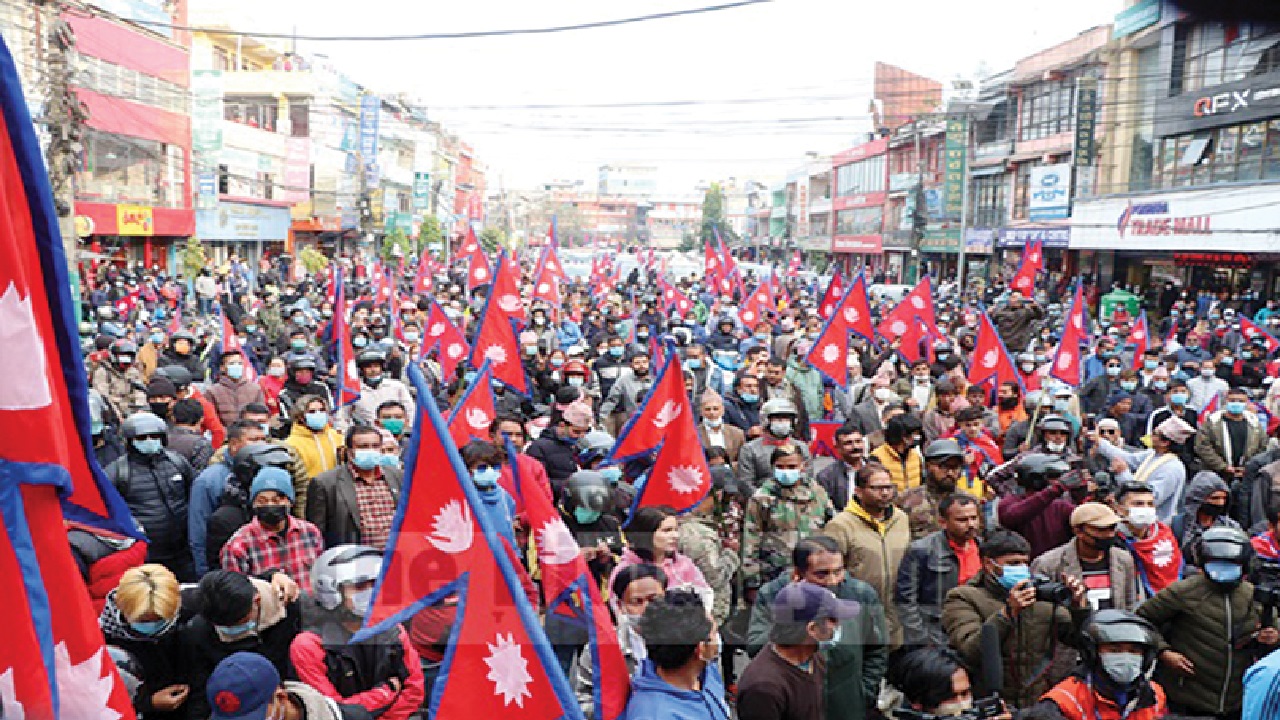
Nepal today stands at a precarious political juncture. The resignation of Prime Minister K.P. Sharma Oli, followed by the fallout of the Jan-G movement, has left the Himalayan nation grappling with uncertainty. Protests continue to rock the streets, violence has been reported from several regions, and the country faces what many describe as a political vacuum. For nearly three days, discussions on forming an interim government have been ongoing, but progress has been slow and fragmented—moving “two steps forward and three steps back.”
Army Steps in to Reassure Stability
In this period of instability, the Nepali Army has taken a proactive role. It has not only assured the public of restoring order but also pledged support for the formation of a caretaker government. However, constitutional provisions complicate this process: only sitting Members of Parliament can be sworn in as interim Prime Minister. This restriction has limited options and fueled speculation about an army-backed caretaker administration, particularly since the military has expressed sympathy for the protesting Gen-Z movement.
Contesting Names and Delays
The debate on who should head the interim arrangement has deepened divisions. Some groups support former Chief Justice Sushila Karki as a neutral leader, while others back Kathmandu Mayor Balendra Shah, known for his grassroots appeal. The stalemate has slowed negotiations and heightened fears of prolonged instability. Political experts warn that Nepal cannot afford an extended power vacuum, as it risks eroding institutional credibility and widening public disillusionment.
Power Struggles Among Parties
If and when an interim government is established, parties such as the Communist UML and the Nepali Congress are expected to demand representation. Yet it remains unclear whether the protesting youth—collectively referred to as Gen-G—will accept a coalition dominated by traditional parties. This generational divide complicates consensus-building, with the army insisting that any future government must reflect the aspirations of those who took to the streets for change.
Army Pushes for Decisive Change
While ruling out a coup, the army has pressed for swift resolution to avoid a law-and-order breakdown. It supports a decisive transformation that includes accommodating reformist voices and even those who once advocated the restoration of the monarchy. Yet most observers believe a return to monarchy is improbable, as it would require constitutional amendments demanding a two-thirds parliamentary majority—an unlikely prospect in today’s fractured climate.
Economic and Social Strains
The political impasse is already spilling into Nepal’s economic and social fabric. Tourism, one of the nation’s largest industries, is reeling under uncertainty, with fears that unrest could deter visitors at a time when the country is striving to recover from the pandemic’s impact. Intelligence reports suggest the movement, currently concentrated in cities like Kathmandu, Biratnagar, and Pokhara, could soon spread to rural areas, aggravating instability. The longer the deadlock continues, the higher the cost for ordinary citizens who depend on stability for livelihoods.
Constitutional Pathways and Their Limits
Several constitutional routes have been discussed to break the deadlock. Under Article 273, an emergency could be declared if Parliament is dissolved. Alternatively, Articles 76 and 77 empower the President to appoint a leader in case no party commands a majority. However, these options carry risks: emergency rule could worsen unrest, and any presidential appointment could be contested in court, prolonging instability. Amendments to resolve these hurdles remain unrealistic given the current parliamentary arithmetic.
A Narrow but Vital Option
Against this backdrop, the only viable solution appears to be the selection of a consensus candidate for interim leadership. Such a figure must inspire trust across parties, resonate with protestors, and reassure the army of stability. Without this broad agreement, Nepal risks sliding deeper into crisis.
Choosing Unity Over Division
Nepal’s immediate future hinges on whether its political actors can put aside rivalries and converge on a common path. An interim government is not just a constitutional requirement but a lifeline to prevent institutional collapse, protect the economy, and reassure citizens of their nation’s resilience. The army has made it clear it seeks stability, not control—but the onus lies with politicians to prove that democracy can deliver even in turbulent times.
For Nepal, the choice is stark: either forge consensus and move forward together, or remain trapped in a cycle of uncertainty that threatens to undermine hard-won democratic gains.
(With agency inputs)