


A Nation in Turmoil Once Again
Nepal, the Himalayan republic often described as a laboratory of political experiments, is again battling turmoil. On September 9, 2025, Prime Minister K. P. Sharma Oli resigned, just 48 hours after violent anti-corruption demonstrations shook the capital, Kathmandu, leaving at least 22 dead and government buildings in flames. What began as anger over a temporary social media ban quickly morphed into a generational uprising against entrenched corruption, dragging Nepal back into its familiar cycle of instability.
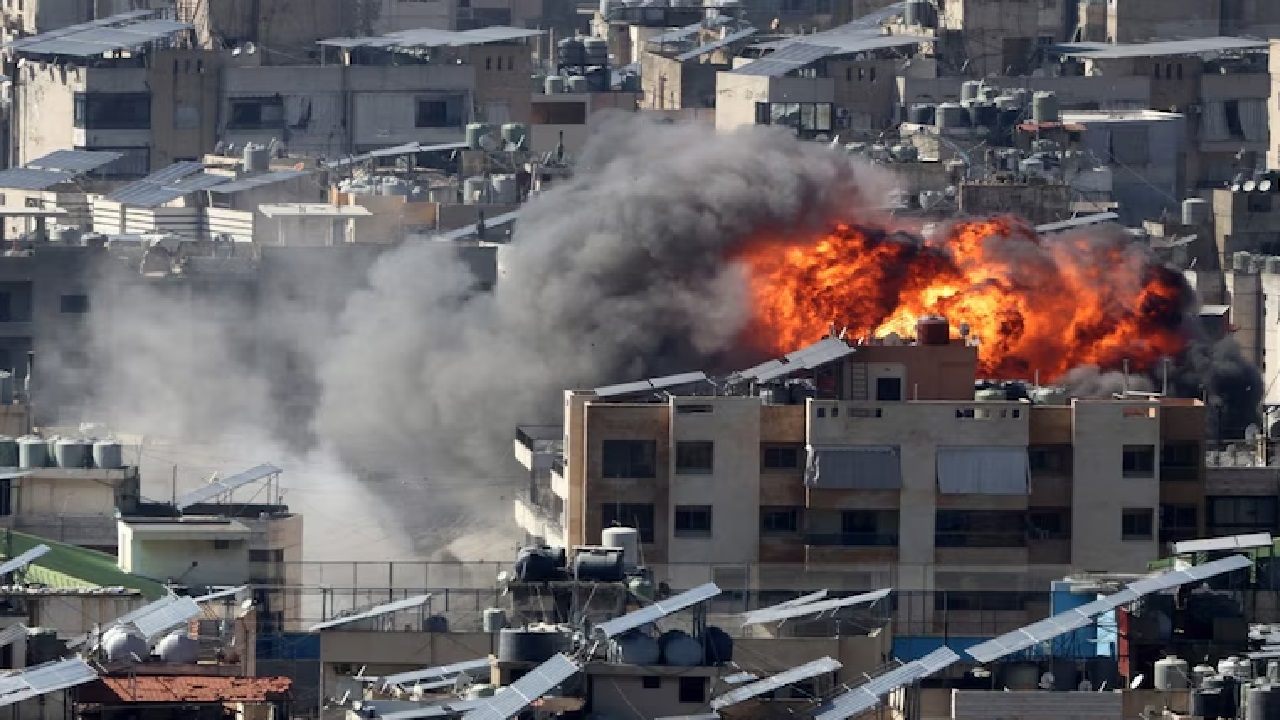
For the citizens of Kathmandu, the crisis was not just political theater. With curfews, soldiers patrolling the streets, flights grounded, and smoke rising over once-protected political enclaves, life in the city came to a sudden standstill. Oli’s departure adds to Nepal’s already staggering record: 14 governments in just 17 years of republican rule.
A Trigger That Exposed Deep Frustrations
The recent unrest began when the government moved to restrict social media — an attempt to curb criticism that backfired spectacularly. Although the ban was reversed within days, distrust had already escalated. On September 8, police fired tear gas and rubber bullets to disperse angry crowds. Nineteen protesters were killed in those clashes, sparking some of the deadliest violence since Nepal became a republic.
Arsonists torched the Singha Durbar complex — the nerve center of Nepal’s administration. Former prime ministers and senior ministers were assaulted, while Rajyalaxmi Chitrakar, spouse of ex-PM Jhalanath Khanal, lost her life in a fire that consumed their residence. By midweek, an indefinite curfew had been declared, and the army assumed responsibility for maintaining order.
The protests, largely driven by Gen Z, reveal a deeper generational divide. For Nepal’s youth, politics has meant nothing but failed promises, migration to foreign labor markets, and little hope of upward mobility at home.
Nepal’s Long Struggle with Stability
To understand today’s unrest, one must revisit Nepal’s turbulent past.
Monarchy and Revolution: After centuries of monarchy, the Rana oligarchy monopolized power until 1951, when popular uprisings opened the door to parliamentary democracy. But hopes quickly collapsed as King Mahendra’s 1960 coup imposed the “Panchayat” system, stifling political parties and dissent.
People’s Movement and Civil War: Multi-party democracy returned in 1990, but governance remained fractured. In 1996, the Maoists launched a bloody insurgency that lasted a decade, killing over 17,000. The monarchy was fatally weakened after the 2001 royal massacre, and by 2006, mass demonstrations forced King Gyanendra to surrender absolute powers.
Republic and New Constitution: The monarchy was abolished in 2008, and Nepal was declared a federal democratic republic. But drafting a new constitution proved a Herculean task, taking until 2015 to complete. The new system — combining direct elections with proportional representation (PR) — was designed to ensure inclusivity for minorities, women, and marginalized groups.
This inclusivity, however, came at the cost of fragmented legislatures. No single party has commanded a majority since. Coalitions became the norm, but they were fragile, opportunistic, and often collapsed before completing terms.
A Revolving Door of Prime Ministers
Since the fall of monarchy, Nepal’s leadership has been a revolving door of familiar names: Prachanda, Sher Bahadur Deuba, Madhav Nepal, Jhala Nath Khanal, Sushil Koirala, and KP Oli. Some, like Deuba, have served five separate stints as prime minister. Others, like Oli and Prachanda, have rotated in and out of coalitions built on fragile agreements that rarely last.
Oli himself symbolized this instability. First ascending to power in 2015, he returned multiple times, most recently in July 2024 under a pact with Deuba to share the premiership until 2027. That agreement crumbled in less than a year, leaving Nepal once more searching for a coalition partner who can cobble together numbers in parliament.
The Structural Fault Lines
Nepal’s inability to sustain stable governance stems from a mix of systemic and cultural flaws:
· Electoral Design: While the proportional representation model increased inclusivity, it produced fractured parliaments where compromise became perpetual currency.
· Corruption: Scandals — from cooperative fraud schemes to telecom irregularities — have tarnished the political class. The FATF greylisting of Nepal in 2025 over money laundering concerns only deepened mistrust.
· Leadership Monopoly: A small circle of aging leaders — Oli, Deuba, and Prachanda — dominate politics, recycling power among themselves. Their obsession with political survival has repeatedly sidelined development.
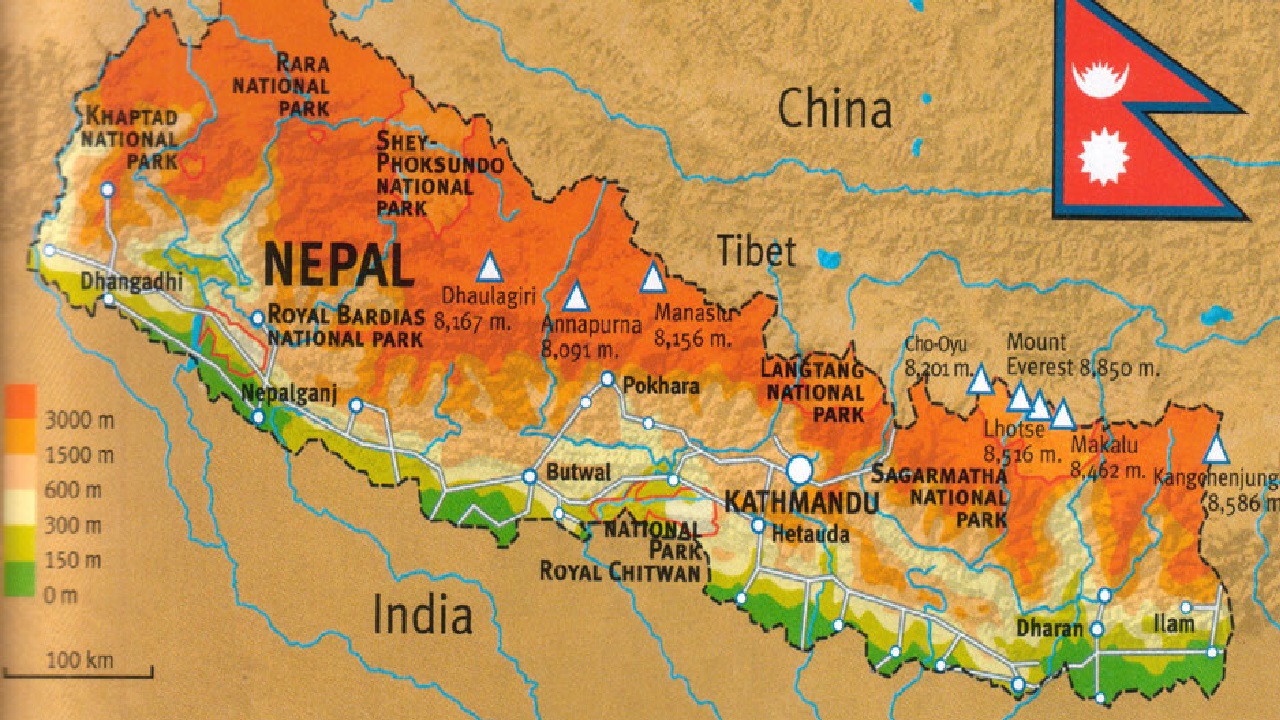
· Geopolitical Pressures: Sandwiched between India and China, Nepal has often been swayed by the interests of its neighbors. Shifts in government usually bring shifts in foreign policy, further destabilizing long-term planning.
The Human Cost of Political Paralysis
For ordinary Nepalis, this instability translates into daily struggles. Job opportunities remain scarce, forcing nearly 4 million citizens to work abroad in Malaysia, South Korea, and Gulf nations. Remittances form over a quarter of Nepal’s GDP, making the economy vulnerable to global shocks.
Meanwhile, infrastructure projects, governance reforms, and public services are constantly disrupted by political infighting. The frustration of youth, now visibly boiling on the streets, stems from decades of exclusion from decision-making processes.
Lessons From the Past and the Road Ahead
Nepal’s endless cycle of collapses and fragile coalitions underscores the urgent need for reforms. Merely reshuffling prime ministers will not resolve the deeper structural issues. A serious debate is required about electoral reform — perhaps recalibrating the balance between proportional representation and direct elections to enable stronger governments.
At the same time, the political elite must recognize that corruption and dynastic politics have alienated a generation. If they fail to engage with Nepal’s restless youth, the streets will continue to dictate political outcomes, often violently.
A Chance to Break the Cycle
Prime Minister Oli’s resignation may feel like déjà vu, but it also presents an opportunity. Nepal’s leaders — if they can rise above factional rivalries — must use this moment to chart a more stable path forward. Beyond coalition bargaining, what Nepal desperately needs is a commitment to governance, integrity, and inclusion.
The people of Nepal, especially its youth, are demanding more than recycled promises. For a country that has endured monarchy, revolution, civil war, and endless political experiments, the call is now for stability with accountability. If Nepal’s political class fails again, the risk is not just another government collapse, but a deeper erosion of faith in the republic itself.
(With agency inputs)