



A Country at Boiling Point
Nepal stands at a precarious moment. Widespread frustration with corruption, economic stagnation, and political dynasties has erupted into one of the most significant uprisings in recent memory. The anger is not only directed at entrenched leaders but increasingly at their children—the so-called “nepo kids”—whose glamorous lifestyles have become a symbol of inequality. Gen Z, armed with smartphones and social media, has turned its discontent into a nationwide movement, reshaping the political landscape and even forcing the resignation of the prime minister.
The Spark Behind the Protests
The protests gained momentum following a temporary social media ban, seen by many as an authoritarian attempt to stifle dissent. But the real fuel came from online outrage against the privileged heirs of political families. In a nation where nearly one-quarter of the population lives below the poverty line, photos of luxury vacations, high-end handbags, and sleek cars posted by politicians’ children struck a raw nerve. Viral hashtags such as #NepoKids and #PoliticiansNepoBabyNepal spread across TikTok, Instagram, and X, contrasting elite indulgence with images of ordinary Nepalis struggling with floods, blackouts, and soaring food prices.
Violence in the Streets
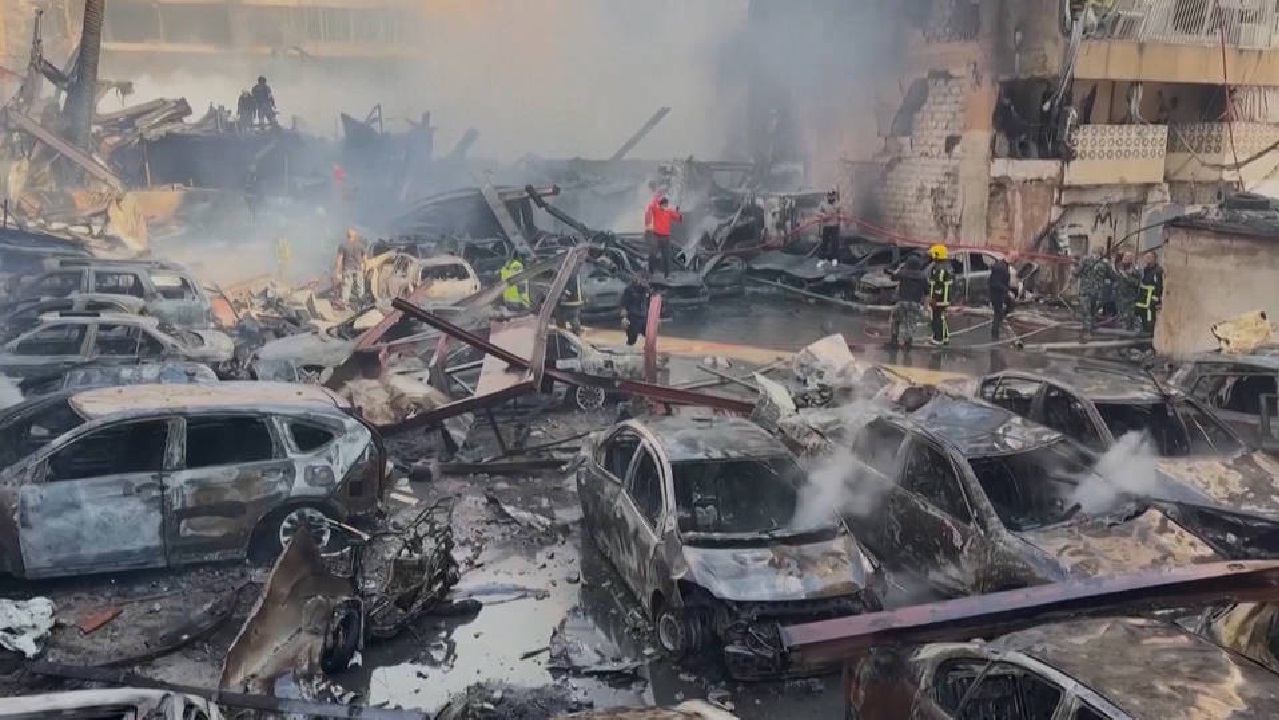
As the anger spilled offline, Nepal witnessed a wave of unrest that shook its fragile democracy. Protesters torched government buildings, stormed official offices, and attacked the residences of political leaders. Roads were barricaded, and clashes with police turned deadly. The toll has been heavy: 34 lives lost and over 1,000 injured. Yet, the movement shows no sign of fading, driven by a generational resolve to demand accountability from those who have long treated politics as a family inheritance.
Who Are the “Nepo Kids”?
The movement has put a spotlight on high-profile figures once admired for their fame or beauty but now viewed as symbols of privilege.
· Shrinkhala Khatiwada, former Miss Nepal and daughter of ex-health minister Birodh Khatiwada, saw her Instagram following plunge from over a million to under 902,000 as she faced criticism for her silence. Her feed, filled with photos from London, New York, and Swiss holidays, contrasted sharply with the suffering in the streets.
· Shivana Shrestha, a singer and daughter-in-law of former Prime Minister Sher Bahadur Deuba, came under fire for flaunting lavish homes and designer fashion with her husband.
· Smita Dahal, granddaughter of former prime minister Pushpa Kamal Dahal “Prachanda,” faced backlash for showcasing luxury handbags worth lakhs while youth unemployment soared.
· Saugat Thapa, son of Law Minister Bindu Kumar Thapa, became another lightning rod after photos of his opulent lifestyle spread widely online.
These individuals, once shielded by family prestige, now embody the very inequalities fueling the movement.
Generational Frustration and the Corruption Trap
For young Nepalis, the battle is not only about nepotism but also about structural failures. Transparency International consistently ranks Nepal among Asia’s most corrupt states. Scandals involving collusion between politicians and officials rarely lead to convictions, feeding cynicism about governance. As Raqib Naik of the Center for the Study of Organized Hate observed, the striking contrast “between elite privilege and everyday hardship” gave Gen Z a unifying narrative that transformed discontent into action.
The government’s attempt to restrict social media only deepened resentment. For a generation that organizes, communicates, and protests online, the ban felt like an attack on their identity and freedom.
A Nation at a Crossroads
Nepal’s turmoil highlights a deep crisis of legitimacy for its ruling elite. The resignation of the prime minister may ease immediate tensions, but it does not resolve the underlying anger. Gen Z protesters are not merely calling for leadership changes; they are questioning the entire culture of inherited power and corruption that has defined politics for decades.
Toward Renewal or Rupture?
Nepal now faces a defining choice. Its leaders can respond with cosmetic reshuffles and repression, or they can seize this moment to institute genuine reform. Addressing corruption, creating opportunities for youth, and dismantling entrenched privilege are not optional—they are essential for restoring trust.
The revolt against the “nepo kids” is more than a generational tantrum; it is a demand for fairness and dignity in a nation tired of double standards. Whether Nepal emerges stronger or sinks deeper into instability will depend on whether its political class finally listens to the voices it has long ignored.
(With agency inputs)