A Deal That Redraws Hollywood’s Power Map
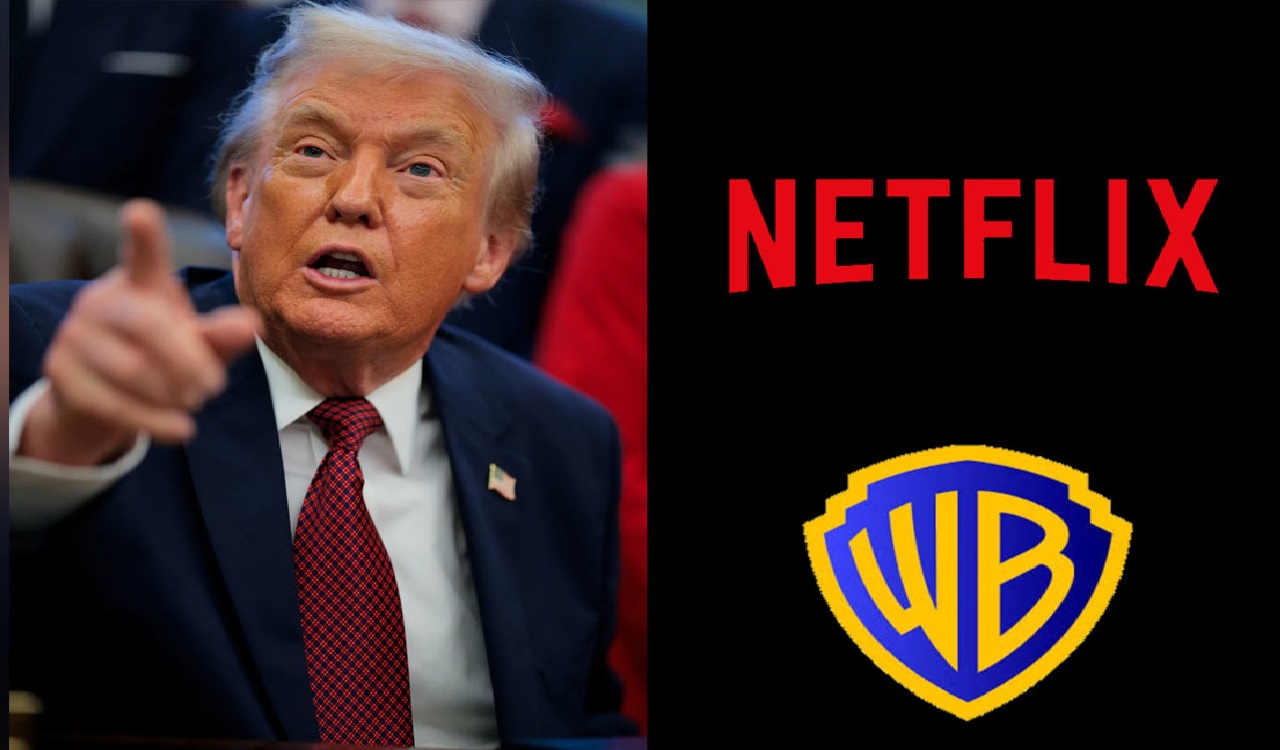
Netflix’s proposed multibillion-dollar takeover of Warner Bros. Discovery’s studios, HBO, and streaming operations has thrown the global entertainment industry into one of its most consequential debates in decades. What began as a bold strategic bid to consolidate premium content under a single platform quickly escalated into a political flashpoint when U.S. President Donald Trump announced personal involvement in the review process. His warnings that the merger could create excessive market dominance have transformed a corporate transaction into a geopolitical and regulatory battleground—one that could redefine the future structure of streaming.
Deal Structure and Strategic Intent
Announced on December 5, the all-cash acquisition—valued between $72 and $83 billion—would give Netflix control of some of the world’s most valuable franchises, from Harry Potter and Game of Thrones to the entire DC Comics universe. Netflix’s leadership views Warner’s deep intellectual-property library as the missing piece in their bid to counter intensifying competition from Disney+, Amazon Prime Video, and regional challengers. With more than 300 million global subscribers, Netflix aims to fuse Warner’s rich catalog with its own production engine, unlocking distribution efficiencies and strengthening bargaining power across markets. Despite this, a hefty $5.8 billion breakup fee looms should the deal collapse.
Market Share After the Merger: How Big Would Netflix Become?
Before the deal, Netflix commands roughly 20–25% of the U.S. subscription streaming market, with around 80 million domestic subscribers. Warner’s HBO Max contributes an additional 5–8%, representing 50–60 million U.S. users. A combined entity would hold approximately 33% of U.S. SVOD share, or 130–140 million domestic subscribers—far outpacing Disney’s combined bundle and edging ahead of Amazon Prime Video.
This concentration pushes the merged company into a zone where the Herfindahl–Hirschman Index (HHI) would exceed 2,500, a threshold that signals “presumptive illegality” under the DOJ’s Horizontal Merger Guidelines. Globally, where Netflix already commands over 60% of paid SVOD share, the merger amplifies its dominance, though U.S. metrics will anchor regulators’ judgments.
Antitrust Pressure and Trump’s Intervention
Trump’s public remarks—calling Netflix’s post-merger market power “a problem”—have amplified scrutiny within the DOJ and FCC. While he praised Netflix co-CEO Ted Sarandos as a “phenomenal” executive, he simultaneously stressed that he would be “involved in the decision,” triggering prediction markets to slash the deal’s likelihood of approval. Competitors, including Paramount’s David Ellison, argue the deal would undermine competition, narrow content diversity, and strengthen an already powerful gatekeeper.
Hollywood, Wall Street, and Global Regulators Watch Closely
Approval would create a content powerhouse exceeding $200 billion in combined value. Rejection could spark lawsuits, force asset fire sales, or push Warner toward alternative suitors like Comcast. Meanwhile, EU and UK regulators—operating under new Digital Markets Act rules—may filter the deal through stricter gatekeeper criteria, extending the regulatory timeline.
A Merger That Will Shape the Future of Streaming
The Netflix–Warner Bros. merger is more than a corporate acquisition; it is a referendum on how much power a single platform should wield in global entertainment. While Netflix argues that combining libraries will benefit consumers and reduce costs, regulators fear diminished competition, rising prices, and an unprecedented concentration of cultural influence. With political scrutiny intensifying and antitrust risks mounting, the deal’s future remains uncertain. What is clear, however, is that whatever the outcome, this battle will reshape the trajectory of streaming for years to come.
(With agency inputs)