


The Lingering Curse of Caste-Based Discrimination
Despite decades of constitutional safeguards and social reform, inter-caste marriages continue to face stigma and hostility in many parts of India. In particular, rural areas across states like Uttar Pradesh, Rajasthan, Tamil Nadu, and Odisha often witness violent or socially coercive reactions to such unions. While the government promotes inter-caste marriage schemes to encourage social harmony, ground realities reveal deeply entrenched caste prejudices—often resulting in ostracism, humiliation, and even violence. The latest incident from Odisha’s Rayagada district exposes the extent to which caste taboos persist in tribal communities and the urgent need for institutional intervention.
The Incident: A Marriage Met with Social Boycott
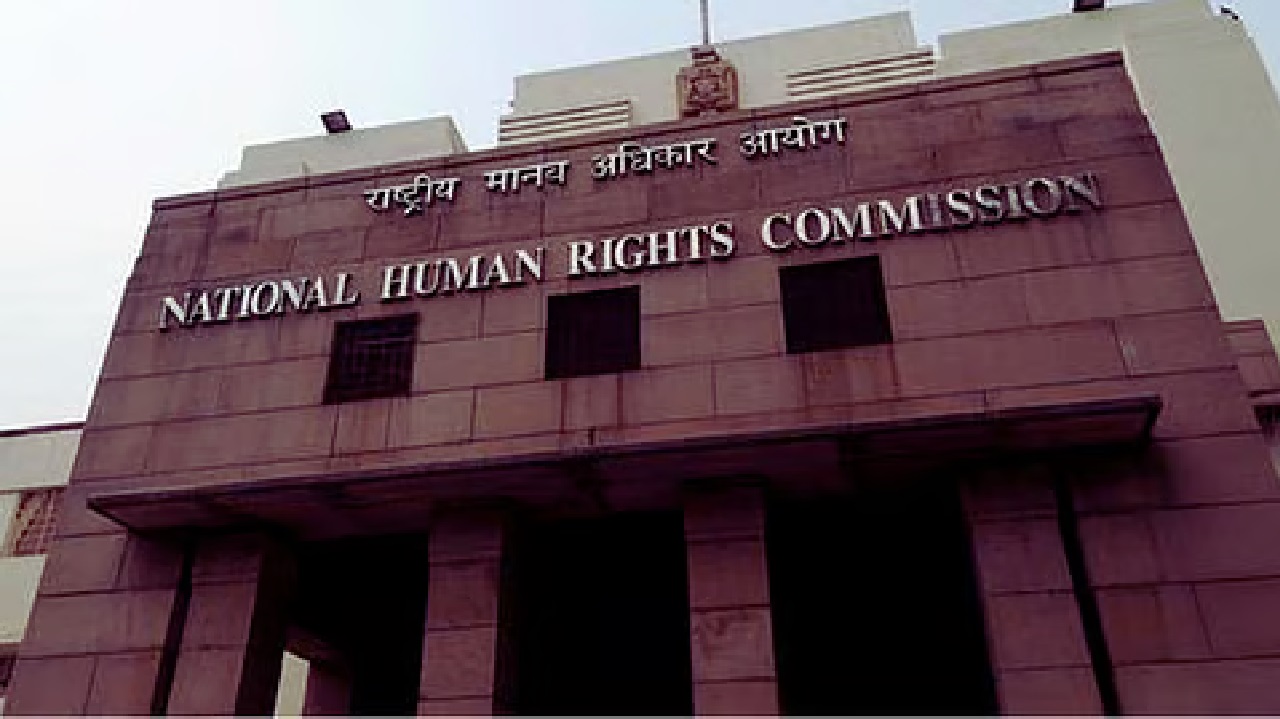
The National Human Rights Commission (NHRC) has taken suo motu cognisance of a disturbing media report from Baiganaguda village in Odisha’s Rayagada district. According to the report, a tribal woman from the Scheduled Tribe (ST) community married a man belonging to the Scheduled Caste (SC) category—against the wishes of her family and the local community.
In retaliation, villagers imposed a social boycott on her extended family, demanding they undergo a ‘purification’ ritual to be re-accepted. The ritual included animal sacrifices and the forced tonsuring of at least 40 family members, including elderly men and women, as an act of communal penance.
The incident took place on June 19 in the Kashipur area and became widely known after a video of the tonsuring and animal sacrifices went viral on social media, sparking outrage across the state.
NHRC Response: Human Rights Concerns Raised
Deeply concerned by the incident, the NHRC has issued a formal notice to Odisha’s Chief Secretary, demanding a comprehensive report within two weeks. The Commission stated that if the contents of the media report are accurate, they reflect serious violations of basic human rights—particularly the right to dignity, freedom from discrimination, and protection against social ostracism.
The NHRC’s notice emphasizes the need to investigate the coercive nature of the rituals and examine whether state officials failed to intervene in a timely manner. The notice also directs the state to explain what protective or rehabilitative measures are being offered to the affected family.
Traditional Rituals or Social Injustice?
The so-called purification ritual reportedly involved the sacrifice of goats, chickens, and pigs to appease a local deity—a practice still observed in some tribal customs. However, the mandatory nature of the ritual and the threat of indefinite social boycott reveal that the act was not voluntary, but rather enforced under communal pressure.
Locals claim the community elders held a panchayat where they decided that the woman’s family had to atone for violating traditional norms. The family’s choice was stark: comply with humiliating rituals or face complete exclusion from village life.
While cultural traditions in tribal areas often serve as community bonding practices, in this case, they appear to have crossed over into institutionalized discrimination, coercion, and psychological abuse.
Government Action: Investigation Underway
Following the public outcry, the Rayagada district administration ordered an inquiry led by the Kashipur Block Development Officer (BDO). Preliminary findings suggest the incident indeed occurred and was carried out under the supervision of village leaders.
Officials are currently collecting testimonies and examining the video footage for further legal action. However, as of now, no arrests have been made, and it remains to be seen whether criminal charges—such as wrongful confinement, intimidation, or violation of constitutional rights—will be pursued.
A Wake-Up Call for Inclusive Reform
This disturbing incident from Odisha is a stark reminder of how caste-based biases continue to plague Indian society, even within marginalized tribal communities. Despite numerous laws promoting inter-caste unity—including the Special Marriage Act and schemes incentivizing such unions—ground realities remain disheartening.
While the NHRC’s intervention is a step in the right direction, it must be followed by robust state action, including community sensitization programs, legal accountability, and institutional support for victims of caste-based persecution.
Inter-caste marriage should be celebrated as a step toward social harmony—not punished with medieval rituals and humiliation. India’s path to equality demands not just constitutional provisions, but a collective cultural shift toward dignity and acceptance.
(With agency inputs)