


Diplomatic Flashpoint: Abuja Pushes Back Against U.S. Threats
The Nigerian government has firmly rejected threats of possible U.S. military action, following statements suggesting Washington might intervene over alleged persecution of Christians in Nigeria. The warning, reportedly originating from U.S. President Donald Trump, proposed halting American aid and preparing for potential military operations unless the Nigerian government “stopped the mass slaughter of Christians.”
Daniel Bwala, spokesperson for President Bola Tinubu, dismissed the threats as misguided and based on misinformation, stressing that the United States has no legal or moral authority to unilaterally deploy forces on Nigerian soil. He added that such remarks reflected Trump’s “characteristic forceful approach,” often intended to provoke dialogue rather than immediate confrontation.
Complex Realities: A Nation Divided but Not Along One Faith
Nigeria—Africa’s most populous country, home to more than 230 million people—has a deeply diverse religious and ethnic makeup, with a predominantly Muslim north and a largely Christian south.
However, officials and analysts argue that framing the country’s security crisis as a campaign of Christian persecution oversimplifies a multifaceted conflict.
Groups like Boko Haram and Islamic State–West Africa Province (ISWAP) have unleashed devastating violence in the northeast for over a decade, killing tens of thousands and displacing millions. Yet, experts note these insurgents attack both Muslims and Christians, targeting anyone perceived as opposing their ideology.
According to Nigerian authorities, such violence stems from terrorism, ethnic rivalries, and resource conflicts—not a government-sanctioned religious agenda.
Trump’s Warning: Rhetoric or Real Threat?
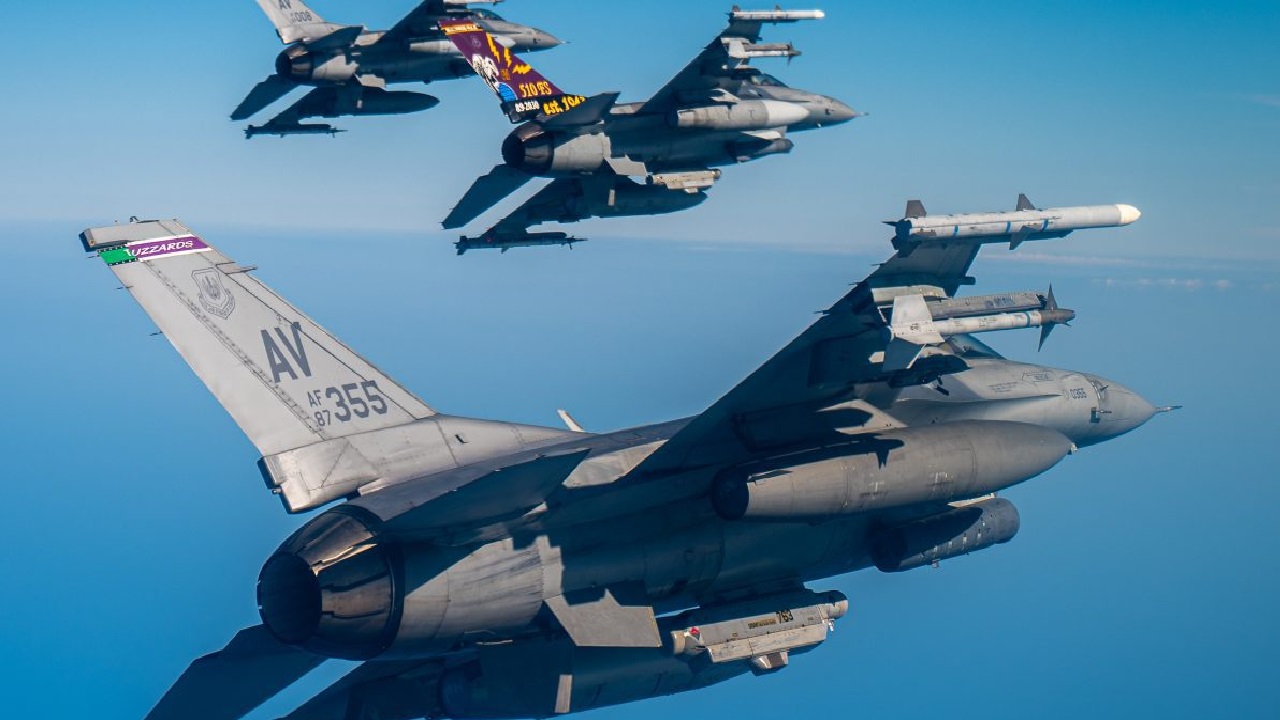
Trump’s comments, made during a conservative forum and amplified by U.S. media, included calls to cut all American aid to Nigeria and prepare for rapid military deployment to “defend persecuted Christians.” His vivid language—describing a “mass slaughter” and promising that U.S. troops could enter “guns blazing”—sparked outrage and anxiety across Nigeria.
Analysts view these statements as politically charged, reflecting Trump’s attempt to appeal to his evangelical support base rather than a formal U.S. policy shift. Still, the rhetoric raised diplomatic tensions, prompting Abuja to issue strong assurances that Nigeria would not tolerate foreign military intrusion, emphasizing sovereignty and mutual respect in bilateral relations.
Nigeria’s Position: Partnership, Not Intervention
In response, Nigeria reaffirmed its commitment to religious freedom and protection of all citizens, regardless of faith. Presidential spokesperson Daniel Bwala emphasized that Nigeria remains open to intelligence sharing and counterterrorism cooperation with Washington—so long as such efforts respect Nigeria’s territorial integrity.
The government also highlighted ongoing domestic security reforms and military operations aimed at suppressing insurgencies in the northeast and curbing communal violence across the Middle Belt. Abuja’s message was clear: Nigeria welcomes constructive international engagement, but rejects unilateral militarization under the pretext of humanitarian concern.
The Need for Nuance and Sovereignty
The recent U.S.–Nigeria dispute exposes the fragile intersection of religion, security, and geopolitics in modern Africa. While the United States portrays its stance as defending human rights, Nigeria argues that its crisis cannot be reduced to a single-faith persecution narrative.
By rebuffing threats of foreign intervention, Nigeria has reasserted its sovereignty and diplomatic independence, calling instead for balanced cooperation and mutual respect. As tensions ease, both nations face a critical test: to move beyond rhetoric and pursue collaborative strategies against terrorism that protect all communities—without igniting new geopolitical fault lines.
(With agency inputs)