The World’s Most Prestigious Science Honor
The Nobel Prize—the pinnacle of scientific and humanitarian recognition—has long celebrated breakthroughs that change the course of human understanding. Among its six categories, the Nobel Prize in Physiology or Medicine holds a special place for honoring discoveries that redefine health and life itself.
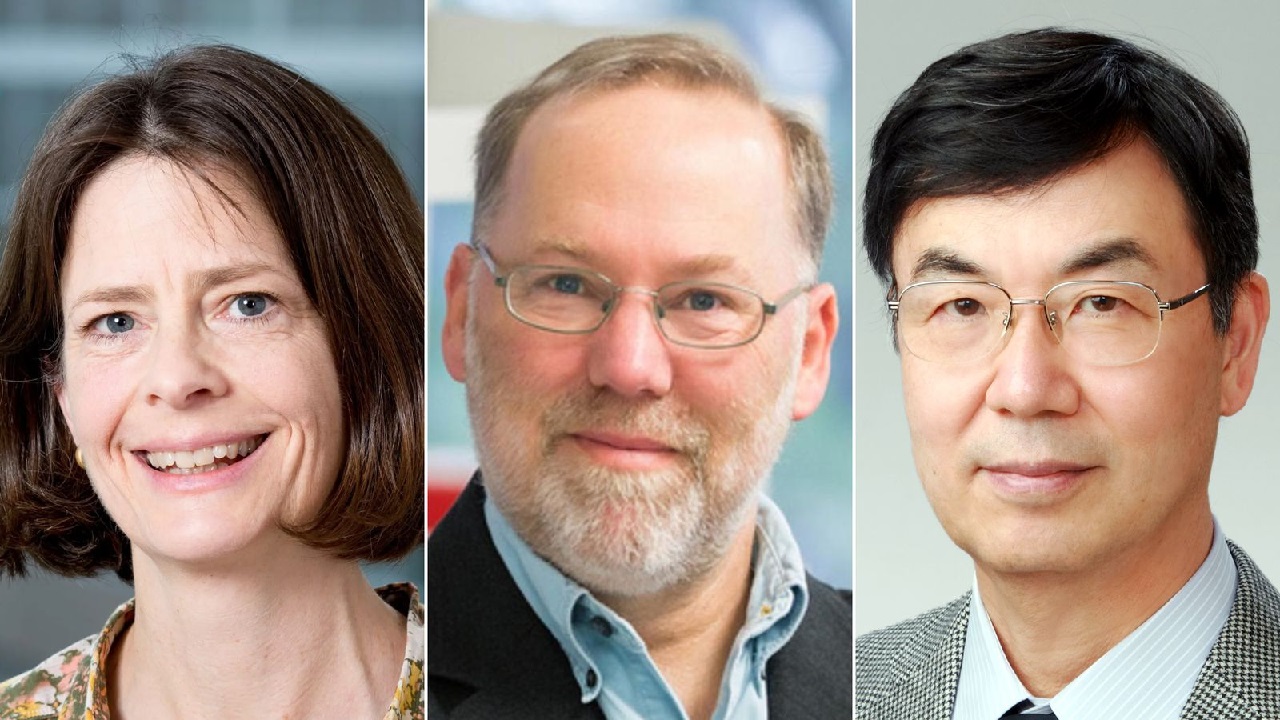
In 2025, this coveted award has been presented to Mary E. Brunkow, Fred Ramsdell, and Shimon Sakaguchi for their revolutionary work in immunology. Their discoveries unveiled how the human immune system distinguishes friend from foe, paving the way for new treatments against cancer, autoimmune disorders, and transplant rejection.
The Discovery: Understanding the Immune System’s Self-Control
The Nobel Committee commended the laureates for identifying regulatory T cells—the “security guards” of the immune system that prevent it from attacking the body’s own tissues. This discovery, which transformed modern immunology, has helped scientists understand why autoimmune diseases occur and how they can be controlled.
Before their work, it was believed that immune tolerance—the body’s ability to avoid attacking itself—was maintained only by destroying harmful cells in the thymus through a process called central tolerance. However, in 1995, Japanese scientist Shimon Sakaguchi, now 74, uncovered a new layer of immune regulation known as peripheral tolerance, revealing the existence of regulatory T cells that act as peacekeepers within the immune system.
Cracking the Genetic Code of Autoimmune Disease
American researchers Mary E. Brunkow and Fred Ramsdell took Sakaguchi’s discovery further. In 2001, while studying a strain of mice known as scurfy, they found that mutations in a gene called Foxp3 led to devastating autoimmune disorders. Their work revealed that this same gene, when mutated in humans, causes a rare but deadly disease known as IPEX (Immune dysregulation, Polyendocrinopathy, Enteropathy, X-linked syndrome).
By linking the Foxp3 gene to immune regulation, Brunkow and Ramsdell uncovered the genetic blueprint of autoimmune malfunction. Their discovery provided the foundation for targeted therapies that can restore immune balance, and it has already inspired clinical trials in cancer immunotherapy and organ transplantation.
“These breakthroughs are fundamental to our understanding of immunity and why we don’t all develop severe autoimmune diseases,” said Olle Kämpe, chair of the Nobel Committee.
Profiles of the 2025 Laureates
· Shimon Sakaguchi (Japan, 74) – Immunologist known for discovering regulatory T cells, reshaping immunology’s understanding of self-tolerance.
· Mary E. Brunkow (USA, 64) – Molecular biologist whose work on the Foxp3 gene clarified the genetic roots of immune dysfunction.
· Fred Ramsdell (USA, 65) – Immunologist who connected Foxp3 mutations to human autoimmune diseases, bridging laboratory research with clinical medicine.
Indian Nobel Laureates: A Legacy of Excellence
India has a proud history of Nobel recognition, with laureates across peace, literature, and science. Notable Indian Nobel winners include:
· Rabindranath Tagore (Literature, 1913) First Indian (and first Asian) to win Nobel, for Gitanjali (“profoundly sensitive, fresh and beautiful verse”)
· C. V. Raman (Physics, 1930) – For the discovery of the Raman Effect.
· Har Gobind Khorana (Medicine, 1968) – Shared the Nobel for work on genetic code and protein synthesis (India-born, U.S. citizen).
· Mother Teresa (Peace, 1979) – For humanitarian work in Kolkata.
· Amartya Sen (Economics, 1998) – For contributions to welfare economics.
· Kailash Satyarthi (Peace, 2014) – For his campaign against child labor.
While India has produced only one Nobel laureate in Medicine-related research—Har Gobind Khorana—his legacy continues to inspire new generations of Indian scientists in molecular biology and genetics.
A Leap Forward for Global Health
The 2025 Nobel Prize in Medicine highlights how curiosity-driven research can transform human health. By revealing how the immune system governs itself, Brunkow, Ramsdell, and Sakaguchi have not only deepened scientific understanding but also opened new therapeutic frontiers.
Their work embodies the spirit of Alfred Nobel’s vision—to honor discoveries that most benefit humankind. As the world battles complex diseases like cancer, diabetes, and autoimmune disorders, their insights may well redefine medicine for decades to come, proving once again that the smallest cells can spark the biggest revolutions.
(With agency inputs)