Oman Hosts High-Stakes Return to Diplomacy
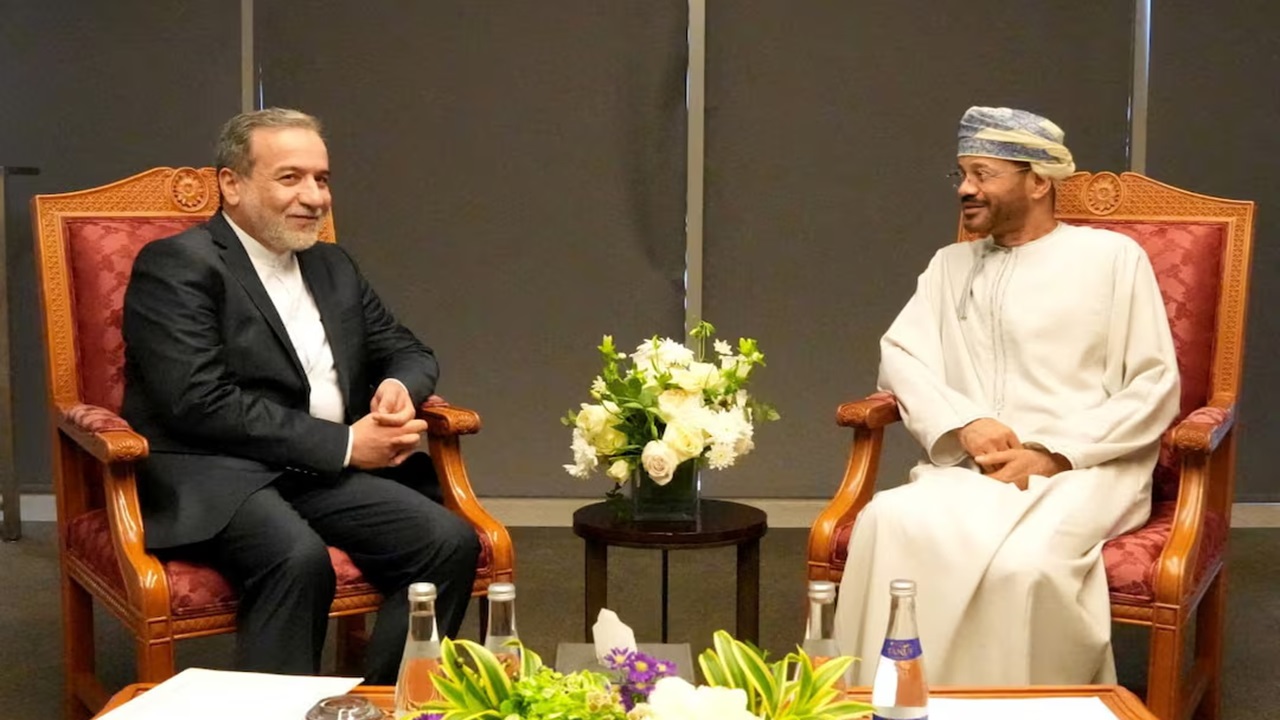
On February 6, Washington and Tehran are set to restart nuclear negotiations in Oman, reviving a fraught diplomatic channel overshadowed by sharp warnings from US President Donald Trump to Iran’s Supreme Leader, Ayatollah Ali Khamenei. The talks come after months of escalating rhetoric, targeted strikes, and military deployments across the Gulf, underscoring a paradox: diplomacy is resuming even as coercive pressure intensifies.
A Fragile Opening in a Tense Relationship
The renewed engagement marks another chapter in a volatile relationship shaped by sanctions, proxy confrontations, and stalled diplomacy. Since the United States exited the 2015 nuclear accord during Trump’s first presidency, Iran has gradually expanded its enrichment activities and advanced its nuclear capabilities. Attempts at reviving the deal during subsequent administrations faltered, leaving both sides entrenched in mutual distrust.
Now, with negotiations returning to Muscat—long regarded as a discreet intermediary—the objective is to explore a framework that might curb Iran’s nuclear advances in exchange for sanctions relief. Yet the backdrop is anything but stable: domestic unrest inside Iran, ongoing regional tensions, and Washington’s military signaling have all heightened the stakes of these talks.
Oman’s Mediation and the Diplomatic Context
Oman’s role as a neutral facilitator is central to the current effort. The Gulf state has historically provided a quiet venue for sensitive US–Iran contacts, including the early stages of the original nuclear agreement. This time, the format remains contested. Tehran has indicated a preference for a narrow focus on nuclear issues and sanctions, while Washington seeks a broader discussion encompassing missile development and regional proxy activity.
Despite these differences, both sides have agreed to resume dialogue, reflecting a shared interest in preventing further escalation. Iran faces mounting economic and political strain at home, while the United States aims to halt or slow Tehran’s nuclear progress without triggering a wider conflict.
How the Trump Administration Has Applied Military Pressure
Alongside diplomatic overtures, the Trump administration has relied heavily on military and strategic pressure to push Iran toward concessions. A key element has been the use of targeted strikes on nuclear and military infrastructure. In 2025, US forces carried out a major operation against Iranian nuclear facilities, employing long-range bombers and precision weapons to damage critical sites and signal Washington’s willingness to act militarily if negotiations fail.
The administration has also intensified operations against Iran-aligned groups across the region. Air and naval strikes targeting militia networks and armed factions linked to Tehran have aimed to disrupt supply lines and deter attacks on US or allied interests. This has been paired with support for allied actions against Iranian missile systems and proxy forces in multiple theatres.
Military deployments have further reinforced the pressure campaign. Carrier strike groups, strategic bombers, and additional naval assets have been repositioned in and around the Gulf, creating a visible deterrent posture. These moves are designed to demonstrate readiness for escalation while keeping channels for negotiation open. Economic sanctions and penalties on entities linked to Iran’s energy trade complement the military dimension, forming a broader strategy of coercion intended to force Tehran back to the bargaining table.
Diplomacy at the Edge of Escalation
The resumption of talks in Oman highlights the uneasy balance between confrontation and compromise in US–Iran relations. While both sides appear willing to test the waters of diplomacy, the shadow of military force looms large. For Washington, pressure is a tool to extract stronger commitments; for Tehran, negotiations offer a possible route to economic relief and strategic breathing space. Whether these talks produce a breakthrough or merely delay further confrontation will depend on the ability of both sides to reconcile security demands with political realities.
(With agency inputs)