
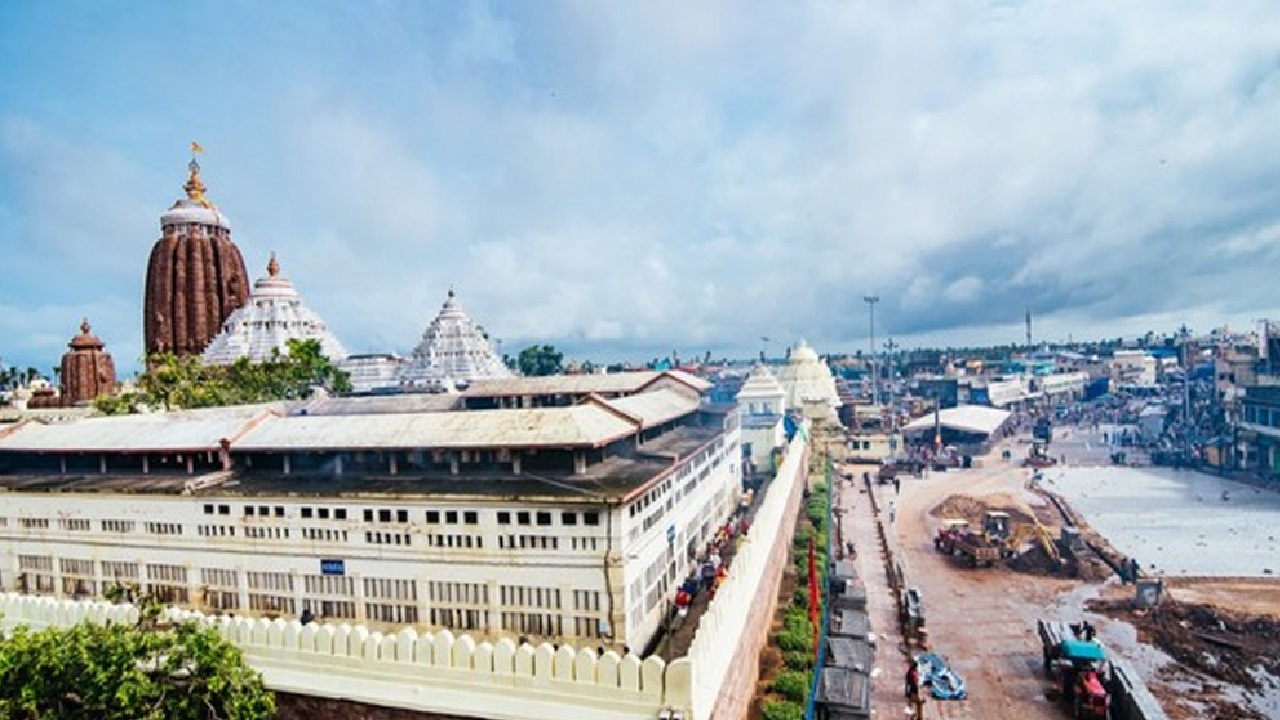
Puri’s Transformation: Balancing Faith, Heritage, and Modernity
The Odisha government has intensified its efforts to reshape Puri into a world-class heritage city, blending spirituality with sustainable urban development. Revered as the sacred abode of Lord Jagannath and one of India’s holiest pilgrimage centers, Puri is undergoing a landmark transformation aimed at preserving its religious legacy while upgrading its civic and cultural infrastructure.
In a high-level review meeting held on Friday, Deputy Chief Minister Pravati Parida and Law, Works, and Excise Minister Prithviraj Harichandan jointly assessed the progress of various developmental projects. The meeting focused on ensuring that Puri’s evolution into a modern city does not come at the expense of its divine and historic essence.
Deputy CM Parida underlined the global spiritual significance of the Shree Jagannath Temple, describing Puri as a “dream destination for millions of devotees.” She called for coordinated efforts between government bodies, civic agencies, and the public to expedite ongoing projects that will make the city “vibrant, beautiful, and spiritually enriching.”
Timely Execution and Accountability
Minister Prithviraj Harichandan acknowledged that managing projects of such scale in a historic city presents logistical challenges, but urged officials to maintain precision and pace. “With systematic planning and determination, obstacles can be overcome,” he said, stressing the need for timely completion and quality execution across all initiatives.
The government’s approach aims to strike a balance—modernizing infrastructure while protecting the sanctity of the Jagannath Dham, one of the four sacred Char Dhams of Hinduism.
Key Projects Redefining Puri’s Landscape
The review highlighted several flagship initiatives reshaping the holy city:
· Beautification of the Shree Gundicha Temple to enhance the spiritual and aesthetic experience for devotees.
· Upgradation of Pramod Udyan, a key recreational and cultural hub.
· Shree Mandir Adarsh Gurukulam, which will promote Jagannath culture and nurture traditional scholarship.
· Sevayat Housing Project, offering modern residences for temple servitors and improving their quality of life.
· Raghunandan Library and Shree Jagannath Research Centre, envisioned as premier institutions for heritage study and cultural preservation.
· Bhakta Niwas, being developed at the site of the old police station, to provide affordable accommodation for pilgrims.
· Conservation of historic monuments like Atharnala, ensuring the city’s architectural treasures are protected.
These projects reflect the government’s holistic vision—one that intertwines urban renewal, heritage conservation, and social inclusion.
Preserving Identity Through Design
Officials also reviewed architectural and infrastructural guidelines to ensure that Puri’s redevelopment retains its distinct Odia cultural identity. All new constructions will incorporate traditional architectural motifs, reinforcing a sense of continuity between past and present.
Unsafe structures near the Jagannath Temple will be cleared, while modern civic amenities and advanced equipment will enhance urban management. Moreover, all projects will adhere to National Heritage Authority norms, requiring mandatory approvals from the Puri-Konark Development Authority, ensuring heritage remains at the heart of modernization.
Collaborative Governance for Inclusive Growth
The meeting saw participation from senior officials including OBCC Managing Director Sameer Hota, EIC (Civil) Satyabrata Behera, Puri District Collector Divyajyoti Parida, and Shree Jagannath Temple Chief Administrator Arabinda Padhee. Their involvement underscored the integrated, multi-departmental approach driving the transformation.
This collective model of governance ensures that expertise, transparency, and local participation remain central to Puri’s redevelopment.
A Blueprint for Sacred Urban Renewal
The Odisha government’s vision for Puri is not merely infrastructural—it’s transformational. By blending tradition with technology, and spirituality with sustainability, the state aims to create a global model for heritage-based urban renewal.
As Puri moves toward becoming a world-class pilgrimage and cultural destination, it stands as a symbol of how progress and preservation can coexist—where faith fuels development, and heritage guides the future.
(With agency inputs)