A Strategic Leap for Ocean-Based Innovation
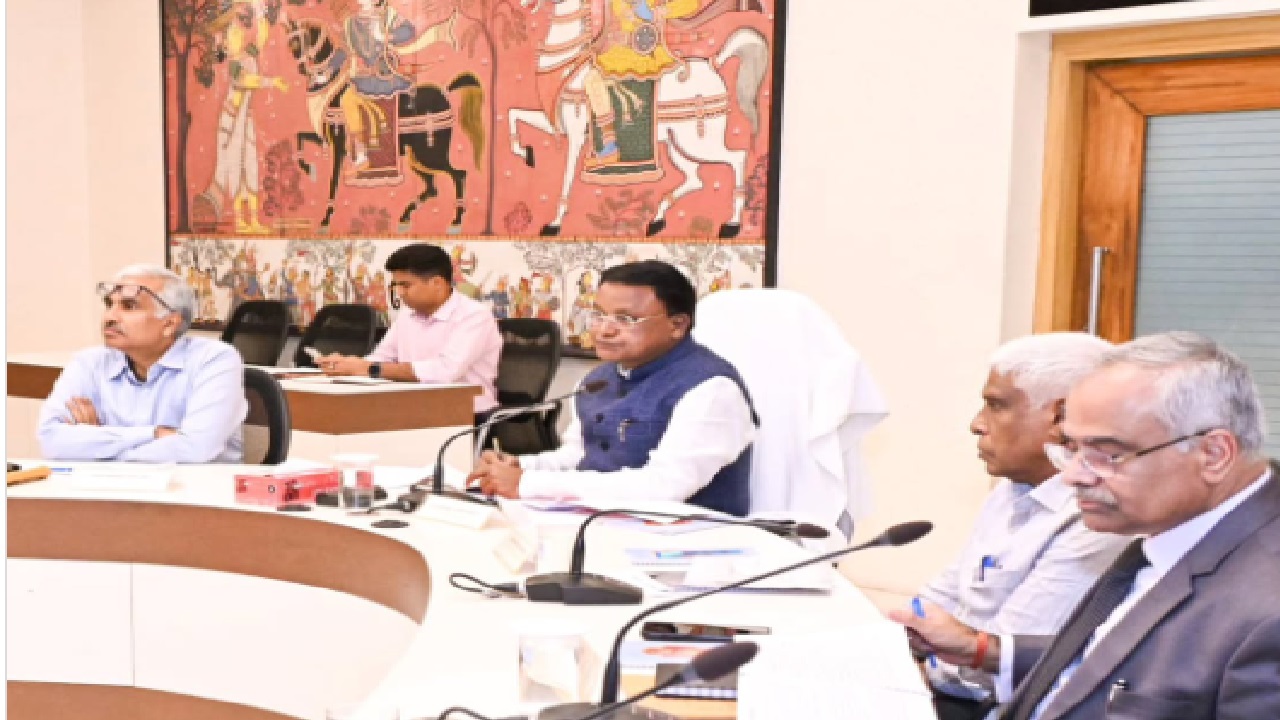
Against the backdrop of intensifying global interest in ocean-based solutions, Odisha has launched a pioneering initiative to transform its coastal and marine resources into drivers of economic, environmental, and social growth. On Tuesday, Chief Minister Mohan Charan Majhi formally unveiled the Odisha Marine Biotechnology Research & Innovation Corridor (OMBRIC) — a flagship project of the State Department of Science & Technology aimed at advancing marine biotechnology and sustainable Blue Economy practices. This program seeks to integrate cutting-edge science with local resources, opening avenues for environmental conservation, science-led tourism, investment inflows, skilled employment, and better livelihoods for coastal communities.
Partnerships to Drive Innovation
To power its research engine, the state government inked a Memorandum of Understanding with the National Institute of Ocean Technology (NIOT) under the Ministry of Earth Sciences. Alongside, six premier higher education institutions in Odisha signed collaboration agreements to provide focused R&D support.
Chief Minister Majhi hailed OMBRIC as more than just a scientific venture, calling it “a beacon for innovation” with the capacity to reshape Odisha’s role in the national and global marine economy.
“At a time when oceans are increasingly seen as the key to food security, climate resilience, and sustainable development, Odisha is positioning itself not merely as a coastal state, but as a coastal innovator,” Majhi stated.
From Lab to Coastline — and Beyond
The CM emphasised that OMBRIC bridges laboratory research with real-world applications, covering the entire spectrum – from genetic discoveries and bioactive molecule development to bioremediation and nutraceutical innovations. This integrated approach, he said, will translate directly into jobs, sustainable practices, and new industries.
He aligned OMBRIC’s mission with Viksit Odisha 2036 and Viksit Bharat 2047, underscoring its role in nurturing marine biotech startups that blend local knowledge with international quality benchmarks. “We are harnessing biodiversity not by exploiting it, but by understanding and responsibly utilising it,” he noted.
Harnessing Odisha’s Geographic and Academic Edge
Odisha boasts a 574-km-long coastline rich in untapped marine bioresources. Recognising this natural advantage and the strength of its academic ecosystem, the state government has identified six institutional hubs to lead specialised components of OMBRIC:
· IIT Bhubaneswar – Mapping and monitoring marine resources via satellites, GIS, drones; evaluating ecosystem health and building capacity.
· NIT Rourkela – Culturing previously unculturable marine microorganisms and extracting novel bioactive compounds for pharma and industry.
· IISER Berhampur – Gene discovery, compound characterisation, and scaling up high-value marine products.
· ILS Bhubaneswar – Establishing a marine microbial biobank, creating an Odisha Marine Bioresource Atlas with genetic data, and promoting blue-tech startups.
· Berhampur University – Documenting biodiversity and analysing metabolites from marine algae, seaweeds, fish, and other fauna.
· Fakir Mohan University – Developing scalable breeding methods for Indian horseshoe crabs and exploring commercial bio-compound applications.
Economic Growth Through Innovation
OMBRIC is designed to operate as a “lab-to-market” pipeline, ensuring that academic breakthroughs are converted into commercially viable products. This will involve generating intellectual property, offering incubation and mentorship for entrepreneurs, and supporting the formation of marine biotech enterprises. Such an approach aims to position Odisha as a leader in marine industrialisation, diversifying its economy while safeguarding ecological integrity.
Empowering Communities, Protecting Ecosystems
Beyond the science, OMBRIC has a strong social impact agenda. Coastal residents will be engaged through training, education, and conservation programs to foster a culture of marine stewardship. This participatory model seeks to enhance both livelihoods and environmental protection, ensuring that local communities are not just beneficiaries but active partners in the state’s blue growth journey.
Science & Technology Minister Krushna Chandra Patra described OMBRIC as “a blueprint for a prosperous future,” pledging full state support to unlock Odisha’s marine potential. Chief Secretary Manoj Ahuja, along with other senior officials and academic leaders, echoed this sentiment, highlighting the project’s alignment with global sustainability goals.
A Vision for a Global Role
By positioning itself at the intersection of marine science, industry, and community engagement, Odisha is seeking not only to address local challenges but also to contribute solutions to global issues – from sustainable aquaculture and marine biodiversity conservation to climate adaptation.
The initiative reflects a forward-looking vision where oceans are valued as sources of renewable wealth, not just as exploited resources. Through OMBRIC, Odisha aims to attract international collaboration, investment, and recognition as a hub for marine innovation.
Riding the Blue Wave Responsibly
OMBRIC is both an economic strategy and a statement of intent — a recognition that the future of growth will be shaped as much by blue economies as by green ones. By combining scientific excellence, business opportunities, and community participation, Odisha is setting the stage for a resilient and inclusive marine economy.
The real test will be in execution: ensuring sustained funding, seamless institutional coordination, and the careful balancing of development with conservation. If implemented effectively, OMBRIC could place Odisha at the forefront of global marine biotechnology while offering a replicable model for other coastal regions in India and beyond.
(With agency input)