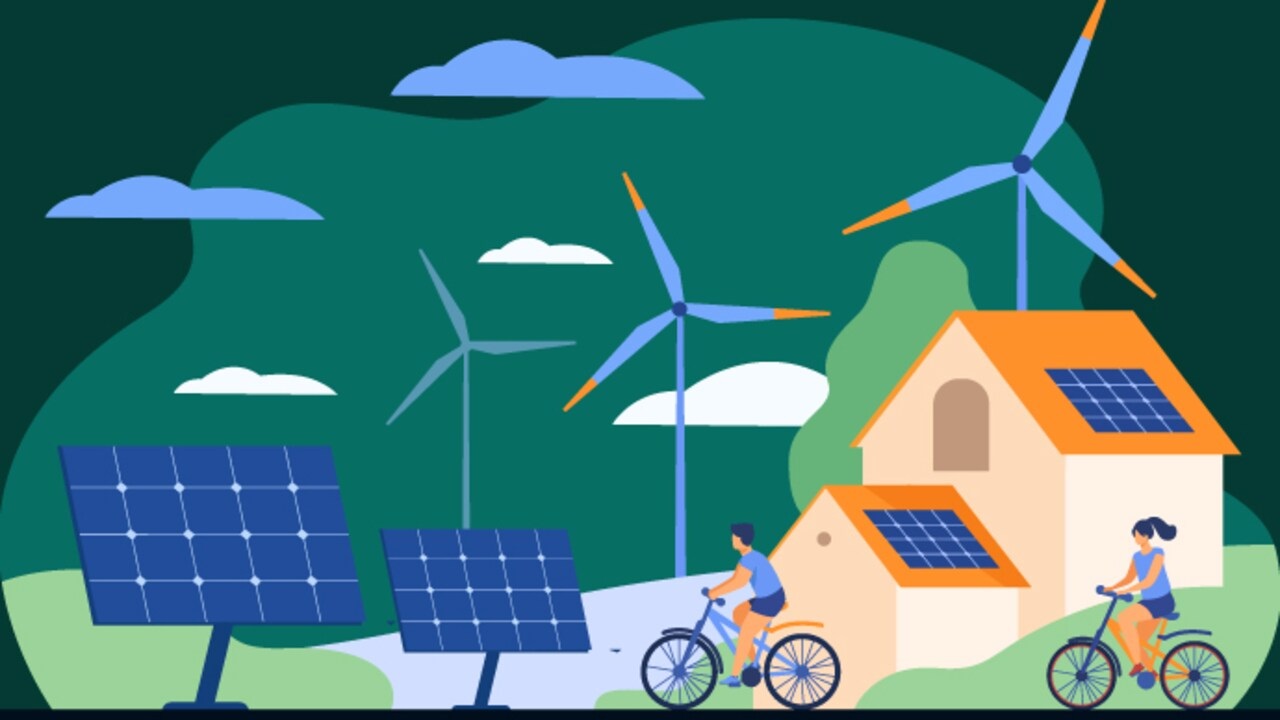
A Roadmap Toward a Greener Odisha
In a decisive move to shape a sustainable and energy-secure future, Odisha has embarked on a mission to create a strategic roadmap for cost-effective clean energy transition. The state government, in collaboration with NITI Aayog and the Institute for Sustainability, Employment and Growth (ISEG) Foundation, has signed a tripartite Statement of Intent (SoI) to accelerate its shift toward renewable energy and reduce dependence on fossil fuels. The agreement, formalized in Bhubaneswar, marks a major milestone in Odisha’s pursuit of its long-term vision— “Viksit Odisha @2036”—and aligns seamlessly with India’s national development goal of “Viksit Bharat @2047.”
A Strategic Push for Sustainable and Affordable Energy
The partnership focuses on crafting a comprehensive, evidence-based energy transition roadmap designed to make Odisha’s power ecosystem cleaner, more efficient, and self-reliant. It aims to promote renewable energy adoption, enhance energy efficiency, and strengthen resilience against climate challenges while ensuring affordability for consumers.
This collaboration will leverage the ASSET (Accelerating Sustainable State Energy Transition) platform—a joint initiative by NITI Aayog, the Ministry of Power, and the Ministry of New and Renewable Energy. The ASSET framework provides states with analytical tools, data-driven insights, and access to global climate finance to design targeted strategies for transitioning to clean energy. Odisha, by integrating ASSET’s methodologies, becomes one of the pioneer states adopting a structured, evidence-led approach to sustainable energy planning.
Defined Roles and an Innovative “Energy War Room”
Under the agreement, each partner has a well-defined role to ensure effective execution:
· NITI Aayog will steer the overall strategy, coordinate with central ministries, and offer policy guidance to shape Odisha’s energy blueprint.
· The Odisha government will lead the on-ground implementation, ensuring data access, inter-departmental synergy, and smooth coordination among agencies.
· The ISEG Foundation will act as the technical and strategic partner—developing detailed energy demand-supply models, formulating renewable energy strategies, and establishing implementation frameworks.
A unique feature of the collaboration is the creation of an “Energy War Room”—a real-time monitoring and command center that will track project progress, assess performance, and resolve challenges proactively.
Chief Secretary Manoj Ahuja described the pact as a testament to Odisha’s forward-looking governance, stating, “This partnership underscores our commitment to building an energy-secure and sustainable Odisha that harmonizes growth with environmental responsibility.”
Institutional Mechanisms for Accountability
To ensure transparency and continuous evaluation, the SoI establishes a two-tier monitoring structure. A Central Oversight Committee, chaired by NITI Aayog’s CEO B.V.R. Subrahmanyam, will provide strategic supervision and national-level alignment. Simultaneously, a State Steering Committee, led by Odisha’s Principal Secretary (Energy), will oversee day-to-day coordination, milestone reviews, and policy recommendations.
These committees will meet periodically to assess progress, facilitate collaboration among stakeholders, and ensure Odisha’s clean energy roadmap remains aligned with India’s net-zero goals and global climate commitments.
Aligning with Odisha’s Vision 2036 and India’s 2047 Goals
The collaboration perfectly dovetails with Odisha’s developmental blueprint— “Viksit Odisha @2036”—and the national aspiration of “Viksit Bharat @2047.” By investing in renewable energy and clean technologies, the state aims to become a model of low-carbon industrial growth, reducing fossil fuel dependency while creating green employment opportunities across sectors.
Experts believe the Odisha model could serve as a template for other states, demonstrating how data-driven policymaking, public-private collaboration, and strategic innovation can together deliver a resilient and inclusive clean energy transition.
Lighting the Path to a Sustainable Tomorrow
Odisha’s partnership with NITI Aayog and ISEG represents far more than a policy agreement—it signals a paradigm shift in how states can balance development, affordability, and environmental responsibility. As the state sets its sights on a cleaner and more sustainable energy landscape, it not only contributes to India’s net-zero journey but also paves the way for an economy powered by innovation, efficiency, and inclusivity.
In the years to come, Odisha’s blueprint could well become the benchmark for India’s green transformation—a living example of how strategic collaboration can turn vision into reality.
(With agency inputs)